Our Location
5th Floor, Huake Center, Lanshan District, Linyi City, Shandong Province, China

5th Floor, Huake Center, Lanshan District, Linyi City, Shandong Province, China
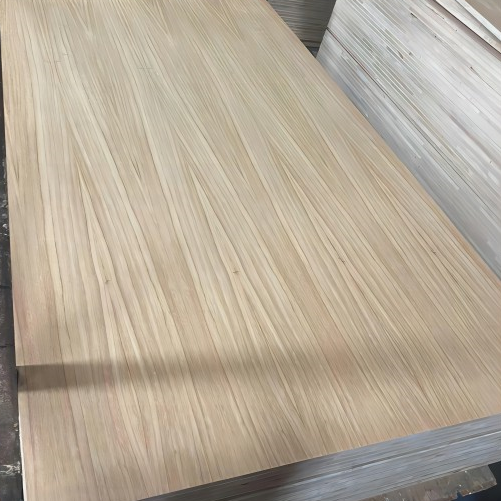
Plywood king is a title a buyer gives, not one a sign earns, and the difference shows up on the third order. A supplier becomes the go-to source through steady spec, clean stock, and support that holds after the invoice. This guide sets out the signals of a top supplier and shows how a buyer picks a partner who earns the name rather than a slogan that fades.
When a buyer calls a supplier the plywood king, the buyer means the source that comes through every time. The title rests on reliability, not on size alone, and a small supplier with a steady record can hold it just as well as a large one. The name follows the service, not the other way around.
A buyer judges a supplier on a few core traits:
Reliability names the habit of meeting the promise without a chase, and it wins more repeat business than any single low quote. A buyer who scores a supplier on reliability picks a partner who keeps the build on schedule instead of one who saves a little on the first order and costs more on the next.
Consequently, the title is earned on the floor. A supplier who meets the spec, ships on time, and stands behind the panel becomes the buyer’s default, and the default source is the one that carries the name.
The title also moves. A supplier who slips for a season loses the name to a rival who holds the spec and ships on time, so a buyer who watches the record keeps the current leader in view. The name follows the latest run of orders, not a past season. A buyer who refreshes the score keeps a true leader.
A top supplier leaves signals along the whole order, and a buyer who reads them sorts the true leader from the loud one. The signals cover the quote, the stock, the delivery, and the follow-up, and each one shows how the supplier treats a repeat buyer.
| Stage | Strong signal |
|---|---|
| Quote | Spec and price on one clear sheet |
| Stock | List matches what ships |
| Delivery | On time, packed well |
| After sale | Answers a problem fast |
In contrast, a weak supplier shows the signs early. A quote that names only a brand, a promise that the stock will arrive, and a silence after the invoice all point to a source that loses its shine on the second order. A buyer who watches those signs avoids the partner who talks big and ships small.
Furthermore, the follow-up tells the most. A supplier who answers a question after the sale, and who replaces a flawed batch without a fight, earns trust that no discount can buy. The buyer who values that support keeps the source through many orders.
As a result, read the signals across the whole order, not just the first call. A supplier who passes every stage becomes the buyer’s leader, and the title follows the record rather than the pitch.
Spec and support separate a leader from the pack, and both show in the details a buyer rarely sees on the first call. A clear spec keeps the panel the same order to order, and firm support catches the rare fault before it reaches the build.
A strong spec covers the key fields:
The spec matters because panel supply drifts. A mill changes a veneer source, a core shifts, and the panel moves under the buyer without a word. A supplier who holds the spec and reports any change protects the build, while one who lets the spec slide leaves the buyer to find the fault at the bench.
Support matters for the same reason. A buyer who can call the supplier about a thin batch, a weak bond, or a missing report, and who gets an answer the same day, keeps the job moving. That support turns a supplier into a partner and a single order into a long relationship.
Therefore, ask for the spec in writing and test the support with a small order first. A supplier who answers both earns the larger order, and the buyer who tests before the big buy avoids a costly surprise.
Keep the spec in the order file. A buyer who stores the gauge, the grade, and the bond holds the supplier to the same panel on every call, and the file settles any drift without an argument.
Price wins the first order and quality wins the rest, so a buyer who plays the long game weighs both. A low quote that hides a thin gauge or a weak bond costs more across the build, while a fair price on a steady panel saves money on labor and rework.
| Focus | Short term | Long term |
|---|---|---|
| Low price | Wins the order | Costs on rework |
| Steady quality | Fair quote | Fewer returns |
| Firm support | Small cost | Keeps the build on plan |
Consequently, the cheapest panel rarely wins the long game. A buyer who prices the panel by the finished part, not by the tag, sees that a steady sheet cuts the labor and the waste, and the fair supplier beats the cheap one across a season.
Furthermore, the relationship holds value through a tight market. A supplier who trusts a buyer to pay on time and to order the right spec often holds a steadier price when the market rises. That trust beats a hard bargain on a single order.
As a result, pick a supplier for the long run. A buyer who trades a little on price for a steady spec and firm support builds a source that carries the shop through the busy season and the tight one alike.
Track the record across the year. A buyer who notes the on-time rate, the return rate, and the price trend sees which supplier truly leads, and the record replaces the pitch with proof. That proof guides the next order and keeps the short list honest.
A leading supplier makes the buyer’s job easier, and the working habits run both ways. A clear spec from the buyer and a steady ship from the supplier build a loop that keeps the panel and the price in line across many orders.
For general construction and a workhorse carcass, Commercial Plywood gives a steady core that a supplier can repeat order to order. For interior work that shows the surface, Melamine Plywood brings a finished face with a spec a supplier can hold. For a forming job that needs a tough face, Film Faced Plywood takes the reuse and the water of a slab.
Furthermore, a buyer who orders the same spec across several gauges gives the supplier a clear pattern to plan around. That pattern cuts the lead time and the price, and it turns a set of single orders into a running account. The steady account is the whole game.
A supplier such as HYY builds the panel to the spec a buyer names and holds it across orders, so the buyer gets a source that earns the name rather than a title on a sign. That record of steadiness is what a buyer means when the buyer calls a supplier the plywood king.
The questions below come up when a buyer picks a supplier, and each has a short answer.
A steady spec, stock that matches the list, support after the sale, and a price that holds. Reliability, not size, earns the name.
No. A low quote can hide a thin gauge or a weak bond, so weigh the panel’s finished cost, not the tag alone.
Place a small order first. Check the spec, the gauge, the pack, and the follow-up before you commit to a large buy.
Panel supply drifts as mills change sources. A supplier who holds the spec and reports changes keeps the build true.
Yes. A supplier who trusts a buyer often holds a steadier price and a steadier panel through a tight market.
One habit ties the pick together. A buyer who tests with a small order, checks the spec, and keeps the record builds a short list of leaders and drops the rest. That list is worth more than any single quote.