Our Location
5th Floor, Huake Center, Lanshan District, Linyi City, Shandong Province, China

5th Floor, Huake Center, Lanshan District, Linyi City, Shandong Province, China
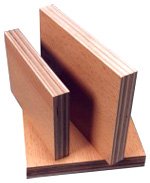
A plywood l angle is a metal bracket that holds two panels in a square corner and carries the load that the glue line alone would fail to hold. The bracket turns a weak butt joint into a solid corner that resists a racking force. This guide covers what an l angle does, which type fits a job, and how to place and fasten one for a corner that stays square.
An l angle, or angle bracket, joins two panels at a right angle and transfers the load between them. The two legs of the bracket bolt to each panel, so a pull on one board meets the resistance of the other. That transfer stops the corner from folding under a sideways load.
The bracket does a few clear jobs:
Racking names the sideways force that pushes a corner out of square, the same force a cabinet feels when a person leans on it. A butt joint resists that force poorly, because the load depends on glue and the grain. The l angle carries the load in steel instead.
Consequently, the bracket serves cabinets, shelves, and frames where the corner takes a side load. A buyer who plans those joints into the build keeps the unit square and rigid, and the small cost of the brackets saves a wobble that no finish can hide.
A buyer also plans the brackets into the drawing. A corner that carries a side load needs the bracket before the panels go together, not after, because a bracket added later fights the finish. The plan keeps the joint strong and the face clean, and a buyer who sketches the joint fits it right the first time.
Angle brackets come in a range of sizes and materials, and each one carries a different load. The buyer who matches the bracket to the job gets a corner that holds, while one who picks by look alone fits a bracket too light for the force it must take.
| Type | Strength | Typical use |
|---|---|---|
| Flat corner brace | Light | Light shelf, small frame |
| Heavy L bracket | Strong | Cabinet, bench |
| Gusset plate | Very strong | Frame, structural corner |
| Reinforced angle | Heavy | Load-bearing joint |
Next, the material sets the life. A plain steel bracket rusts in a damp spot, while a galvanized or coated bracket holds through moisture. A buyer who plans a wet or outdoor build picks the coated bracket and pays a little more for a corner that lasts.
In contrast, a heavy bracket on a light shelf adds cost and weight the job never needs, and a light bracket on a load-bearing corner fails under the first real force. The load, not the price, sets the size, so the buyer who reads the force picks the right bracket.
Furthermore, the screw holes decide the hold. A bracket with several holes spreads the load across more screws, which lifts the strength and lowers the risk of a split. A buyer who wants a strong corner counts the holes before the order.
The placement and the screws decide how well the bracket works, and a corner fails when the crew fits the bracket in the wrong spot or with the wrong screw. A clear placement and a full set of screws give the joint the strength the bracket promises.
A solid sequence keeps the corner true:
Pilot holes matter on plywood because the panel can split near a core void. A pilot hole a shade under the screw size lets the screw bite without a split, and a small clearance hole on the bracket leg lets the panels pull tight. That pair of holes lifts the hold without a crack.
In contrast, a bracket set away from the corner or fitted with too few screws carries only part of the load. The bracket needs to sit flush to both faces so the two legs share the force, and the screws need to reach the solid core rather than the soft edge.
Next, clamp the joint while the glue sets. A clamp holds the panels square and takes the load off the screws during the cure, which keeps the corner from shifting. The bracket and the clamp work together to lock a straight, strong joint.
The l angle joins a set of corner methods, and each one suits a different build. A buyer who knows the trade-offs picks the method that fits the load, the look, and the speed of the job.
| Method | Strength | Best for |
|---|---|---|
| Butt joint with glue | Low | Light, hidden corners |
| L angle bracket | Medium to high | Fast, strong corners |
| Dado and glue | High | Clean, visible work |
| Biscuit and glue | Medium | Aligned panels |
In contrast, a dado joint hides the connection inside the panel and gives a clean look, while the l angle shows a metal leg unless the buyer buries it. A buyer who wants a hidden corner uses a dado, and one who wants speed uses the bracket.
Furthermore, the methods combine. A buyer can cut a dado for the look and add an l angle for the strength, which gives a clean face and a rigid corner at the same time. The pair covers both needs without a compromise.
Therefore, match the method to the job. A light shelf takes the butt joint, a cabinet takes the l angle or the dado, and a structural frame takes the gusset. The load and the look decide the pick.
Cost matters too. A dado takes more shop time than a bracket, while a gusset costs more in steel, so the buyer who weighs time, steel, and finish picks the method that fits the budget as well as the load. The cheapest method is the one the job needs.
A straight, strong corner follows from a good panel, a square cut, and the right bracket. The buyer who starts with a true sheet and a clean edge gets a corner that sits square before the bracket goes on, and the bracket then holds what the cut already set.
For general construction and a workhorse carcass, Commercial Plywood gives a steady core that holds a screw and a bracket. For a cabinet that shows the face, Melamine Plywood brings a finished surface and a solid core for the joint. For a light internal part or a hidden panel, Chip Board covers the job at a low cost.
Furthermore, check the panel edge before the bracket. A soft or voided edge grabs a screw poorly, so the buyer who wants a strong corner keeps the bracket back from the edge or adds a solid block behind it. That small step protects the joint from a split at the load.
A supplier such as HYY builds panels with a solid core that takes a bracket and a screw without a split, so the corner holds the load the build demands. A buyer who pairs a good panel with the right l angle gets a corner that stays square for the life of the unit.
One habit ties the joint together. A buyer who dry-fits the corner, checks the square, and seats the bracket flush builds a joint that holds from the first load. That habit, not the bracket alone, keeps the corner true. A square dry-fit is half the strength.
The questions below come up on the bench, and each has a short answer.
It joins two panels at a corner and carries a racking load. The bracket keeps the corner square and strong where a butt joint is weak.
Match the size to the load. A light shelf takes a small brace, and a cabinet or bench takes a heavy bracket.
Yes. Glue adds stiffness, and the bracket adds strength. Use both for a corner that stays square.
Yes. Plywood can split near a core void, so a pilot hole a shade under the screw size protects the joint.
Fill every hole when you can. More screws spread the load and lower the risk of a split at the corner.