Our Location
5th Floor, Huake Center, Lanshan District, Linyi City, Shandong Province, China

5th Floor, Huake Center, Lanshan District, Linyi City, Shandong Province, China
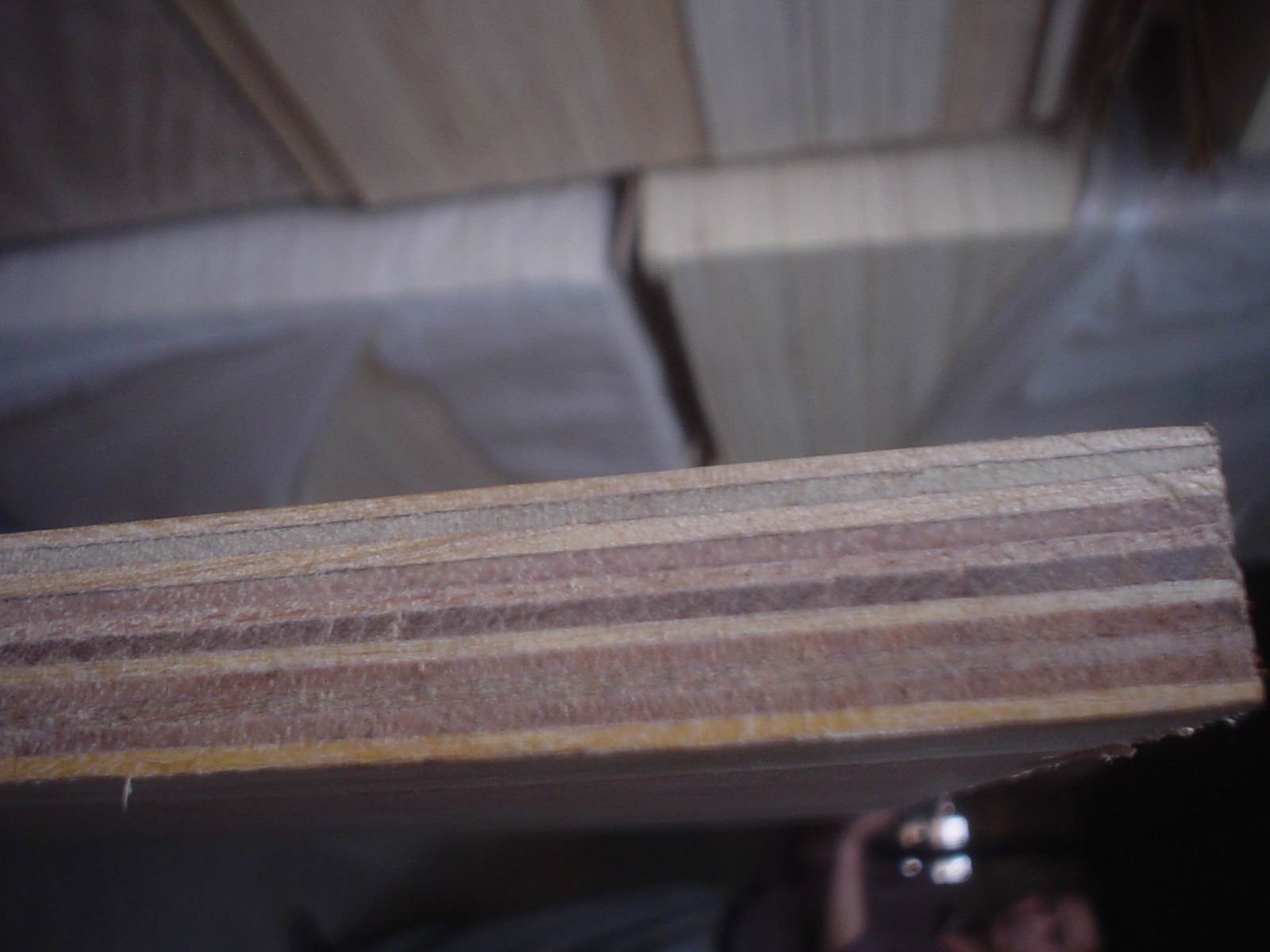
Plywood kindling turns the clean offcuts from a panel job into a fast fire starter, and a shop that cuts panels every week throws away a steady supply. Not every scrap belongs in the fire, because glue and treatment change how a board burns. This guide covers which offcuts are safe, how to cut and split them, and how to store the bundle so it lights on the first match.
Plywood kindling names the small, dry sticks a shop makes from panel offcuts to start a fire. The thin strips catch fast because the wood is dry and the pieces are small, which lets them bridge the gap between a match and a full log. A tidy bundle of clean scraps saves the cost of store-bought kindling and puts the waste pile to work.
A scrap qualifies as kindling when it meets a few simple tests:
A glued panel burns differently from a solid board because the resin between the layers adds fuel that a plain wood stick does not carry. A buyer who keeps the scraps clean and dry gets a usable bundle, while one who mixes in treated or coated pieces trades a fast fire for a dirty one.
Consequently, the value of the bundle rests on the source. A shop that tracks where each offcut came from keeps the safe pieces apart from the treated ones, and the fire gets clean fuel without a risk the crew did not plan for.
Sort at the saw, not at the stove. A shop that keeps a clean bin beside the panel saw captures the offcuts before they mix with treated waste, and the bundle stays safe without a second pass. That one habit decides the quality of every fire the shop lights. A clean bin pays for itself in a week.
The safety of the bundle turns on the board the scrap came from, not the size of the piece. A plain interior panel leaves a clean offcut, while a treated, coated, or bonded panel leaves one that belongs in the bin. The buyer who sorts the scraps at the saw keeps the bundle safe.
| Panel type | Offcut for fire |
|---|---|
| Plain interior plywood | Yes, if clean and dry |
| Exterior or marine panel | Caution, strong resin |
| Fire-retardant panel | No, treated wood |
| Coated or painted board | No, finish fumes |
| Particle and MDF board | No, heavy binder |
In contrast, a fire-retardant panel carries a chemical that slows the flame, and burning it releases fumes the shop should avoid. A coated board adds a finish that smolders and smells, so the buyer who keeps those scraps out of the fire protects both the air and the stove.
Furthermore, check the local rule. Some areas limit what a shop may burn, and a buyer who checks the rule before the first fire stays clear of a fine. When in doubt, leave the scrap out of the bundle and use only clean, untreated offcuts.
As a result, sort at the source. A pair of bins at the panel saw, one for clean offcuts and one for treated waste, keeps the two apart without a second pass and protects the value of the kindling bundle.
The cut decides how fast the bundle lights, and a thin strip beats a thick block every time. A buyer who rips the offcuts into narrow sticks makes a bundle that catches on the first match, while one who leaves the pieces thick fights the fire with damp edges.
A simple sequence turns a pile into kindling:
The thin strip works because it exposes more surface to the flame and dries through faster than a thick block. A buyer who runs the scrap through a saw for one more cut turns a slow starter into a fast one, and the extra minute at the bench pays back at the fire.
In contrast, a thick block of glued panel resists the flame and smolders for a while before it burns. The buyer who wants a quick fire keeps the strips thin and lets the larger offcuts go to a different use or the bin. Size, not the panel alone, decides how the bundle behaves.
Next, keep the cut clean. A rough end from a dull blade splinters and packs the bundle loose, while a clean strip stacks tight and lights even. A sharp blade and a steady feed give the bundle the shape it needs.
Dry wood lights and damp wood will not, so storage decides whether the bundle keeps its value. A buyer who leaves the kindling in a damp corner loses the work to mold and moisture, while one who stores it dry keeps the bundle ready for months.
Good storage rests on a few rules:
Off the floor, the bundle dodges the damp that rises from a concrete slab. A cover on top keeps the rain and the drips away, while open sides let air move through and drop the moisture that a sealed box traps. That balance keeps the wood dry without sealing it in.
Furthermore, rotate the stock. A buyer who uses the oldest bundle first keeps the pile fresh and avoids a pile of moldy sticks at the back. The rotation also shows how fast the shop builds the supply, which guides the sort at the saw.
Consequently, a small dry store beats a large damp pile. A buyer who builds the kindling in small batches and stores each one dry keeps a steady supply that lights on demand, and the shop never runs short on a cold morning.
Label the bundles by date. A buyer who marks each bundle with the cut date uses the oldest first and keeps the rotation on track, and the label shows how fast the shop builds the supply. That simple mark turns a pile into a managed store.
Plywood kindling puts the waste pile to work, and the gain shows in two places: a lower fuel cost and a cleaner shop. A buyer who plans the sort and the cut turns a leftover into a useful bundle instead of a bin full of mixed waste.
For panel work that leaves clean offcuts, Commercial Plywood gives a plain, untreated board that cuts into tidy strips. For a light internal part, Chip Board covers the job at a low cost, though its binder keeps the offcut out of the fire. For a smooth, sealed interior part, MDF Board offers a flat face at a fair figure, and its offcuts also stay out of the bundle.
Furthermore, keep the sorted bins beside the saw. A buyer who sorts at the cut saves the second pass and keeps the clean wood apart from the treated pieces, and the bundle stays safe without extra effort. That habit turns a chore into a routine.
A supplier such as HYY ships clean, plain panels that leave offcuts a shop can use or burn with confidence. A buyer who chooses plain boards for the burn pile and reserves the treated and coated boards for other use makes the most of every sheet.
The questions below come up on the shop floor, and each has a short answer.
Plain, untreated, clean offcuts burn well and dry. Treated, coated, or heavily bonded boards release fumes and belong in the bin.
The resin between the layers adds fuel and can release fumes. Keep the bundle to clean, untreated wood to stay safe.
Thin strips light faster than thick blocks. Rip clean offcuts into narrow sticks and cut them to a short length.
Keep it off the floor, cover the top, leave the sides open, and use the oldest bundle first to keep the pile dry and fresh.
No. A coating or a fire-retardant treatment releases fumes, so keep those scraps out of the fire and check your local rule.
One habit ties the guide together. A buyer who sorts clean offcuts, cuts them thin, stores them dry, and checks the board type builds a bundle that lights fast and burns clean. That routine turns a waste pile into a supply the shop can count on.