Our Location
5th Floor, Huake Center, Lanshan District, Linyi City, Shandong Province, China

5th Floor, Huake Center, Lanshan District, Linyi City, Shandong Province, China
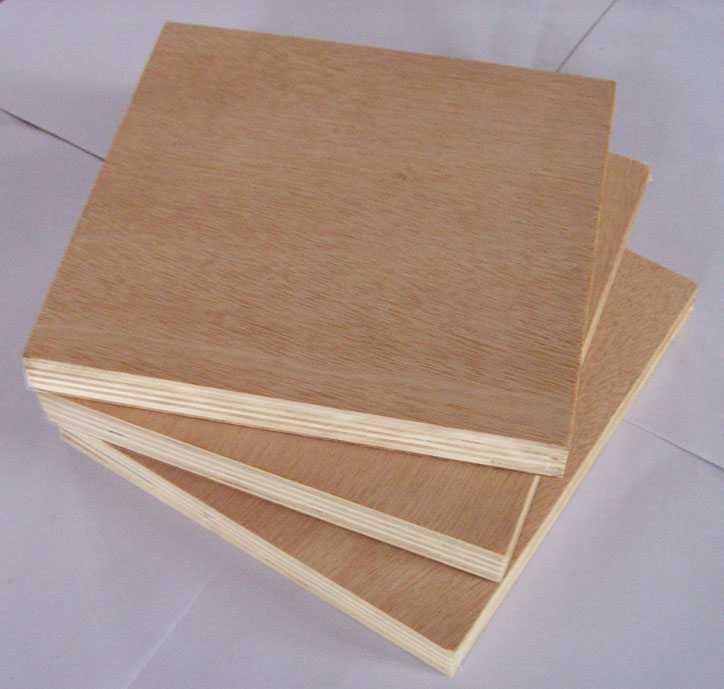
A near me plywood shop search usually comes from a builder who needs sheets today, but a close location alone does not make a good source. The shop that helps you most stocks the right grades, cuts to tolerance, and delivers on time. This guide lists what a well-run board shop should offer and how to test it on your first visit.
Spend twenty minutes inspecting the shop before you spend money, and the routine pays for itself in waste avoided.
A serious board shop runs a defined range rather than a random pile. Look for a mix of panel types, a spread of thicknesses, and at least a couple of recognized brands, because variety signals a supplier who buys from mills instead of reselling leftovers.
The shop that serves professionals also carries the sheets you actually build with. Interior carcass panels, moisture-resistant boards for kitchens, smooth-faced panels for doors, and coated boards for wet areas cover the common spectrum of a working job site.
Consequently, the stock list itself tells you about the shop. A yard with an organized range prices fairly and cuts cleanly, while a cluttered pile usually sells whatever moves fastest.
Furthermore, check whether the shop carries the same brands week after week. Consistent supply means the shop holds warehouse stock, not a one-time leftover that disappears by your next order.
Range quality matters more than range size. A shop that stocks three steady brands and four thicknesses serves a builder better than a yard that carries thirty odd re-sells and cannot repeat a single product line next week.
A true board shop also separates itself from a hardware counter by depth. It can name the difference between an MR interior panel and a phenolic exterior board, and it stocks both, which is the practical definition a builder should apply.
Board shops price by sheet, by square metre, or by cut piece, and each method changes how you compare offers. Ask the price list format and convert everything to a delivered per-square-metre number before you judge.
The pricing table below shows the three common retail formats and the hidden cost in each. Read them all the same way and the shop’s real price appears.
| Pricing format | How it reads | Hidden cost to check |
|---|---|---|
| Per full sheet | Price for 2440x1220mm or 8×4 | Does it include tax and cutting? |
| Per square metre | Unit price of the face area | Does it match the sheet size exactly? |
| Per cut piece | Price for cut-to-size panels | What tolerance and what waste? |
As a result, a per-cut-piece quote that looks expensive can beat a per-sheet quote once waste and saw time are counted. The shop that cuts precisely saves the builder real money even at a higher unit price.
In contrast, a shop that charges per piece without a cutting diagram leaves the waste on your side. Confirm the expected offcut policy before you approve a cutting list.
Watch for add-on charges as well. Loading, cutting, delivery, and a minimum-order fee each appear on some invoices, so ask for a complete price including extras before you approve the number on the quote.
Cut-to-size service is a shop’s most useful feature, and the tolerance decides whether the pieces fit the cabinet. A good shop states its tolerance in millimetres and hits it with a straight, chip-free edge.
Ask for a test cut on your first order. Measure the result with a tape, check the edge for tear-out, and compare the piece against the drawing before you schedule a full cutting list.
Furthermore, confirm what the shop does with the offcuts. Returning the waste or crediting it changes the effective price, and a shop that keeps every offcut without saying so prices its cutting service with your material.
Finally, test a cutting list with repeats. The shop that produces two identical shelves from two sheets demonstrates the tolerance your cabinets depend on far better than a shop that never tries.
Keep the approved test piece until the order arrives. Comparing the delivered panels against the cut on the day of delivery settles any tolerance argument before the pieces meet a router.
Timing the cutting is part of the test too. A shop that quotes a same-day turn proves its workflow, while one that pushes every list to next week prices the service with your downtime.
Every buyer works from either a sheet list or a budget, and a good shop handles both. Handing over a sheet list tests the stock; handing over a budget tests the shop’s willingness to fit the job to the money.
With a sheet list, the shop matches stock, confirms thickness and bond class, and quotes the total. With a budget, the shop proposes a substitution strategy rather than silently swapping grades, because a lower-price board changes what the finished job can handle.
Moreover, confirm the return policy before you buy. Slight grading tolerances are normal, but a shop that refuses any adjustment on a visibly bowed sheet leaves the risk with you.
Ask the shop how it handles a spotted defect after checkout. The best shops replace a visibly damaged sheet without argument, and the policy reveals the real service level faster than the banner at the entrance.
Set the substitution rule before the order as well. If the shop must replace one board with another, the buyer who specifies the same bond class, the same thickness, and a call before swapping keeps control of the finished job.
Is it cheaper to buy at a plywood shop than online? Usually for single sheets and small lots, because the shop skips per-order freight. Compare the delivered cost per sheet rather than the sticker price.
Can a shop match a larger yard’s quality? Yes, when it buys direct from recognized mills and stores panels flat and dry. Judge the stock and the paperwork, not the size of the building.
Do shops deliver panels or only sell over the counter? Many deliver locally, and own-truck delivery usually handles panels more carefully than hired freight. Confirm the delivery window and the stacking method you need.
Should you buy bargain seconds from a shop? Only for non-structural work where a patch or a discolor does not matter. Ask what makes the sheet a second, because the answer reveals whether it is a true dollar-saving deal.
Do board shops match online product specifications? Only when the label matches. Ask for the printed grade and standard on the physical sheet, because a shop’s verbal description and the manufacturer’s print occasionally disagree.
Is it worth paying more for a shop with a cutting service? For most builders, yes, when the tolerance is millimetric and the offcuts stay with the buyer, because the saving in saw time and material waste beats the small unit premium.
Do shops hold stock for regular buyers? Many reserve a pallet or a cutting slot for steady accounts, which protects against the rush that empties the public shelf, so ask about holding arrangements once the relationship matures.
Turn a good shop into a routine source by standardizing the list you bring. Keep the sizes, grades, and cutting patterns your jobs use on a single sheet, and the shop fills it faster every order.
Review the relationship twice a year on price, stock, and delivery accuracy. The shop that survives the review becomes the yard you call first when a deadline tightens.
Negotiate a steady account once the volume grows. Regular buyers can earn a fixed price list, priority cutting slots, and a named contact who knows the job sizes, all of which shorten procurement time on every order.
Standardize the quality gate at the counter as well. Agree that each delivery gets checked for bow, edge damage, and thickness before it leaves the shop, and the gate moves mistakes back to the yard where they stay cheap to fix.
Across the product mix, the same judgment applies. Commercial Plywood anchors most interior framing, while MDF Board gives a paint-stable surface for smooth panels and Melamine Plywood covers finished cabinet faces without extra lamination.
A heavier, moisture-hardened option such as Film Faced Plywood suits coated shelving and wet rooms where a bare face fails fast.
A documented import range such as the one HYY supplies gives a shop proven grades and clear specs, so the near me plywood shop answers with stock that matches the catalogue.
Inspect the stock, test the cuts, and confirm the delivered price, and the nearest shop becomes your best shop.