Our Location
5th Floor, Huake Center, Lanshan District, Linyi City, Shandong Province, China

5th Floor, Huake Center, Lanshan District, Linyi City, Shandong Province, China
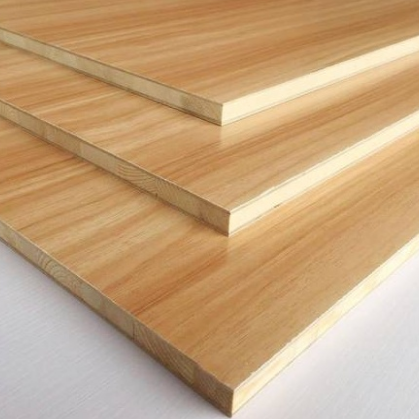
Jay plywood khamgaon sheets come from a town that has built its name on panel manufacture, and the supply belt around it loads trucks with branded and unbranded panels alike. The brand shortens your list of candidates; the grade stamp and the physical checks still decide the purchase. This guide covers sourcing, moisture risk, and the contract routine that keeps a khamgaon order consistent.
Buying in the manufacturing belt earns a price edge, but the edge survives only for buyers who check the lot before the truck leaves the gate. The inspection schedule costs half a day; a mismatched delivery costs the whole season.
Khamgaon hosts a dense cluster of plywood producers, veneer plants, and traders, so buyers can compare multiple lots in one trip. The concentration keeps lead times short and gives the buyer the rare chance to watch the maker load the truck.
The belt also moves a lot of sheet in and out, which means the same brand can reach different yards from different production runs. A buyer who orders by brand alone can receive two lots with different faces and edges.
Prices at the belt respond to the veneer market, so quotes move faster here than in city yards. A buyer who books the spec with the mill locks the price before the next timber auction shifts the figure. Regular buyers also learn the rhythm: quotes climb when veneer prices climb, so a buyer who monitors the auctions times orders to the flat weeks.
As a result, name the production batch, not just the brand, on the order. Then the delivery matches the lot you inspected.
The town’s own yards also hold stock bought speculatively, so a counter can sell last season’s sheets at a discount. Check the delivery date and the batch code before letting the price do the talking. A cheap sheet with an aging stamp still carries last season’s moisture story.
The verification routine survives every market, and Khamgaon is no exception. Read the stamp, test the sheet, and keep the paper.
And inspect the pack in daylight. Fluorescent shop light flatters faces, while daylight shows patches and grain honestly before the sheet reaches the site.
The belt rewards the buyer who inspects before the loading ramp moves. A sheet that flunks the boil test at the gate never reaches the site, and the swap happens at the mill rather than at the customer’s doorstep.
The boil test carries the heaviest weight. A sample that holds together after boiling supports the stamp, while one that opens under heat condemns the lot regardless of the brand that printed the label.
Furthermore, check the core at the edge. The veneer color, the glue line, and the gap between plies tell a mill story that no face finish can hide.
Also read the end trim. Clean end cuts suggest a mill that dresses its packs properly, while ragged ends hint at rushed handling that stresses the outer plies before the sheet reaches the buyer. The trim also reveals the glue color, a fast check that separates a phenolic line from a urea line at a glance.
The bond class drives the price, and the core construction drives the performance. Two sheets with the same label can behave differently when one carries a dense hardwood core and the other a soft, low-density core.
Soft cores screw poorly, hold fasteners weakly, and sag under load. Dense cores hold screws and stay flat, which matters on shelves, tables, and structural panels where the fastener carries the weight.
The ply count changes the same sheet too. A thicker core with more plies distributes load better, while a thin, sparse core flexes under the first heavy shelf.
| Core | Behavior | Best for |
|---|---|---|
| Dense hardwood | Strong grip, stays flat | Shelves, tables, structural parts |
| Softwood | Light, moderate grip | Panels and light furniture |
| Mixed repair | Inconsistent | Cheap general use only |
Consequently, ask the weight per sheet and the core species before you price the job. A light sheet at a low price rarely equals the heavy sheet at a fair price once the screws go in.
The weight check also exposes mixed cores in one delivery. When half the pack runs heavy and half runs light, the mill mixed grades into one lot, and the buyer should reject the lot or price it down accordingly.
The screw-hold check takes seconds on a scrap. Drive a screw into the edge of a sample sheet; the grip tells you whether the core will hold a hinge or a bracket for years.
Maharashtra swings between dry heat and monsoon humidity, and the moisture loads the panel edges before it touches the face. Edge swelling, delamination, and warping begin at the glue line where the plies meet water.
The damp spells punish the wrong bond class quickly. An MR board in a ventilated shell may fail inside a year, while a BWR or BWP sheet holds its edges through the same season.
The humid weeks also raise the moisture content of every board in open storage. A sheet delivered at high moisture moves and twists as it dries, so the buyer should meter the load at arrival and record the reading.
Furthermore, store sheets flat on bearers with spacer strips under the pack. A damaged edge at the warehouse becomes a returned sheet at the site, and the return eats the price advantage of buying at the belt.
Plan the delivery around the weather as well. A truck that sits overnight in rain loads a different product than one that unloads the same afternoon, so tie the dispatch to the forecast when the season turns.
Also calibrate the storage to the season. Summer loads dry in a week, monsoon loads need the same period under shelter, so the site layout should answer the calendar rather than the habit.
Local belt supply wins on lead time and surveillance. Export supply wins on documented control and a fixed spec that repeats every month. The buyer with a monthly load often blends both instead of choosing one.
For repeated orders, the export line turns the spec into a contract. Interior carcasses compare against Commercial Plywood, smooth kitchen surfaces against Melamine Plywood, and outdoor and formwork panels against Film Faced Plywood under the same boil-test checklist.
As a result, keep one reference sample from the best lot you receive. Every future delivery, local or import, holds against that sample, and the comparison cost stays near zero.
The blend also spreads risk across seasons. When the monsoon blocks one route, the other supply keeps the site working, so a dual-source buyer rarely waits for a single truck.
Volume buyers also compare the landed cost per sheet, not the price per sheet. Freight, insurance, and handling tip the balance between the belt and the port more often than the sticker does.
Write the order routine once and repeat it every time. Name the batch, the bond class, the thickness tolerance, the face grade, and the test evidence that must travel with the delivery.
Request a pre-order sample from the current production run, not a dated showroom sample. Compare it against the loading lot, hold the invoice to the spec, and file the delivery documents with the order.
Finally, set the dispute rule before the first delivery. Name the test that ends a disagreement, whether it is the boil test, the hot-water dip, or the corner thickness, so the conversation stays on facts rather than opinions.
Treat the sample as a permanent record as well. Date it, keep it dry, and store it away from the job, so the reference for next season’s order stays clean.
Buyers who want a documented panel range can weigh the belt offer against the import line from HYY, which prints the standard reference on delivery paperwork. A passing boil test, a dense core, and a written spec beat a familiar name every time the monsoon arrives.
The routine repeats each order: name the batch, test the sample, file the documents, and store one reference sheet. Mill owners answer to buyers who keep that folder in order. The habit takes minutes each month and buys consistent panels for years.