Our Location
5th Floor, Huake Center, Lanshan District, Linyi City, Shandong Province, China

5th Floor, Huake Center, Lanshan District, Linyi City, Shandong Province, China
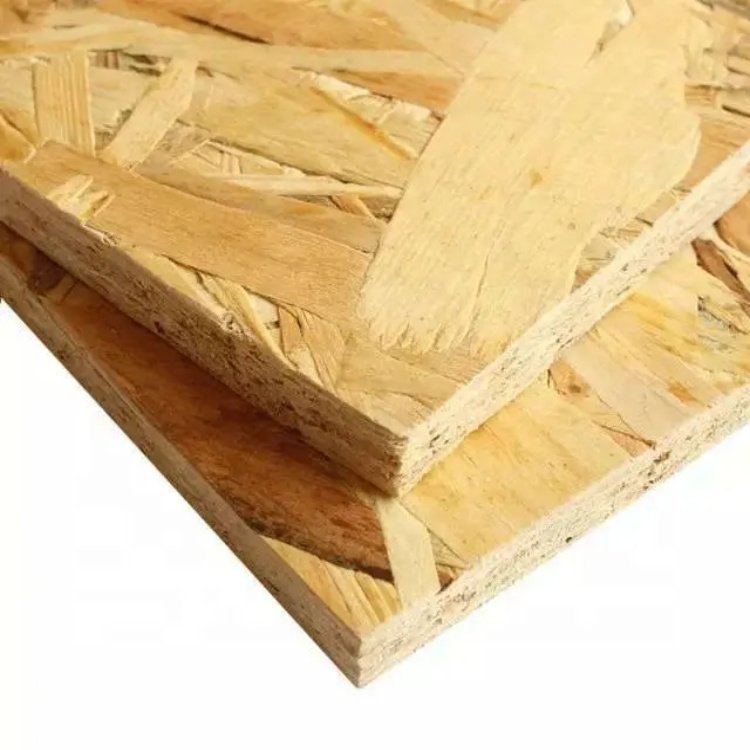
Jay plywood amritsar stock sits alongside dozens of sheets in the city’s timber yards, and the local market moves fast on price and reputation. The brand name narrows the choice, yet the grade stamp still decides whether the sheet survives a Punjab winter. This guide covers how to read amritsar plywood offers, verify the sheet at the yard, and order with the right paperwork.
The city’s yards stock deep inventories, which helps the buyer who inspects and hurts the buyer who assumes. The checks below take minutes. The market also rewards repeat buyers, because the counter that knows your checklist answers more honestly than one meeting a stranger.
Amritsar trades plywood through dense dealer yards and wholesale depots, where the same sheet can carry different claims at different counters. The market rewards comparison, because the price spread between counters often reflects the lot quality more than the margin.
Dealers in the area reorder fast, which keeps stock rotation healthy. Fresh sheets arrive flat and true, while a sheet that has waited weeks on a damp floor develops a warp that no discount compensates.
The yards also quote in different units, so convert every price to the per-sheet figure before comparing counters. A per-square-foot sticker and a per-sheet quote hide the real difference until the bill arrives.
Wholesale belts near the siding move full truck loads overnight, while retail counters sell single sheets to the same spec. The buyer’s route depends on the order size, yet the inspection rules do not change with the route. A one-sheet counter and a truck-load depot sell the same standard; the difference is the margin, not the grade.
As a result, ask the dealer which lot you are buying from and check the delivery date on the invoice. A recent lot with a clean stamp beats an old lot with a friendly price.
The verification routine stays the same everywhere, and Amritsar is no exception. Read the stamp, then test the sheet.
Count the sheets against the delivery before any test as well. A short load discovered at the site becomes a dispute; one discovered at the counter becomes a pencil correction.
The boil test settles the BWP claim, and the hot-water dip settles the BWR claim. Run both on a small corner sample, because the sheet’s own edges show the bonding quality better than the glossy face.
Watch the sheet edges for water stains as well. A tidy stack face and a stained edge tell two different stories, and the edge story usually wins the argument.
Furthermore, unstack the pack and check the middle sheets. A dealer who refuses to break the stack is selling the top sheet with the stack as the real lot.
The moisture meter adds a second opinion when the dealer has one. A reading below the standard line protects both sides, because it tests the sheet rather than the seller’s story.
Finally, bring a straight edge and a flat reference floor. A sheet that rocks on level concrete has twisted in storage, and no discount on the sticker fixes a sheet that will not lie flat on the assembly table. The straight-edge check also catches the cup that the eye accepts as normal but the joinery later rejects.
North India swings between dry summers and damp winters, and the humidity moves into every room. An MR board that works fine in a desert showroom swells near a bathroom or a kitchen sink, so the bond class must match the room, not the budget.
BWR handles the wet zones of a home, while BWP covers balconies, gates, and anything that sees weather. The price gap between the classes buys measured protection instead of guesswork.
Kitchen carcasses, cabinet boxes, and counter framework face the longest moisture exposure of any panel in a Punjab home, so the BWR line earns its place in every wet-room quote before paint or laminate enters the picture.
Consequently, list the moisture exposure of each panel before you quote the job. The sheet that saves money in the hall costs money in the bathroom when the wrong class fails at the glue line.
The monsoon months also test the edges before installation. Sealed edges, raised storage, and a fast schedule from delivery to the workbench protect the sheet while the bond class does its part underneath.
Proper framing supports the panel’s work too. Vents behind panels, sealed edges, and a gap under the baseboard keep the wood dry regardless of the class printed on the face.
The yards move the standard thicknesses: 6mm for backs and light panels, 12mm for furniture carcasses, and 18mm to 19mm for shelves, tables, and load-bearing parts. Face grades follow the finishing plan, from sanded surfaces ready for laminate to rough backs that disappear in the carcass.
The face grade completes the picture. A smooth sanded face takes laminate and polish evenly, while a rough face adds labor before the decor starts, so the finish plan should select the face grade together with the budget.
The thickness reading deserves the micrometer because the nominal size printed on the label does not guarantee the edge. A sheet sold as 18mm that measures 17.2mm at the corner changes the joinery plan and the fitting tolerance.
As a result, buy the thickness you measure, not the thickness you assume. A quick check on four sheets tells you whether the lot runs true.
Compare the invoice thickness with the measured one across the whole pack as well, because a single measured sheet proves nothing about the forty behind it in the stack.
Also confirm the sheet size against the cutting plan. A panel sized for the room avoids the offcut that turns a budget sheet into an expensive one. Order the stock sizes the joinery actually uses, so the yard discount never becomes a cutting yard’s profit.
Contract orders change the math. Local yards offer fast supply for small jobs, while regular loads reward a documented import line that delivers the same spec every time.
| Factor | Local yard stock | Import line |
|---|---|---|
| Delivery | Same day | Scheduled by container |
| Spec control | Lot by lot | Per batch certificate |
| Face consistency | Varies | Controlled |
| Volume price | Small orders win | Full loads win |
Cladding and partition jobs in the Punjab region frequently run against Commercial Plywood from an export mill, while kitchens read Melamine Plywood against the BWR checklist and outdoor panels compare with Film Faced Plywood.
Full-load buyers also factor the freight. The local yard’s truck arrives within the day, while the import line arrives on a booking date, so the schedule joins the price in the final decision.
The import comparison also includes the spare-lot lead time. When a job needs six more sheets next week, the local yard covers it while the container waits for a sailing date.
Furthermore, keep one sample from the first delivery. Every later lot compares against it, and the comparison costs minutes rather than money.
The sample also anchors the moisture conversation. When a later delivery fails the boil test, the stored sample gives the buyer a clean reference that no verbal description can replace.
A bulk buy deserves a sample, a test certificate, and a written spec before the first truck leaves. The sample confirms the face, the edges, and the weight that the invoice claims.
Request the bond-class test report with the order, not after it. A supplier who can produce the document at negotiation time will produce it at claim time too.
Confirm the grade language on the delivery note matches the negotiation language as well. An MR order written as BWR arrives as a different sheet, and the invoice catches the mismatch before the truck unloads.
Also schedule the sample inspection twice: once at the yard and once at arrival. Two points of evidence give a later claim a clean trail to follow.
Finally, write the acceptance rule into the order. If the sheet must pass a boil test and a corner-thickness band, say so in the document, and keep the agreed rule with the sample for the whole season.
With a documented panel range from HYY, the standard reference travels with the delivery, so the amritsar buyer can compare the local offer against a fixed import spec before committing. Loan away the guesswork, and the brand name and the grade stamp start agreeing with each other.