Our Location
5th Floor, Huake Center, Lanshan District, Linyi City, Shandong Province, China

5th Floor, Huake Center, Lanshan District, Linyi City, Shandong Province, China
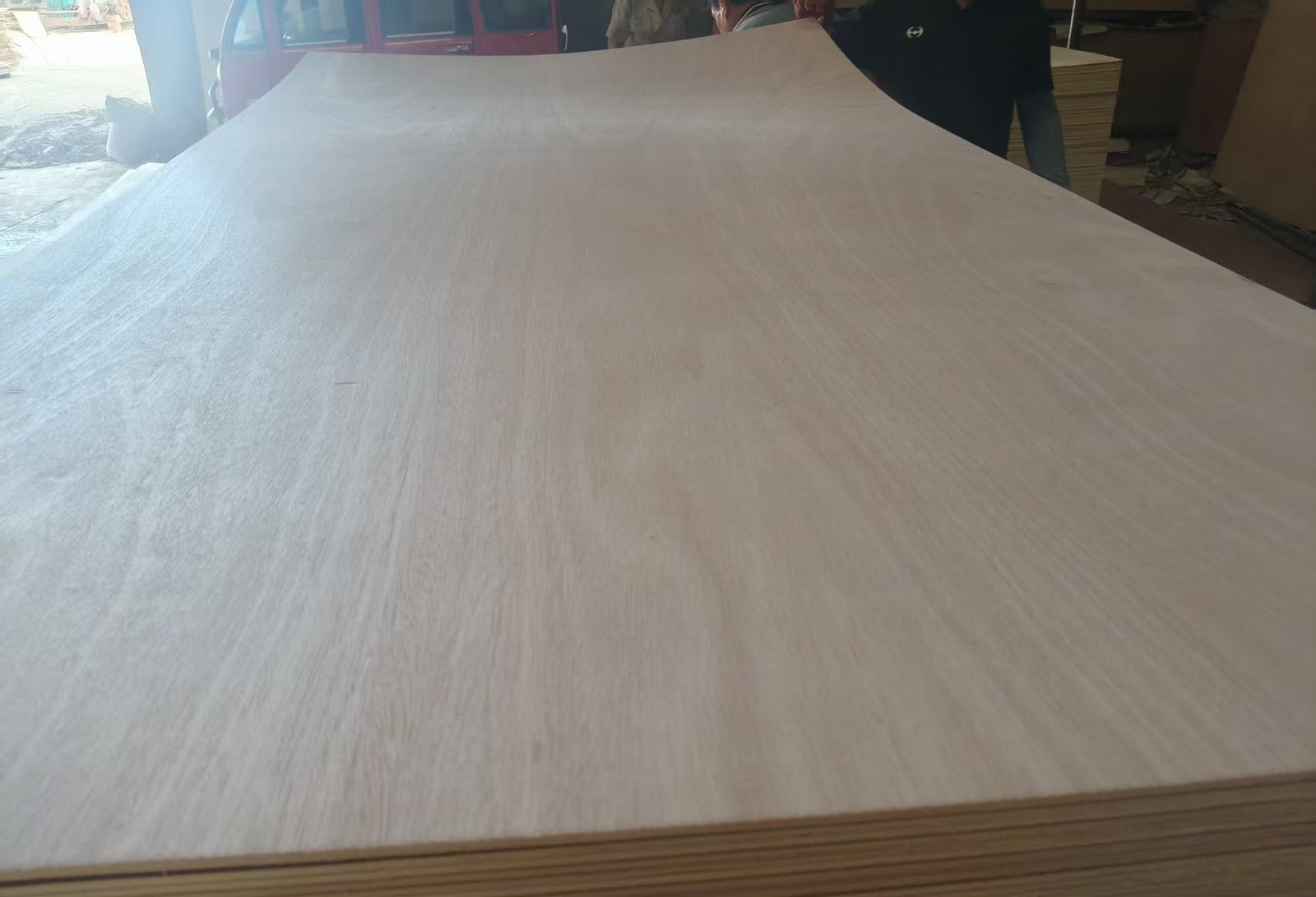
Jay plywood chikhli stock comes from one of the country’s busiest plywood belts, where mills cluster around the town and trucks load the same lanes every day. The label on the sheet tells you the maker intends, and the inspection tells you what the sheet delivers. This guide explains how to read mill-belt labels, check sheets before payment, and weigh factory prices against import lines.
Buying near the source brings a price advantage, but the advantage grows only when the buyer checks the lot before the truck pulls out. A sheet inspected at the gate costs the same as one inspected at the site; the timing decides who pays for the mistake.
Chikhli sits in a manufacturing cluster where plywood mills, veneer yards, and adhesive suppliers operate within a short radius. The density of the supply chain keeps handling short and stock fresh, which is why trade buyers travel here for regular lots.
Short transport works in the buyer’s favor. A sheet that leaves a mill and arrives at a yard the same day stays flat, while a sheet that crosses several states spends nights stacked in damp trucks.
As a result, mill-belt buying lets the buyer check the batch at the source, where the maker answers for the lot face to face. That advantage disappears if the buyer accepts the same verbal promise they would accept anywhere else.
The cluster also attracts traders who carry stock between mills, so the same sheet can surface at two counters under two different names. The stamp and the batch code resolve the confusion before any payment.
The trade also teaches the loading habit. Buyers who photograph the batch code, the stack, and the truck before departure leave the belt with a record that settles half the arguments later.
A sheet leaving a mill-belt factory should carry the same evidence as any sheet: the standard reference, the bond class, the thickness, and the maker’s mark. The label is the contract, and the buyer reads it before the debate starts.
Check the label placement as well. A stamp on the face edge survives handling, while a label printed on the end grain disappears after the first cut, so the buyer should note where the mark lives before the shed breaks the pack.
Also note whether the sheet carries the maker’s brand and an outside brand together. Resellers rebrand mill stock, which is legal but should still match the mill’s own grade mark on the edge.
Look for the bond class in plain print. MR suits indoor furniture, BWR covers kitchens and bathrooms, and BWP handles outdoor and structural exposure. The class sets the glue, the price, and the service life.
Mill-belt buyers can also ask for the same report in the maker’s own format. A mill that keeps its in-house test records can usually hand over the batch sheet in minutes, which separates a real factory from a finishing shop.
Furthermore, check the delivery batch code. Dedicated mills stamp the lot, which lets the buyer trace a failure back to a production run instead of hearing a blanket denial.
The batch code also stabilizes pricing. A mill that knows its runs and rejects can quote a fixed spec, while a shop that blends lots quotes a lottery price that moves with every truck. The discipline shows in the ledger long before it shows in the panel.
At a mill, the buyer trades the protection of distance for the power of presence. Use that power on the line that matters most.
Time the inspection to the loading window rather than the showroom glance. A sheet checked while the truck waits gives the buyer leverage, because the mill would rather swap one panel than lose a full load over it.
And test one sheet per stack, not one sheet per truck. A single fast sample tells the truth about one panel, while one per stack tells the truth about the mill’s week. Keep a small record sheet of each reading, and the pattern across stacks protects the next order before it loads.
The boil test is non-negotiable for outdoor claims. A sheet that separates after boiling cannot hold the BWP label regardless of the sticker, and the test takes less time than a tea break.
Furthermore, ask how the mill handles sapwood and edge defects. A process that sorts hard delivers a consistent product; a process that mixes delivers whatever the hand reaches. The sorting habit shows up in weights and edges across a full truck.
Factory pricing removes dealer markup, yet it adds freight, loading, and paperwork. The real question is not which price looks lower, but which total cost holds once the sheet lands at the site.
A mill-belt purchase wins when the buyer orders full loads and inspects on the spot. Small orders and distant sites often pay less through a local dealer, because the handling and freight cost the same either way.
Loading and unloading labor deserves its own line in the total. A truck-load deal that skips the unloading quote often adds the same cost back at the site, so the buyer should price both ends of the trip.
| Purchase route | Best for | Watch out for |
|---|---|---|
| Direct from mill | Full loads, regular supply | Handling and freight |
| Dealer yard | Small jobs, fast supply | Top-sheet selling |
| Import line | Documented fixed spec | Lead time |
As a result, match the route to the order size, and let the inspection decide which route serves the spec. A lower factory quote fails when the buyer cannot test the lot before loading.
Payment terms join the comparison too. Mills often ask for upfront settlement, while dealers extend short credit, so the cash position of the order shapes which route the buyer can actually take.
Bundled loads also earn better rates. A buyer who combines plywood with veneer or boards from the same belt fills the truck and spreads the freight across more product.
Import lines compete on control, not on distance. A buyer who needs the same face, the same thickness, and the same bond class every month often prefers a documented export supply to a mill-belt lottery.
Interior and furniture panels read naturally against Commercial Plywood, decorative surfaces against Fancy Plywood, and outdoor and formwork work against Film Faced Plywood with the same boil-test checklist.
Furthermore, an export line ships the spec with the batch. The chikhli buyer who keeps one import sample on the shelf can hold every future delivery to that sample, whether the sheet arrives from 200 meters or 5,000 kilometers away.
Lead time works differently too. The belt delivers on the day, while the import line runs on a schedule, so a buyer who blends both sources keeps emergency supply local and steady supply documented.
Protect the spec in writing before the first payment. Name the bond class, the thickness tolerance, the face grade, and the test evidence that must accompany the delivery.
Request a pre-production sample right before the main batch, because a sample made a month earlier proves nothing about the current run. Compare the sample against the batch at loading, and hold both beside the invoice.
Also agree the rejection rule in advance. Define the maximum corner tolerance, the repair count per face, and the weight band the lot must hold, so the mill knows what the buyer will accept before the truck loads.
Also schedule the delivery to miss the wet hours. A morning load that reaches the site before the afternoon rains keeps the pack dry and the edges intact.
For a documented panel range, suppliers such as HYY print the standard reference with every delivery. When the local mill-belt offer adds freight and the import line adds a fixed spec, the buyer chooses the one that keeps the promise enforceable.
The belt and the import line coexist. A buyer who checks the sheet at the mill, files the sample, and compares both sources on the same checklist turns a regional market into a dependable supply chain.
One habit carries the whole routine: inspect, sample, and document every time. The mills that respect the habit quote honestly, and the sheets that pass it serve long.