Our Location
5th Floor, Huake Center, Lanshan District, Linyi City, Shandong Province, China

5th Floor, Huake Center, Lanshan District, Linyi City, Shandong Province, China
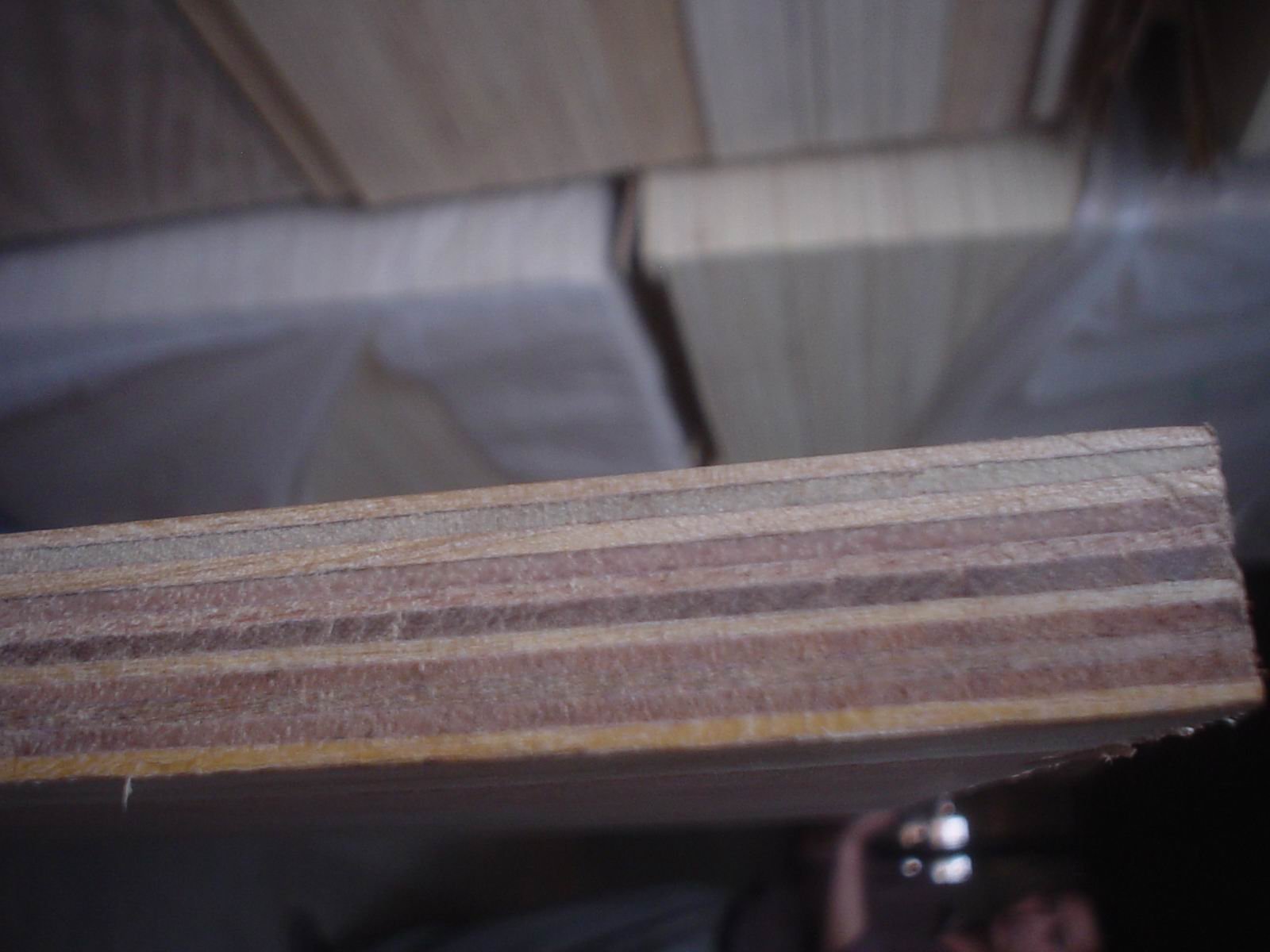
A size mistake on a plywood order costs time, freight, and material, so checking b&q plywood sizes before you buy pays for itself quickly. The panel dimensions follow a standard module that most suppliers share, and that module maps cleanly onto cutting plans and container packing. This guide pulls the common sheet sizes, their metric equivalents, and the thicknesses behind them into one reference.
The numbers apply to retail sheets and factory stock alike, because both sides of the trade work from the same nominal panel.
The full sheet is the panel that most projects assume, and nearly everything else in the range derives from it. A manufacturer cuts half sheets, quarter panels, and custom strips from the same full sheet, which keeps waste low and prices predictable.
| Panel | Imperial name | Metric size |
|---|---|---|
| Full sheet | 4 x 8 ft | 1220 x 2440 mm |
| Half sheet | 2 x 8 ft | 610 x 2440 mm |
| Quarter panel | 2 x 4 ft | 610 x 1220 mm |
| Long panel | 4 x 10 ft | 1220 x 3050 mm |
| EU panel | Metric standard | 1250 x 2500 mm |
First, notice how the sizes stack. The full sheet divides into exact halves and quarters with no waste, which is why cutting plans work best when they start from the full sheet module. Buyers who order odd sizes pay for the same panel mass plus extra cutting time.
The number comes from the imperial 4 x 8 ft sheet converted to metric. Because freight, racking, and cutting machinery all assume that module, it repeats across suppliers and markets, so a full sheet ordered from one factory matches the scheme of another.
In contrast, the 1250 x 2500 mm panel appears mostly in European export stock. It uses a wider module that suits certain cabinet layouts, but it does not divide into the same clean halves, so layout designers stick to 1220 x 2440 mm unless the client asks otherwise.
The label reads as a short string, such as a 9mm thickness followed by the panel width and length. Every buyer who treats the string as three separate numbers avoids the majority of size errors.
A quick calculation also helps: one full sheet covers about 2.98 square meters, so the area math for laminating, flooring, or screening starts from that figure. Keep the sheet area in the estimate and the coverage stays honest.
Sheet size covers width and length, while thickness is a separate decision that follows the load. The common plywood thickness ladder runs 4mm, 6mm, 9mm, 12mm, 18mm, and 25mm, with 12mm and 18mm handling most structural panels.
| Thickness | Common use |
|---|---|
| 4mm | Light lamina and decorative covers |
| 6mm | Drawer bases and panel linings |
| 9mm | Shelves, cabinet parts, backs |
| 12mm | Casework, shelving under load |
| 18mm | Frames, worktops, heavy shelves |
| 25mm | Heavy benches and structural cores |
Consequently, every thickness carries a tolerance, and a printed 18mm can measure 17.5mm at the caliper. Calibrated sheets reduce that spread after sanding, which makes them the choice for dadoes and rebates that must fit exactly.
The number of plies and the core species affect stiffness more than the nominal thickness does. A panel with more, thinner plies deflects less under the same load, while a coarse core adds weight without adding strength. Read the ply count and the core species when two sheets quote the same 18mm.
Heavier, denser cores suit work that takes a beating, and lighter cores reduce freight cost when the panel ships far. As a result, the size alone never completes the specification; thickness, ply count, and face grade finish it. A useful definition: nominal size means the stated panel dimension before factory tolerance, so always verify with a caliper before committing a cut list.
Waste follows the cutting plan, not the sheet. Panels cut on the module keep offcuts usable, while unplanned cuts leave odd shapes that no future job absorbs. A five percent waste allowance is routine for interior work, and a well-planned sheet layout pushes it lower.
However, a cutting plan cannot fix a wrong sheet size. Confirm the width and the metric equivalent against the door, the cabinet, or the ceiling void before the saw starts, because a panel that misses by 20mm still lands as a rejected batch.
Projects that measure in centimeters still benefit from the full sheet module. The 1220 x 2440 mm sheet equals 1.22 by 2.44 meters, so a room dimension of 2.4 meters works as one sheet plus a thin trim. When a wall runs 3.6 meters, use one full sheet and one half panel rather than two full sheets.
When the project shifts from structure to furniture, a faced interior sheet such as Melamine Plywood keeps the same 1220 x 2440 mm module while adding a finished surface. Offcuts from that sheet stay standardized, so the next fitting run reuses them without re-measuring.
The room and the transport decide the sheet size before the budget does. A panel that fits the job but not the lift might as well be the wrong size, because a second trip and a cut-down on site erase the savings.
Match the panel to the opening first. A standard door leaf void fits neatly from a full sheet, a wardrobe takes two full sheets plus internal parts, and a ceiling soffit needs a long panel when the run exceeds 2440mm. Add a 10mm allowance around every cut so trimming happens on the sheet, not on the wall.
A full 1220 x 2440 mm sheet fits most vans diagonally, but a long 3050 mm panel needs a rack or a reason. Check the loading height and the doorway before the order, and plan a two-person carry for panels over 18mm.
Furthermore, bending a stiff panel around a corner can crack the face ply. Keep the sheet flat during transport, support long panels at three points, and never stack wet panels because the core swells and the board bows for good.
The sheet area math also sets the coverage estimate, because a 1220 x 2440 mm panel delivers the same 2.98 square meters whether it runs as flooring, screening, or a laminated face. Store the figure with the cut list and the estimate closes faster.
Factory buyers do not order random sizes; they convert a cutting plan into standard panels and let the supplier cut the rest. That approach keeps freight efficient and guarantees every panel shares the same nominal size, grade, and thickness.
Specify the size list in writing, including the thickness and face grade, so the quotation matches the physical sheet. Ask whether the sizes are nominal or net, and whether sanding reduces the final thickness before you figure the tolerances.
As a result, projects run smoothly when the size table is fixed early. Repeat orders become identical, cutting guides stay reusable, and the job teams stop re-measuring the same panel every week. Also, a fixed size list stabilizes the freight quote, because carriers price by panel count and cubic volume rather than by part shapes.
Specialty construction sheets such as Film Faced Plywood arrive in the same full-sheet module, while a general-duty Commercial Plywood sheet covers the interior side of the same order. Suppliers such as HYY pack mixed-size loads into a single delivery, which suits buyers who combine interior panels with structural sheets.
Direct answers to the sizing questions that come up on every quote round.
The 1220 x 2440 mm full sheet dominates retail and wholesale stock because it divides cleanly and moves through standard freight. Most size questions resolve against that module.
The label keeps the imperial name, but the metric panel measures 1220 x 2440 mm, which is the metric conversion of 4 x 8 ft. Actual millimeters govern the cutting plan; the imperial name works as a convenience label.
A 1220 x 2440 mm sheet rarely fits a standard car interior without folding or roof support. A van with a 2500 mm load bed carries it flat, so confirm the load space before you rely on collection from a store.
Yes. Most suppliers accept a size list that mixes full sheets, half sheets, and cut strips, as long as the total stays within the pack and freight limits. Combining sizes often reduces offcuts compared with ordering only full sheets.
Break the run into 1220 mm wide increments first. A 2.4 meter wall fits two full sheets with a trim, and deep shelving strips cut from the same panels at 600 mm steps. Consequently, the same module serves the carcass and the internal parts together.