Our Location
5th Floor, Huake Center, Lanshan District, Linyi City, Shandong Province, China

5th Floor, Huake Center, Lanshan District, Linyi City, Shandong Province, China
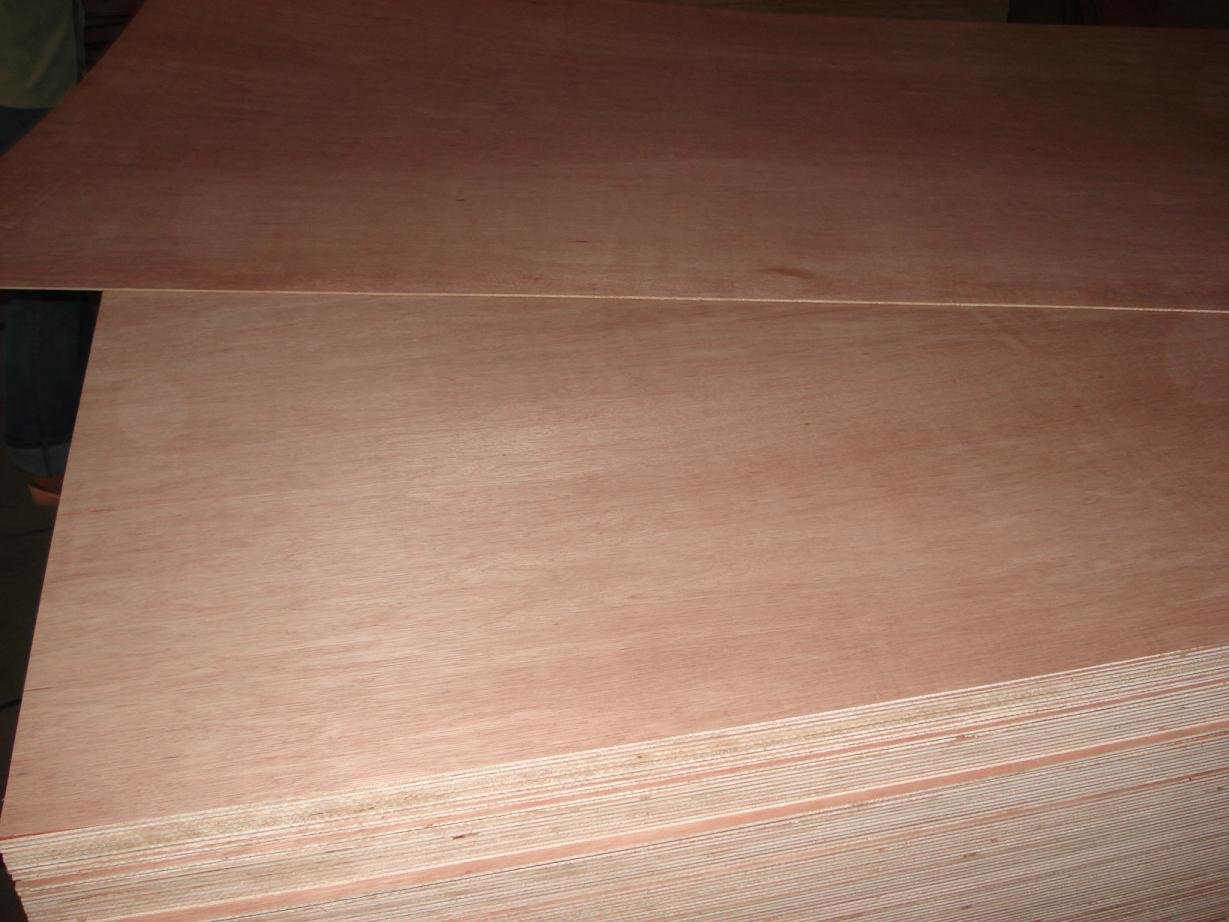
If you specify long-format stock, 3.6 m plywood panels deserve a closer look than the sheet sizes most suppliers quote first. A 3.6 meter board answers jobs where standard 2440 mm sheets run short: tall concrete formwork, continuous soffits, trailer decks, and structural spans without a stop joint. This guide covers what the extra length changes in availability, freight, handling, and total cost, and how to compare quotes before you commit.
Long-format plywood is any panel cut longer than the standard 2440 mm nominal length and sold as a sheet rather than a short offcut. A 3.6 m panel measures roughly 11.8 ft long with a width that usually stays at 1220 mm or 1250 mm, so it behaves like a full-size sheet with about a third more length. Mills produce this format on extended trim lines, which is why it carries a higher price per square meter than a standard sheet and why not every supplier offers it.
Demand for longer panels comes from jobs where a one-piece surface beats a lapped or spliced one. Formwork contractors pour walls and columns taller than one sheet, transport builders lay continuous floors, and soffit installers avoid visible joints in long ceiling runs. In each case the buyer trades a higher sheet price for faster installation and a cleaner finished surface.
Standard plywood ships at 1220 x 2440 mm (about 4 x 8 ft), and this size keeps freight and cutting simple. Long-format stock at 3.6 m sits between that base size and a full custom cut, which makes it attractive when the drawing calls for a span just past the standard sheet. Buyers compare the two options on scrap, jointing labor, and freight rather than on sheet price alone.
| Panel format | Typical length | Best fit |
|---|---|---|
| Standard sheet | 2440 mm | General construction, joinery, packing |
| Long-format stock | 3000 to 3600 mm | Formwork, structural spans, soffits |
| Custom cut | To drawing | Special profiles, marine and transport builds |
Prices climb with length because of material yield, trimming rejects, and packaging weight. A 3.6 m panel needs longer glue lines and careful stacking in the press. Suppliers who cut this format regularly keep the premium small; suppliers who treat it as a custom job charge accordingly.
Most 3.6 m panels come in structural thicknesses from 12 mm to 21 mm because the long format mostly serves load-bearing work. Film faced panels for concrete formwork and sanded structural panels lead the range, while thin panels under 9 mm appear rarely at this length because they bow during handling. Consequently, ask directly which face grades and glue classes your supplier stocks in this format.
The practical test of long-format plywood is whether the extra length removes a joint or a stop on the job. When it does, the savings in labor and waste usually outweigh the higher sheet price. Buyers who otherwise work with standard sheets should check these common applications first.
Long panels also reduce cutting time in the workshop. A carpenter scores and cuts one long sheet instead of joining two short ones, and edge sealing takes fewer linear meters. Crews with limited bench space still handle long sheets fine, but they need a second person for lifting and positioning.
Formwork is where the 3.6 m format shows the clearest gain. A concrete wall poured at 3 meters needs a continuous face, and two 2440 mm sheets leave a joint in the pour line that marks the surface. A single 3.6 m panel removes that line and the grinding that follows. Film faced panels perform best here because the phenolic surface strips cleanly and resists alkaline concrete paste.
Transport builders use long-format plywood for trailer beds and container flooring because one piece carries load with no joint to flex. Structural applications value the same principle: a continuous panel distributes load across the full span instead of transferring it through a lap. Distribution yards and rack builders stock 3.6 m panels for exactly this reason.
Order planning for extended-length sheets differs from standard sheets in three areas: freight, storage, and handling. Getting these right keeps delivery cost and site work predictable.
A 3.6 m panel fits a standard container only when loaded diagonally or in bundles sized for long lengths. Most exporters pack these panels in vertical racks or on side frames, which changes the freight quote and the minimum order quantity. First, confirm whether the price includes packaging for long panels or whether the supplier charges a separate fee.
Delivery changes too. Long sheets need a truck with an open or flat deck and a forklift with long forks at the destination. Buyers who skip these points discover the extra cost at the gate, not in the quote. Ask the supplier to state the freight basis and packing method in writing.
Long panels warp faster than short sheets when stored poorly. The added length multiplies bow and twist if the bundle leans against a wall or rests on uneven supports. Store the stack flat on covered level dunnage and strap it lightly so the panels cannot cup.
Handling rule: never carry a 3.6 m panel over a shoulder. The length puts torque on the sheet and risks a split at midspan. Two-person carries and a clear corridor prevent most damage.
Budget for the extras before you confirm an order. Long-format sheets carry a handling premium, possible restocking fees, and a higher minimum quantity than standard stock. Build these into the landed cost alongside freight so the final number does not surprise the finance team.
Long-format quotes hide their differences in the details. Two numbers that look similar on paper can describe different products once you check the grade, glue, face, and packaging basis. Compare these points before you order.
Request the exact length, width, thickness tolerance, face grade, glue bond, and edge sealing in writing. Ask whether the mill stocks the format or machines it to order, because stock items ship faster and cost less. A supplier with a stated lead time and a packing scheme earns a second round; a vague quote does not.
Film faced plywood is the reference panel for wet concrete work: the phenolic face board resists moisture and strips from cast concrete without surface damage. For structural sheathing and general construction, commercial plywood balances strength, sanded faces, and price across ordinary jobs. Pick the face type that matches the exposure, not the cheapest headline number.
For concrete formwork and repeated pours, look at Film Faced Plywood in the long format because the surface survives stripping cycles. For general structural work, Commercial Plywood covers sheathing and framing at a practical cost. Interior and cabinetry jobs that need a finished face can still use the long format through Melamine Plywood when stock lengths allow.
Buyers who consolidate several grades under one roof save time on a full project. That is where HYY steps in with commercial, film faced, melamine, and MDF lines under a single inquiry and one shipping schedule.
These are the questions buyers raise most often when ordering long-format panels. Short answers sit here, with the deeper context in the sections above.
It is a regular long-format size in mills that run extended trim lines, but not every supplier stocks it. Confirm availability and lead time instead of assuming it ships like a standard sheet.
Yes, with proper loading. Bundles pack vertically or on side frames for long panels, and this changes the freight basis, so confirm the packing method in the quote.
Generally yes, because of material yield, trimming rejects, and special packaging. The premium usually repays itself when the length removes a joint or a stop on the job.
Structural thicknesses from 12 mm to 21 mm dominate because long panels mostly serve load-bearing work. Confirm the glue class and face grade for your exposure before you order.