Our Location
5th Floor, Huake Center, Lanshan District, Linyi City, Shandong Province, China

5th Floor, Huake Center, Lanshan District, Linyi City, Shandong Province, China
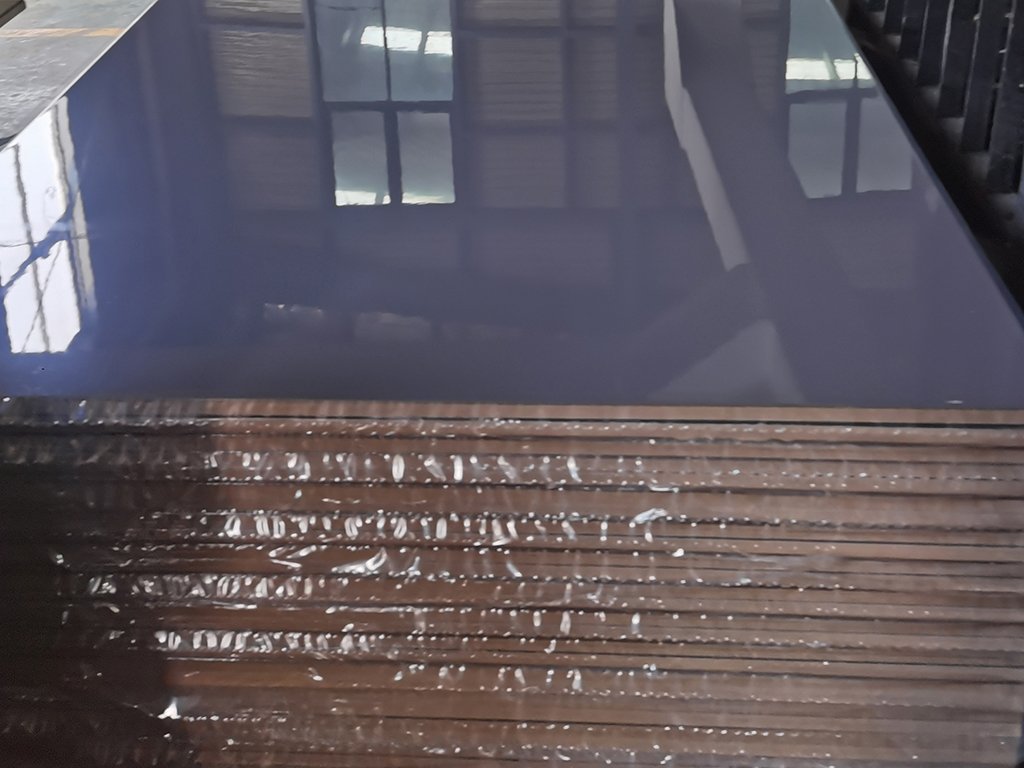
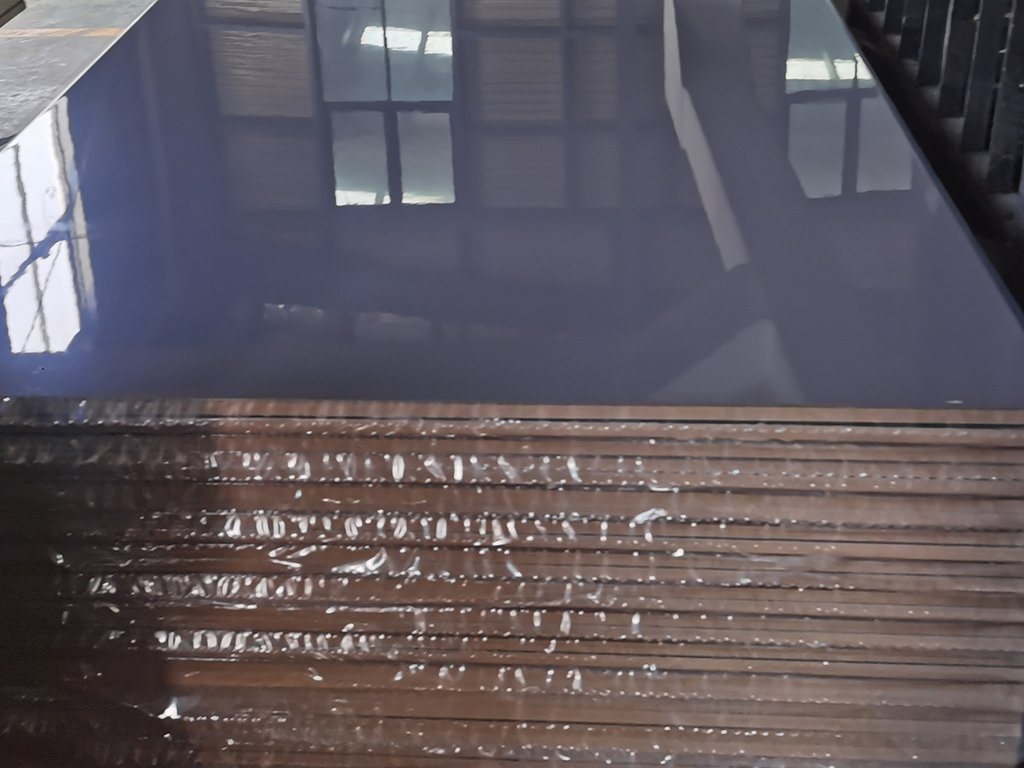
Understanding the manufacturing process helps buyers evaluate supplier capability.
A reliable melamine plywood manufacturer normally controls every production stage, from raw material selection to final inspection.
The production process starts with selecting suitable wood materials.
High-quality veneers should have:
Poor-quality veneers may cause problems such as:
Experienced plywood factories carefully inspect raw materials before production begins.
The plywood structure is created by arranging multiple veneer layers.
Each layer is placed with the grain direction alternating to improve:
The number of layers depends on the required thickness.
Common thickness options include:
Customized thicknesses can also be produced according to project requirements.
After veneer assembly, adhesive is applied between layers.
The panels are then pressed under high temperature and pressure.
This process creates strong bonding between layers.
Important production factors include:
A stable production process directly affects plywood strength and durability.
The decorative melamine paper is placed onto the plywood surface and pressed using specialized equipment.
During this stage:
Advanced factories use automatic pressing equipment to maintain consistent quality across large production volumes.
Before shipment, professional suppliers conduct multiple inspections.
Typical inspection items include:
Ensures every panel meets customer specifications.
Checks for:
Ensures the plywood layers remain stable during use.
Controls moisture content to prevent deformation during transportation and application.