Our Location
5th Floor, Huake Center, Lanshan District, Linyi City, Shandong Province, China

5th Floor, Huake Center, Lanshan District, Linyi City, Shandong Province, China
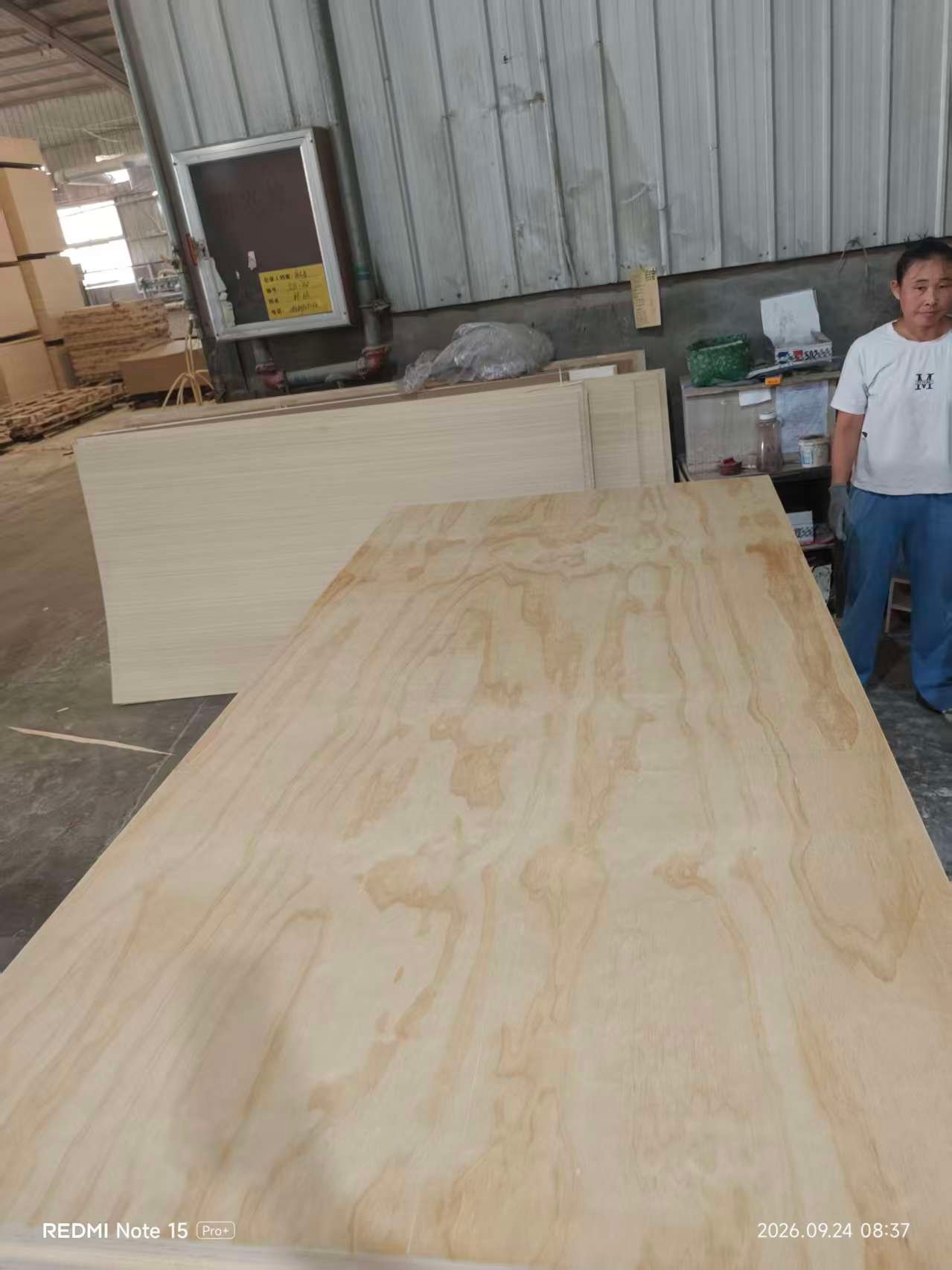
Shoppers who search big w plywood usually want one thing: a realistic answer on whether a general retail chain can supply a usable sheet for a weekend job. Big-box and discount stores carry a limited plywood range that suits craft, shelves, and light storage, but the commercial grades they skip matter for any serious structure. This guide explains what such retail stock can and cannot do, which sizes and grades to expect, and when to buy from a specialist supplier instead.
The deciding point is the grade sticker on the sheet, not the store name above the entrance, so the same checks apply to every plywood aisle.
In general retail, plywood competes for shelf space beside craft and DIY lines. Buyers usually find softwood sheets in common thicknesses, a painted or craft grade, and a few project-board alternatives. The exact list varies by chain and region, which is why a quick check of the in-store range beats an assumption.
A discount department chain such as Big W sits at the craft end of that model, so the plywood offer, when present, matches light DIY rather than structural work. Treat the range as a starting point and judge the sheet itself before you commit.
Retail sheets arrive pre-sanded and shrink-wrapped, which makes them easy to spot but hides the ply count and the core. The selling point is convenience: one pack holds the sheet, you drive it home, and the project starts the same afternoon. The trade-off is the limited face grade and the per-sheet price, which rarely falls far.
As a result, the aisle solves craft, shelving, and light furniture jobs, while construction panels stay out of the general retail range. If the specification needs a guaranteed bond or a sealed face, the retail shelf rarely carries it.
Retail plywood follows the same standard module as trade stock, so the sizes stay predictable. The full 1220 x 2440 mm sheet leads the range, with half sheets and occasional square panels for smaller tables and craft work. The module also converts cleanly to the imperial 4 x 8 ft label that importers use.
| Retail panel | Size | Sits between |
|---|---|---|
| Half sheet | 610 x 1220 mm | Craft boards and small repairs |
| Full sheet | 1220 x 2440 mm | Shelving and furniture parts |
| Square panel | 1220 x 1220 mm | Tabletops and display boards |
Grades in the retail aisle usually sit at the utility end, with painted craft faces or a simple CD-style sanded face on the front. Consequently, the sheet suits paint and decorative work better than bare structural service, and the face grade limits the outdoor life of the panel.
The common ladder repeats at retail: thin 3mm and 4mm sheets for model and laminate work, 6mm for drawer parts, 9mm for shelves, 12mm for box and carcass parts, and 18mm where a sheet must carry weight. The thickness label alone does not promise stiffness, because the ply count and the core species change the actual behavior.
A useful definition: nominal size means the stated dimension before factory tolerance, so a 9mm label can read 8.5mm at the caliper. Retail sheets usually fall inside the same tolerance bands as trade sheets, but the precise, calibrated panel that joinery needs rarely appears on a general shelf.
A retail sheet earns its place whenever the job stays dry, light, and interior. Shelves, cabinet backs, wardrobe panels, craft boxes, and painted furniture parts all run happily on a standard retail sheet, and the convenience saves a trip to a trade yard.
In contrast, the retail sheet stops being the right choice when the panel meets moisture, a long span, or repetitive fastening. While a retail sheet can look fine at the front of the stack, the pack behind it can show quite a different face. For a defined grade and a consistent layup, the repeatable order is a general-purpose Commercial Plywood sheet from a specialist.
However, if the plan centers on painted furniture or light storage, the retail sheet does the job at the lowest friction. Match the sheet to the environment first, then to the price.
Waste changes the value equation. A half sheet left over from a full sheet loses value unless a second job uses it, while a cut-to-size panel wastes almost nothing. Buy the largest sheet the project can use twice, not the cheapest sheet the store stocks.
Some jobs should never start from a general retail shelf, whatever the price sticker says. Concrete formwork, wet sheathing, load-bearing frames, and anything that carries a building-code rating demand a panel with a verified bond and a sealed face.
| Job | Retail sheet | Specialist panel |
|---|---|---|
| Painted interior shelves | Works | Overkill |
| Damp shed or outdoor cover | Fails | Film faced works |
| Concrete formwork | Fails | Film faced required |
| Visible cabinet finish | Grain shows | Faced board works |
For a damp shed, an exterior cover, or anything that meets concrete, a sealed sheet such as Film Faced Plywood protects the panel and the job. For a visible cabinet or furniture face, a pre-finished Melamine Plywood sheet skips the painting step entirely and keeps the surface consistent across every part.
However, the upgrade costs more per sheet but less per finished job when it removes flood repairs, paint failures, or a formwork blowout. Price the outcome, not the panel.
Specialist suppliers also guarantee the grade on every delivery, so the face you see on the first sheet matches the rest of the order. That consistency matters most on repeat projects, where a single bad face can reject a whole cabinet run. A written specification turns that risk into a fixed grade, so repeat orders stop depending on whichever sheet sits on the shelf that week.
The same checks protect a purchase whether the shelf sits in a discount chain or a trade yard. Run through the list in under two minutes and the purchase decision becomes routine.
Furthermore, ask about the cutting service before you pay, because a store-cut sheet saves waste only when the cuts land straight. Confirm the sizes you are quoted in metric millimeters so the panel matches the cutting plan rather than a marketing name.
However, do not judge a box of sheets by the top panel alone. Check the stack sides for the same face quality, because the middle sheets carry the very flaws the first one hides.
For a one-off job, buy a single sheet and inspect it on site before the second one leaves the store. For repeat work, move to a fixed order from a supplier such as HYY, whose deliveries arrive at the same grade and tolerance every time.
Keep the receipt and the edge stamp together until the sheet passes its first fixing. A panel that fails a week into the job is worth a claim only if you can still name its grade and origin.
Straight answers to the questions that come up most often at the sheet counter.
Stock varies by store and region, and a discount department chain keeps a limited project range rather than a trade inventory. Check the local store or the online listing before assuming a specific sheet is on the shelf.
Yes for short spans in dry rooms. Keep interior shelves under about 600 mm, edge or brace them, and the retail sheet carries the load without visible sag.
Retail stock sits at the utility end of the ladder, often a C/D or painted craft face. The grade suits covered and painted work, while exterior or wet jobs need a sealed face.
Cut-to-size reduces waste when the layout is small and repeats, while a full sheet costs less per square meter when the project uses most of it. However, compare the two on total waste, not on the sticker price.
Only with sealing, and even then briefly. A plain sanded face absorbs moisture and peels, so outdoor covers should move to a film-faced or exterior-rated panel instead.