Our Location
5th Floor, Huake Center, Lanshan District, Linyi City, Shandong Province, China

5th Floor, Huake Center, Lanshan District, Linyi City, Shandong Province, China
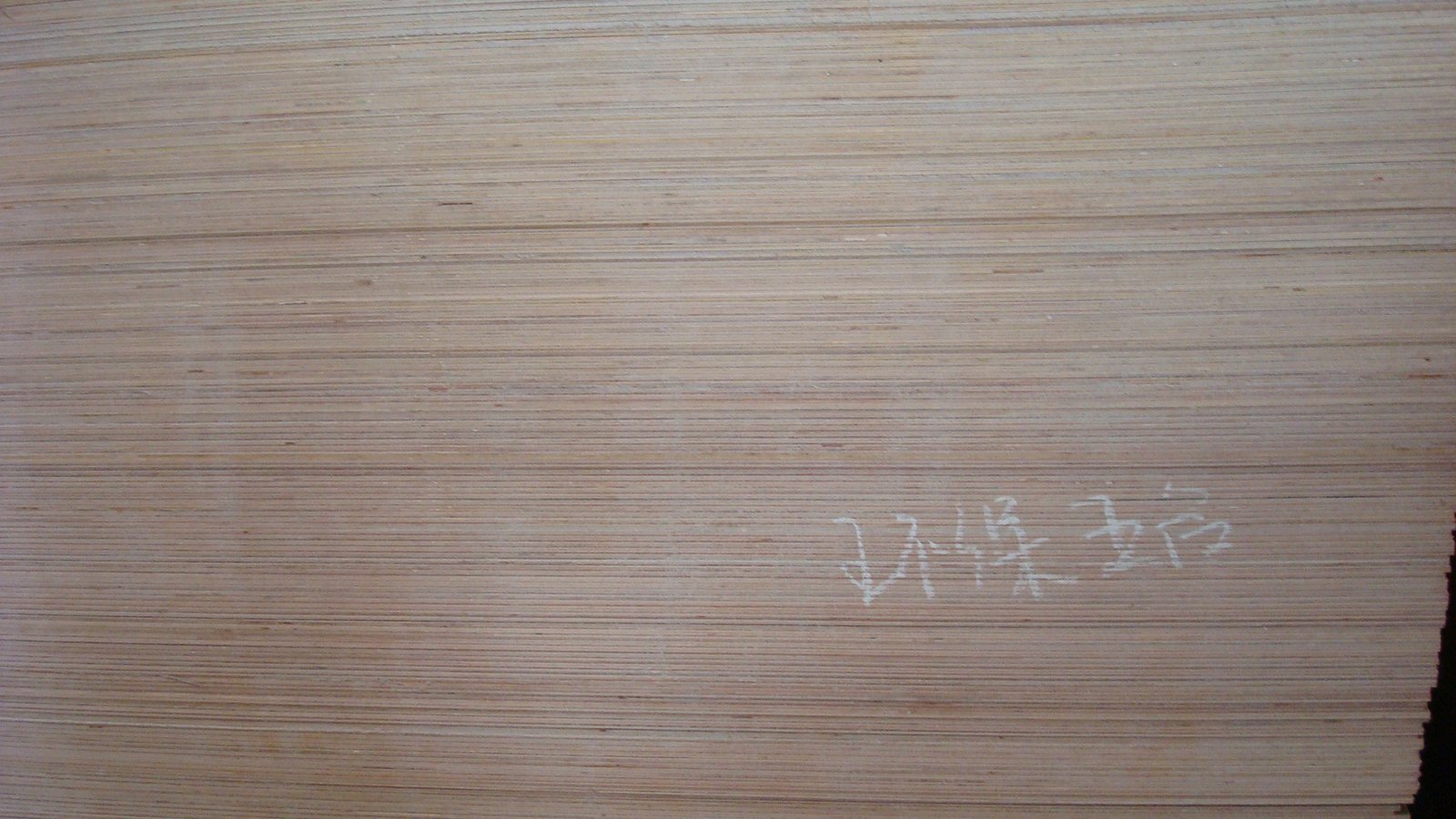
Plywood or mdf is a choice between a layered sheet and a dense fiber board, and the right pick turns on the load, the moisture, and the finish. The two panels look similar on the rack and behave nothing alike in service. This guide compares the core, the strength, the edge, and the cost, and shows how a buyer matches the panel to the job.
Plywood builds from thin wood sheets glued in crossed layers, while MDF presses fine wood fiber and resin into a dense, uniform board. The plywood core carries a grain and a set of layers, and the MDF core holds no grain at all. That single difference drives the strength, the edge, and the way each panel cuts.
The two builds differ in a few key ways:
In contrast, the uniform MDF core gives a smooth, flat panel with no voids, while the layered plywood core gives a stronger sheet that resists a racking load. A buyer who needs strength picks the layered sheet, and one who needs a clean edge for a routed profile picks the fiber board.
Consequently, the core sets the job. A buyer who reads the core first picks the panel with reason, while one who buys on the surface alone may choose a sheet that fails the load or the edge.
The two builds also cut differently. A plywood edge holds a screw and resists a split, while an MDF edge crumbles under a screw without a pilot hole. That difference decides the joint and the fastener before the finish ever reaches the panel. A buyer who plans the joint picks the core with it.
Plywood wins on strength and screw holding, while MDF wins on a flat, uniform face. The layered core spreads a load across the sheet, and the MDF board carries a load in a dense but softer mass that holds a screw poorly at the edge.
| Trait | Plywood | MDF |
|---|---|---|
| Strength | High | Moderate |
| Screw holding | Strong at the edge | Weak at the edge |
| Weight | Lighter | Heavier |
| Sag resistance | Good | Fair on a long span |
Next, the fastening decides a case. A plywood edge holds a screw well enough for a butt joint, while an MDF edge splits and strips unless the crew uses a pilot hole and a confirmat or a biscuit. A buyer who plans a screw-heavy build favors the plywood for that reason.
A buyer also reads the span. A plywood sheet spans a gap and holds its shape, while an MDF sheet sags on the same span and needs a closer support. That span rule decides the panel for a shelf or a work surface.
In contrast, MDF holds a fine routed profile with a smooth cut, while plywood can chip at a routed edge over a core void. A buyer who plans a shaped door or a molded panel picks the fiber board for the clean profile and the paint finish.
Therefore, match the panel to the joint. A screw and a load favor the plywood, and a routed shape and a paint favor the MDF, so the build decides which core the buyer orders.
The surface and the moisture plan split the two panels again, and a buyer who reads them picks the sheet that holds its look. MDF takes paint and a fine film finish better, while plywood takes a laminate and resists moisture longer.
A few differences stand out:
In contrast, the MDF edge drinks water and swells, so the buyer seals every cut edge before the panel reaches a damp room. A plywood edge with an exterior bond holds better, and a buyer who plans a kitchen or a bath leans on the layered sheet for the moisture and the screw.
Furthermore, the finish cost differs. MDF takes a paint or a laminate over a smooth face, while plywood often needs a veneer or a laminate to hide the grain. The finish, not the panel, decides the final look, so the buyer plans the finish with the core.
The edge also decides the labor. An MDF edge needs a fill and a sand before paint, while a plywood edge often takes a veneer band.
As a result, the room decides the panel. A dry, painted interior favors the MDF, and a damp or structural job favors the plywood, and the buyer who reads the room picks the sheet without a return.
A buyer also weighs the room against the finish. A dry, painted interior suits the MDF, and a damp or structural job suits the plywood. Reading the room before the order keeps the panel in service and the finish clean. That one check saves a return that a wet MDF panel forces.
Each panel owns a set of jobs, and a buyer who knows the list picks the right sheet on the first call. The plywood serves the structural and the damp work, and the MDF serves the flat, painted, and routed work.
| Panel | Best jobs |
|---|---|
| Plywood | Framing, subfloor, cabinets, damp rooms |
| MDF | Painted doors, routed profiles, flat panels |
Next, combine the two in one build. A cabinet can use a plywood carcass for the strength and an MDF door for the painted face, which gives a strong box and a smooth door. A buyer who mixes the panels gets the best of each on the same job.
In contrast, using one panel everywhere forces a compromise. A plywood door shows a grain the paint may hide, and an MDF carcass carries a screw poorly at the edge. The mix avoids both faults and keeps the cost in line.
Therefore, plan the panel by the part, not by the job. A buyer who assigns a core to each part builds a unit that holds the load and shows the finish the client wants, and the panel cost follows the design.
The two panels also carry differently. Plywood is lighter per sheet at the same load, while MDF is denser and heavier, which changes the handling and the hinge load. A buyer who plans the weight picks the panel that suits the run and the hardware. A lighter sheet also eases the install.
The panel cost runs close, and the real trade-off sits in the labor and the life. MDF often costs less per sheet, while plywood carries a premium for the layered core and the strength, and the finish and the moisture decide which one pays off.
For general construction and a workhorse carcass, Commercial Plywood gives a solid core at a fair figure. For a painted door or a routed part, MDF Board offers a smooth face that takes the finish. For a cabinet that shows the surface, Melamine Plywood brings a finished panel and a steady core.
Furthermore, add the finish and the life to the cost. An MDF panel that swells in a damp room costs more across the build than a plywood sheet that holds, and a plywood door that needs a veneer can cost more than a painted MDF door. The finished cost, not the sheet price, decides the value.
A supplier such as HYY quotes both panels by the spec, so a buyer compares the plywood and the MDF on equal ground and picks the core the job needs. That comparison keeps the cost honest and the build true.
The questions below come up on the two panels, and each has a short answer.
For most structural loads, yes. The layered core spreads a force and holds a screw better than the fiber board.
Plywood. An MDF edge splits and strips without a pilot hole and a special fastener.
MDF sands to a smooth, paint-ready face. Plywood shows a grain and often needs a veneer or a laminate.
Plywood with an exterior bond. MDF swells fast when wet, so seal every cut edge in a damp room.
Yes. A plywood carcass with an MDF door gives strength and a smooth painted face, and the cost stays in line.
One habit keeps the choice honest. A buyer who names the load, the moisture, and the finish on the request picks the core without a second call. That spec, not the panel on the shelf, decides which sheet the job needs.