Our Location
5th Floor, Huake Center, Lanshan District, Linyi City, Shandong Province, China

5th Floor, Huake Center, Lanshan District, Linyi City, Shandong Province, China
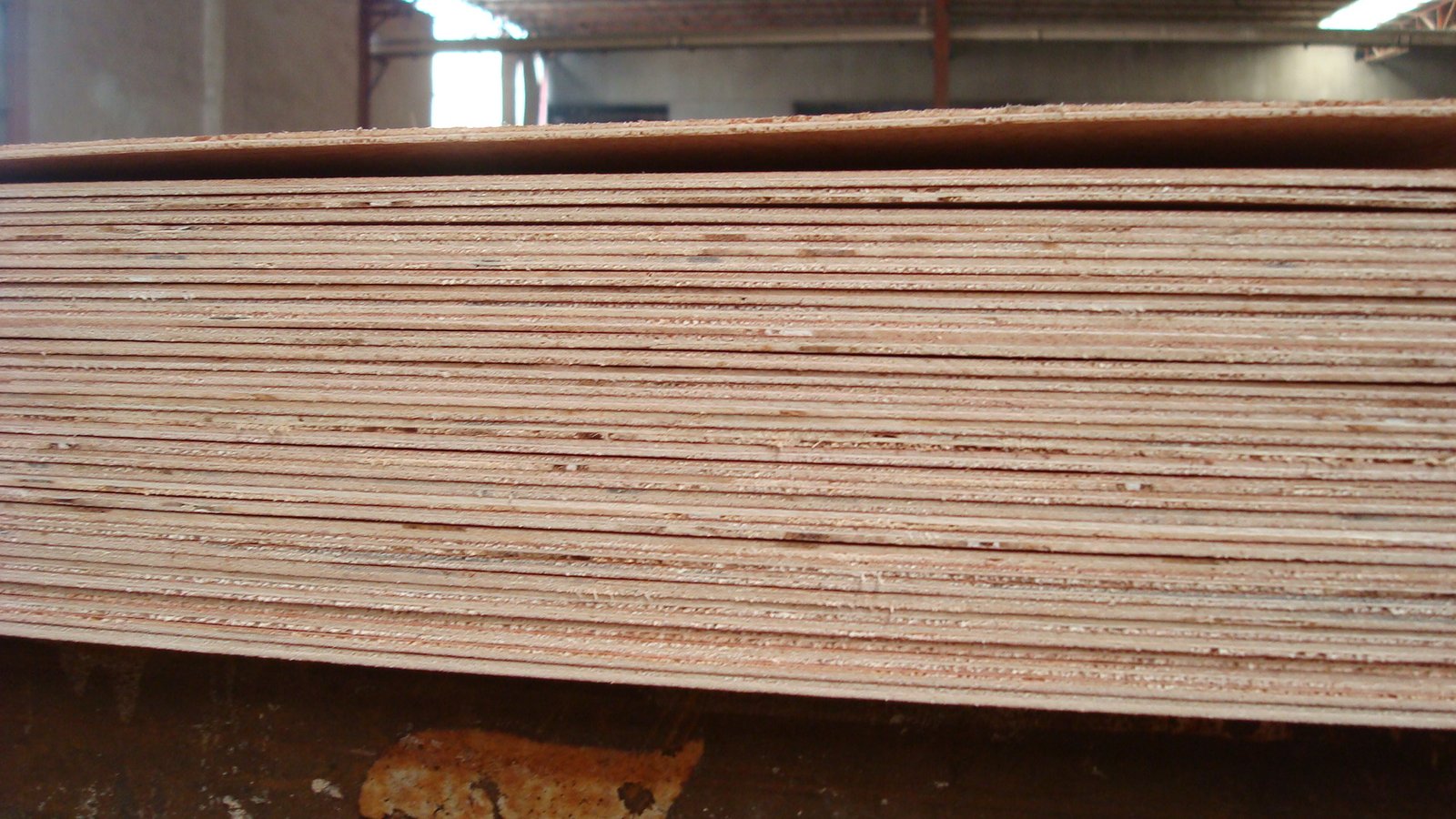
Plywood or plyboard is a question that trips a buyer at the counter, because the two names travel in the same market and often describe panels of different builds. Plyboard usually marks a board that mimics plywood at a lower cost, while plywood marks a true veneer panel. This guide explains what each name means, how the panels differ, and how a buyer reads a quote that uses both words.
Plyboard names a board that a supplier sells as a low-cost stand-in for plywood, and the term covers everything from a thin veneer panel to a fiber or particle core with a printed face. The name promises the look of plywood at a lower price, and the buyer who buys on the name alone may receive a panel that differs from the drawing. The word describes a market position more than a fixed build.
A plyboard sheet usually shows a few traits:
In contrast, a true plywood panel stacks crossed veneer layers and holds a known core. The plyboard name covers the cheaper board, while the plywood name carries the layered core and the strength. The two names overlap in use and differ in the build.
Therefore, treat the word as a price signal, not a spec. A buyer who hears plyboard asks for the core, the gauge, and the bond, and the panel that arrives matches the job instead of the nickname on the tag.
The name also travels with a price. A plyboard panel often sells at a lower tag, and the buyer who compares two quotes should read the core behind each name. That reading keeps the saving from hiding a weaker board. A buyer who checks the core at the counter sees the difference before the money moves.
The two panels differ in the core, the strength, and the life, and a buyer who reads those three sees past the shared name. Plywood stacks veneer in crossed layers, while plyboard often uses a cheaper core that carries less load and holds a screw poorly at the edge.
| Trait | Plywood | Plyboard |
|---|---|---|
| Core | Crossed veneer | Mixed or fiber |
| Strength | High | Low to medium |
| Moisture | Holds with a good bond | Swelling risk |
| Price | Premium | Low |
Next, the core sets the load. A plywood shelf spans a gap and holds its shape, while a plyboard shelf can sag under the same weight and swell in damp air. A buyer who plans a load or a damp room favors the true plywood for those reasons.
In contrast, a plyboard board serves a light, dry job at a low cost. A lining, a light back, or a temporary panel can hold up on the cheaper board, and the buyer saves money without a risk to a structural part.
The two boards also finish differently. A plywood face shows a grain that a laminate can hide, while a plyboard face often carries a printed or thin veneer surface that wears on a visible part. The finish, not the price, decides the look. A buyer who plans the finish picks the board that holds it.
As a result, the job decides the panel. A load-bearing or damp part needs the plywood, and a light, dry part can take the plyboard, so the buyer who reads the use picks the right board and keeps the cost in line.
The core, the grade, and the bond separate the two names on paper, and a buyer who reads all three avoids a costly mix-up. A quote that names only the price hides the core that sets the strength and the life.
A short list explains a board:
In contrast, the two names often pair with two cores. A plywood panel usually carries a veneer core and a known grade, while a plyboard panel often hides a fiber or particle core behind a thin face. The buyer who asks for the core sees which panel the supplier means.
Furthermore, the bond decides the moisture use. An exterior-bond plywood holds in a damp room, while a plyboard panel with an interior bond swells and fails. A buyer who plans a kitchen or a bath confirms the bond before the order.
Therefore, write the core and the bond on the request. A buyer who names the core, the grade, and the bond gets the panel the job needs, and the name on the tag stops driving the order.
A buyer also reads the edge. A veneer core shows clean layers at the cut, while a mixed core can crumble at the rim and split a screw.
Each board owns a set of jobs, and a buyer who knows the list picks the right panel on the first call. Plywood serves the load and the moisture, and plyboard serves the light, dry, and temporary work.
| Board | Best jobs |
|---|---|
| Plywood | Framing, subfloor, cabinets, damp rooms |
| Plyboard | Light lining, temporary panels, light backs |
Next, combine the two in one build. A plywood carcass can carry the load while a plyboard back closes the unit at a low cost, which gives a strong box and a cheap closing panel. A buyer who mixes the boards spends on the parts that need it.
In contrast, using the cheap board everywhere forces a risk onto the load-bearing parts. A plyboard subfloor or cabinet edge can fail under weight, and the repair costs more than the saving on the board. The mix keeps the risk off the structural parts.
Therefore, plan the board by the part. A buyer who assigns a core to each part builds a unit that holds the load and stays within the budget, and the panel cost follows the design rather than the name.
The price gap also guides the mix. A buyer who spends on the load-bearing plywood and saves on a plyboard back spends where the job needs it. That plan keeps both the cost and the risk in line. A short list of parts shows where each board belongs.
A quote that uses both names can hide a core swap, and a buyer who reads the spec line sorts the offer without a second call. The gauge, the core, and the bond decide the panel, and any gap in those fields makes a name comparison meaningless.
For general construction and a workhorse carcass, Commercial Plywood gives a solid veneer core at a fair figure. For a light internal part, Chip Board covers the job at a low cost. For a forming job that needs a tough face, Film Faced Plywood takes the reuse and the water of a slab.
Furthermore, convert the price to the cost per square meter before the ranking. A cheap board at a thin gauge can cost more per square meter than a dearer panel at a thick gauge, and the conversion exposes the gap in one step. That check removes the pull of a low tag.
A supplier such as HYY quotes the panel by the core and the bond rather than the nickname, so a buyer who asks for a veneer core receives a true plywood sheet. The spec, not the name, keeps the build true from the quote to the delivery.
Keep the quotes on a comparison sheet. A buyer who stores the core, the gauge, and the bond for each bid finds the right board at a fair rate, and the record shows which supplier meets the spec. That record guides the next order.
The questions below come up on the name question, and each has a short answer.
Not always. Plyboard often marks a cheaper board with a mixed core, while plywood marks a crossed veneer core.
Some can, at a light load, but a fiber or particle core holds a screw poorly and can sag. Use true plywood for a structural part.
It often uses a cheaper core and a thinner face. Read the core and the bond before you accept the price.
Check the core edge and the bond. A veneer core with a clear grade marks plywood, and a mixed core marks plyboard.
Yes. A sample shows the core and the face, and it keeps a light board off a load-bearing part.