Our Location
5th Floor, Huake Center, Lanshan District, Linyi City, Shandong Province, China

5th Floor, Huake Center, Lanshan District, Linyi City, Shandong Province, China
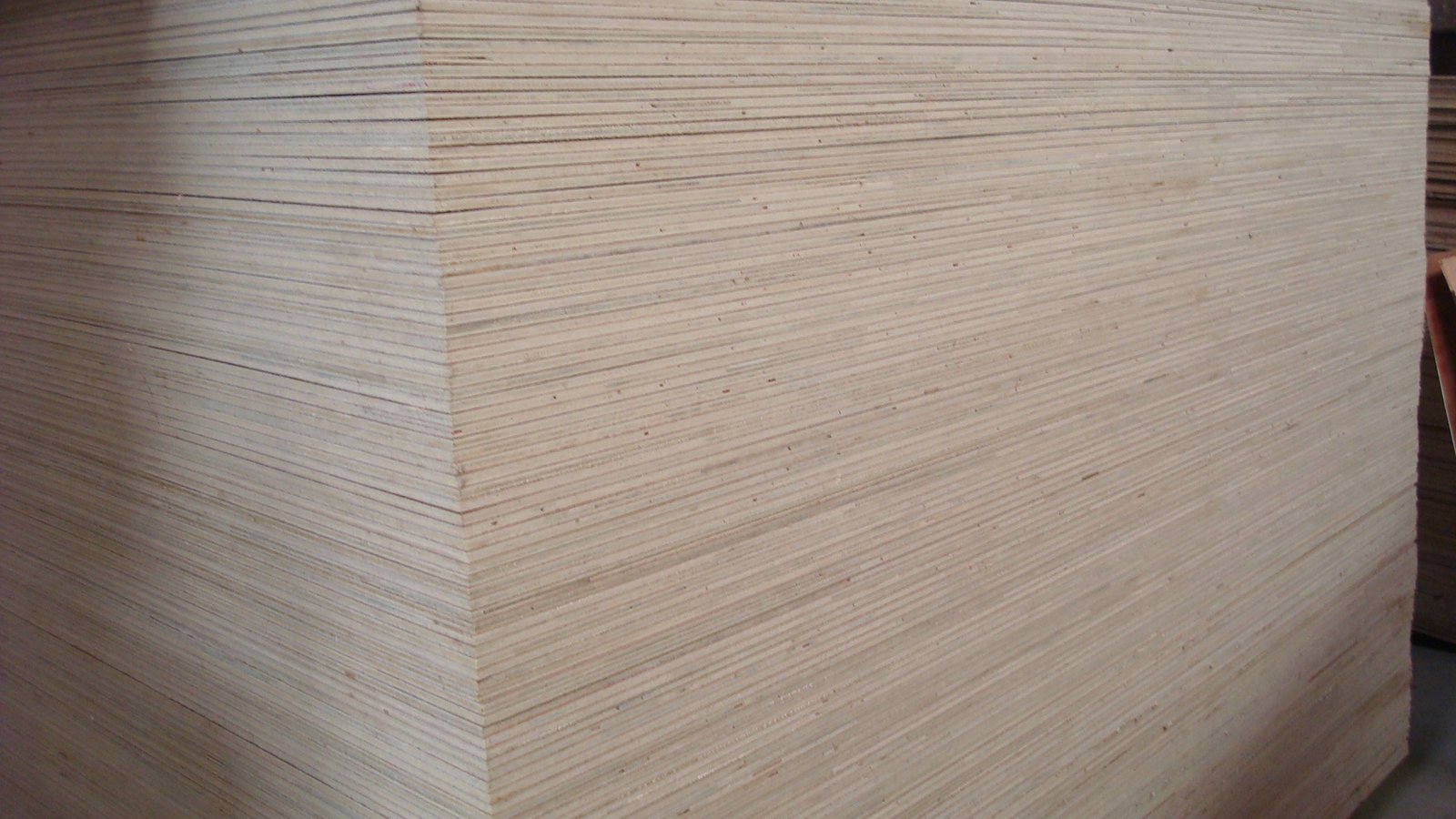
Plywood or flywood is a question of words as much as panels, because a buyer who hears both names may not know whether they describe the same sheet or two different goods. The terms cross in quotes and catalogs, and a mix-up costs a job when the panel arrives thinner than the drawing expects. This guide explains what each word means, where the confusion starts, and how a buyer orders on the spec instead of the name.
Flywood names a light, thin sheet that a buyer often meets in a small shop or a market stall, and the word travels with a panel that serves a light job. A buyer who hears the term usually wants an affordable sheet for a lining, a shelf, or a repair, and the name carries a low price more than a formal grade. The buyer who buys on the name alone may receive a panel that differs from the drawing.
A flywood sheet usually shows a few traits:
In contrast, the word describes a market habit rather than a formal grade. A supplier who uses the term sells a familiar sheet at a familiar price, while a buyer who needs a set gauge or bond still asks for the spec by name. The term, not the panel, carries the low-cost promise.
Therefore, treat the word as a price signal. A buyer who hears flywood asks for the gauge, the core, and the bond in the same breath, and the panel that arrives matches the drawing instead of the nickname on the tag.
The word also travels across regions. A supplier in one market uses the term for a light sheet, while a supplier in another uses it for a panel with a printed face, so a buyer who compares two quotes should read the core behind each name.
The two terms meet in the same market, and a buyer who reads a quote sees both names on similar sheets. A plywood panel with a solid veneer core and a clear grade meets a light flywood sheet with a soft core, and the price gap between them tells the buyer which one the supplier holds.
| Term | Core | Price |
|---|---|---|
| Plywood | Solid veneer | Fair to premium |
| Flywood | Light or mixed | Low |
Consequently, the terms rarely mean the same panel. A buyer who asks for plywood and receives a light sheet should read the core and the gauge before the order moves, because the two panels carry different strengths and different lives. The name, not the price, decides which one the job needs.
Next, a supplier may use both names for a range. A shop that sells a solid core panel and a light sheet gives each a name the trade recognizes, and the buyer who reads the spec line picks the right one without a second call.
In contrast, a buyer who compares the two names on price alone may pick the light panel for a heavy job and pay twice when it fails. The core, not the name, sets the strength, so the buyer who reads the core keeps the build safe.
As a result, the two terms mark two different panels, and the buyer who treats them as one name ends up with a panel that misses the load. The spec line settles the question in one read.
The confusion starts at the counter, because the two words sound alike and travel in the same market. A supplier who uses a local habit names a light sheet one way, and a buyer from another region hears the other term, and the two describe the same shelf without a shared definition.
A few habits fuel the mix-up:
In contrast, a written spec removes the confusion. A buyer who names the gauge, the core, and the bond on the order gets the panel the drawing needs, and the name on the tag stops mattering. The spec travels across regions without a lost meaning.
Therefore, write the spec before the call. A buyer who asks for the gauge and the core first, and the name second, keeps the order true even when the supplier uses the other term for the same panel.
A sample at the counter settles the question. A buyer who holds the panel sees the core and the face, and the name on the tag fades behind the sheet in hand. That habit, repeated on every buy, keeps the two words apart.
A clear spec turns a name question into a panel order, and the buyer who writes the gauge, the core, the grade, and the bond gets the right sheet without a debate. The supplier then matches the panel to the drawing, and the name on the tag fades behind the numbers.
A short spec covers the key fields:
For general construction and a workhorse carcass, Commercial Plywood gives a solid veneer core at a fair figure. For a light internal part, Chip Board covers the job at a low cost. For a cabinet that shows the face, Melamine Plywood brings a finished surface and a steady core.
Furthermore, ask for a sample before the full order. A sample shows the core and the face, and the buyer who holds the sheet sees whether the name matches the spec. That check stops a light panel from reaching a heavy job.
A supplier such as HYY quotes the panel by the spec rather than the nickname, so a buyer who asks for the gauge and the core receives the panel the drawing needs. The spec, not the name, keeps the build true from the quote to the delivery.
Two quotes that name two different words can price the same panel, and a buyer who reads the spec line sorts them without a second call. The gauge, the core, and the bond decide the panel, and any gap in those fields makes a name comparison meaningless.
| Field | What to confirm |
|---|---|
| Gauge | Real thickness and tolerance |
| Core | Veneer, mixed, or particle |
| Bond | Interior or exterior |
| Price basis | Per sheet or per square meter |
In contrast, a quote that names only a brand tells the buyer little, because the brand may cover several grades and two different cores. Ask for the gauge and the bond in writing, and hold the quote to those numbers before the money moves.
Furthermore, convert the price to the cost per square meter before the ranking. A cheap sheet at a thin gauge can cost more per square meter than a dearer sheet at a thick gauge, and the conversion exposes the gap in one step.
Therefore, sort the quotes on the spec and the basis. A buyer who writes the gauge, the core, and the bond on a comparison sheet finds the right panel at a fair rate, and the name on the tag stops driving the order.
The questions below come up on the name question, and each has a short answer.
Not always. A flywood name often marks a light, thin sheet, while plywood marks a solid veneer core. Read the core and the gauge to be sure.
The words sound alike, travel in the same market, and often appear on a quote that names a brand instead of a spec.
Write the gauge, the core, the grade, and the bond on the order, and let the supplier match the panel to that spec.
Often, because a light name carries a soft core. The gauge and the core decide the strength, so read them before the price.
Yes. A sample shows the core and the face, and it keeps a light panel from reaching a heavy job.
One habit keeps the two words from tripping the order. A buyer who writes the core, the gauge, and the bond on every request treats the names as hints rather than as specs. That habit turns a name question into a panel order.