Our Location
5th Floor, Huake Center, Lanshan District, Linyi City, Shandong Province, China

5th Floor, Huake Center, Lanshan District, Linyi City, Shandong Province, China
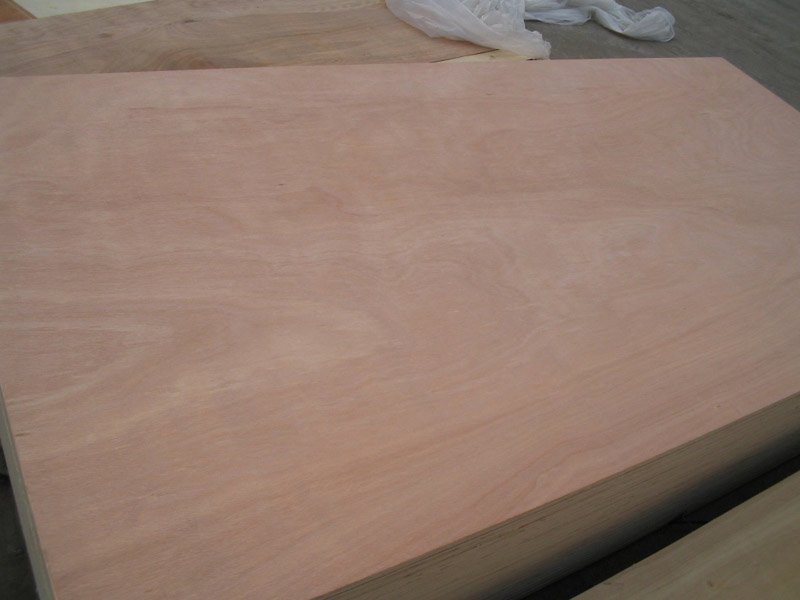
When a dealer labels a stack nile plywoods u ltd, the name shortens the conversation but should not shorten the inspection. The phrase points to a named supplier operating across African timber markets, yet the panel in front of you remains a plywood sheet that answers to the same checks as every other board on the yard.
Run the identity check first, then the sheet check, and the paperwork will tell you what the logo alone cannot.
Before measuring a single board, confirm who actually sells the sheet. Distributors, agents, and re-baggers can all carry the name, and the seller’s identity changes what warranties and test documents you can claim.
Ask for the company registration, a trade license, and the registered address, because a named supplier appears in official records while a logo alone appears nowhere. The records also tell you the operating countries and the length of trading history.
Furthermore, the tier of seller decides your recourse. A direct mill line answers with factory documentation, while a reseller depends on the same papers reaching it intact, so the identity shapes the whole purchasing process.
Check the named seller against complaints and trade references as well. A short conversation with an existing customer, or a search of the operating country’s trade registries, turns a distant name into a known quantity before a deposit moves.
Use official channels for the first payment too. A named supplier who insists on cash or a personal account before the first invoice deserves a slower response, because established timber trading runs on documented transfers that leave a trail.
Recognize that names travel across borders as well. A dealer may import a branded sheet and sell it under a domestic trade name, so the buyer who wants mill documentation should ask for it by name instead of assuming the shop paper proves the origin.
A named supplier implies a standard, but the specific standard appears on the sheet. Look for a printed reference that ties the panel to a tested specification, because that reference is the single most verifiable claim on the label.
Different markets quote different standards, and buyers should ask which one applies to their cargo. Common references include IS 710 for Indian panels, EN 636 for European plywood, BS 1088 for marine-grade boards, and JAS for panels certified under the Japanese Agricultural Standard.
The table below lists the common references and the question each one answers. Match the name on the quote to a standard and the mystery disappears.
| Reference | Region | What it governs |
|---|---|---|
| IS 710 | India | General plywood grades and bond classes |
| EN 636 | Europe | Plywood performance classes and durability |
| BS 1088 | United Kingdom | Marine plywood specification |
| JAS | Japan | Certified plywood under Japanese standards |
| PS 1 / PS 2 | United States | Construction and industrial plywood |
As a result, a quote that stops at the brand name and never names a standard leaves the grade unstated. Ask for the printed reference and take the sheet’s silence as a warning.
The printed reference also lines up with the sheet’s construction. Marine and structural panels carry matched edges and dense cores, while lightweight interior grades run thinner veneers, so the standard and the physical build should agree when you read the edge.
For buyers in humid and coastal markets especially, the quoted standard should match the destination. A humid coastal site demands a higher moisture class, while a dry interior furniture job tolerates a basic grade, so match the reference to the site rather than to the quote.
The logo identifies the producer, while the standard defines the product. A buyer who compares quotes by name alone can pay a premium for a well-branded sheet that still fails the moisture class of the job, so anchor every comparison to the printed reference on the label.
The standard is a claim, and the board proves it. The moisture content, the weight, the face, and the edges together confirm whether the sheet matches the class on the quote.
Measure the moisture content with a pin-type meter when one is available. A moist, freshly cut core moves, warps, and invites glue failure, while a dried, stable board carries a reading inside the expected range for the region.
In contrast to a face opinion, these checks produce numbers a buyer can repeat on the next delivery. A documented weight and a caliper reading settle disputes faster than any photograph.
Furthermore, sample more than one sheet. The top board on a stack flatters the lot, so open the pack below and repeat the checks on the middle layers.
Run the moisture reading across the width of the sheet as well. A core that reads wet in the middle while the edge dries suggests a storage problem in the stack rather than a uniform mill result.
A branded panel should travel with documents that match the name. The invoice, the packing list, the bill of lading, and ideally a mill test certificate form the paper trail that ownership and grade both depend on.
Ask for the test certificate before a container leaves. The certificate names the standard, the bond class, the moisture content, and the tested properties, and it gives a buyer a document to raise when a claim fails.
Moreover, verify the batch numbers. The certificate and the sheets should share a common batch reference, because a valid certificate for a different lot proves nothing about the panels in front of you.
Keep the documents together for the lifetime of the project. When a panel fails months later, the certificate, the invoice, and the packing list rebuild the entire claim without asking the seller for favors.
Ask whether the certificate is a mill document or a third-party report as well. Both carry value, but an independent inspection holds weight in a dispute, and the small cost saves the argument when a delivered sheet fails the spec.
Does the name guarantee the grade? No. The name identifies the supplier line, while the grade follows the standard printed on the sheet and the bond class it specifies.
Can a buyer trust the face color to match a photo? Rarely. Panel faces vary with the log run and the dye, so verify appearance from a physical sample rather than a catalogue image.
Is a test certificate enough proof? Only when the batch numbers match. A certificate for a different lot tells the buyer nothing about the delivered panels.
Should small buyers insist on the same paperwork as container buyers? Reasonable paperwork, yes. A trade license, an invoice, and the printed standard apply to every order size, while the full mill certificate matters most at container scale.
Does a named plywood line cost more than a generic board? Usually a small premium appears, but the gap closes when freight and inspection savings count, because a documented sheet fails less often and settles disputes faster.
Can a buyer verify the named line before the container ships? Yes, with a pre-shipment inspection. A third-party inspector weighs samples, checks stamps, and photographs the stack, so the buyer confirms the claim before the boat leaves.
For any quantity, close the loop on paper. Confirm the seller identity, name the standard on the invoice, record the sheet weights, and keep one physical sample from the first delivery.
The sample does the work later. When a finishing shop disputes the face or an inspector questions the bond, the kept panel proves what the supplier actually shipped three months before.
Build a simple inspection record on the day of arrival too. Note the supplier, the standard, the sheet weights, and the moisture readings on a single page, and the record doubles as the baseline for every future order from the same line.
Across product lines, the verification routine stays identical. Commercial Plywood covers daily framing, while coated wet-area panels and formwork make a strong case for Film Faced Plywood, whose sealed surface removes a finishing step.
A documented export range such as the one HYY supplies names the standard and the bond class on the delivery documents, so the nile plywoods u ltd question resolves against paperwork rather than a painted name.
Verify the seller, read the standard, weigh the stack, and keep the papers, and the named sheet proves itself.