Our Location
5th Floor, Huake Center, Lanshan District, Linyi City, Shandong Province, China

5th Floor, Huake Center, Lanshan District, Linyi City, Shandong Province, China
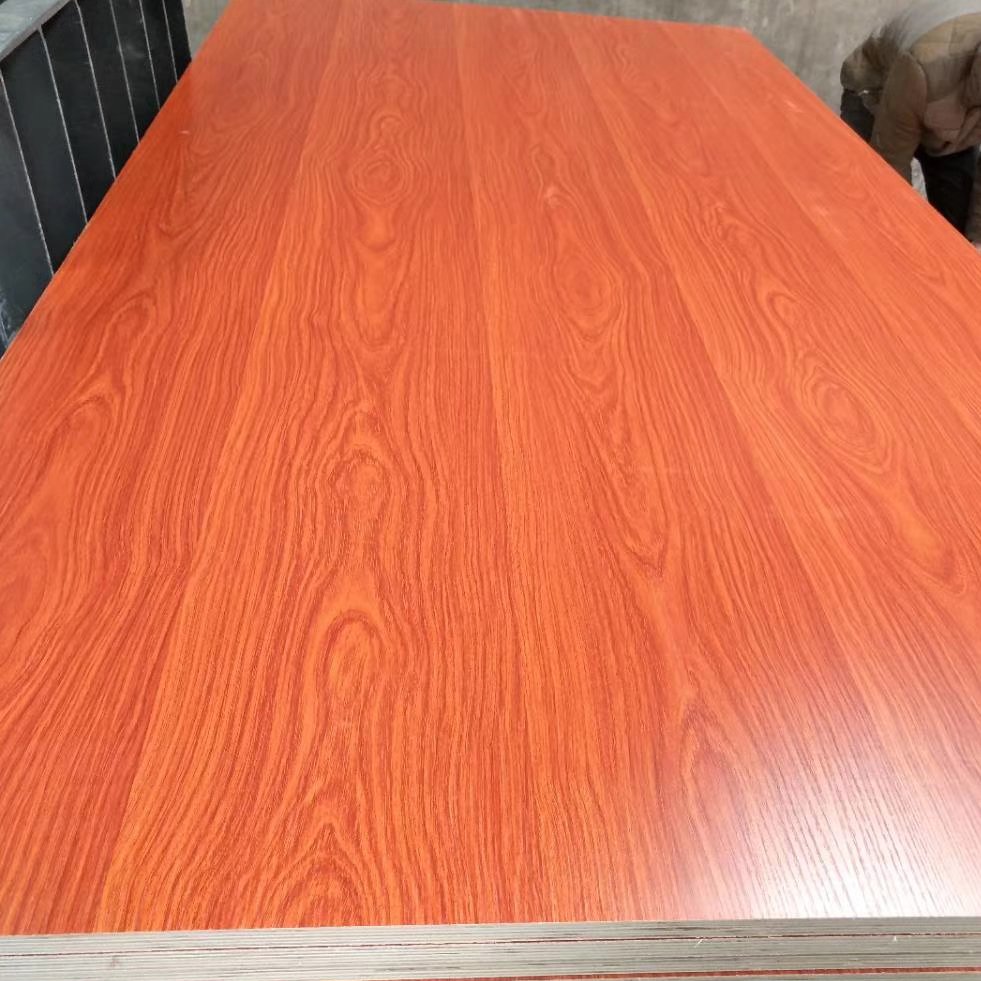
4 star plywood describes a premium sheet with a cleaner face, tighter plies, and a more reliable build than standard stock. The label appears in trade listings and retail chains alike, yet the rating comes in several forms, so buyers treat the term as a quality tier rather than one unified standard. This guide explains what separates a four-star panel from a utility board and how to verify the claim before you pay.
The same verification steps work for one sheet and for a full container, because the deciding factor is the face, the ply count, and the bond.
Premium panel buying rewards this kind of caution. The star carries a price premium, and the price only earns itself when the sheet actually delivers the cleaner face and the firmer core that the rating promises.
Premium sheet trading uses stars as shorthand for overall quality, but the term hides real detail. In practice a four-star panel means a clean face without loose knots or repair patches, a tight layup with no visible core gaps, and sanded faces on both sides. It points at appearance and build rather than a fixed strength rating.
Different suppliers apply the star to different specifications, so the phrase works as a shortcut and not as a substitute for a written spec. The buyer who orders a star without naming the grade leaves room for interpretation, and interpretation usually lands on the cheaper side of the promise.
Most buyers meet the star in one of three places: a retail chain marking its top shelf, a wholesaler sorting paper-faced panels, or an export spec written around a clean face. All three use the same word for the same promise, but the tolerances and the veneers differ, so asking which grade the star refers to stops the guesswork before the payment goes out.
However, appearance is only half of the story. A beautiful face on a damp or soft core still fails in service, so any premium claim needs checking on the edge and the weight, not just the surface.
First, the premium tier costs more than utility stock for a reason: lower face waste, cleaner finishing, and fewer callbacks. For jobs where the sheet shows, that difference returns the price gap quickly.
The ply count and the core species drive the structural difference between a premium sheet and a budget panel. More, thinner plies distribute load better and resist warping, while a coarse or gappy core adds weight without adding strength.
Consequently, two sheets with the same 18mm label can behave completely differently. One holds a demanding shelf without sag, and the other bows under the same load because the plies sit thinner or the core carries voids.
| Sheet | Ply count | Typical core | Behavior |
|---|---|---|---|
| Budget panel | Low | Coarse, gappy | Bows, screws pull at the edge |
| Mid panel | Medium | Even softwood | Fine for covered work |
| Premium sheet | High | Clean, tight | Stiff, holds screws |
In contrast, the edge reveals the answer instantly. Count the plies at the end of the sheet, look for open voids, and press the edge for softness. A premium sheet shows a clean, even stack from top to bottom.
A quality premium sheet also balances its veneers. Balanced construction means the plies sit symmetrically around the center, with the same grain direction and thickness on each side. A balanced panel stays flat as moisture changes, while an unbalanced layup cups toward the drier side within weeks of opening the pack.
A useful definition: ply count means the number of veneer layers glued crosswise to build the panel. Higher counts on the same thickness generally mean a stiffer, more stable sheet, while lower counts stay cheaper but bend more easily.
Premium sheets earn their price in three places: visible furniture, painted and lacquered surfaces, and engineered parts that need a clean edge. In those jobs the sheet becomes the product, so its face and stability decide the finished result.
Furthermore, the premium sheet removes the labor of working around defects. A clean face skips the filler stage, a tight core skips the edge repair, and a flat panel skips the flattening stage that cheap sheets need before finishing.
However, the premium tier adds little where the panel gets covered, braced, or buried. Utility commercial sheets do the same structural job at a lower price, so the honest answer is to match the spend to the visibility of the part.
In practice, buyers split the bill: a general-purpose Commercial Plywood sheet for the structure, and a premium or finished face only where the panel shows. That split funds quality where it matters.
The price gap between a premium and a utility sheet also narrows on volume. A single retail sheet carries the full premium, while a pack or container order pulls the premium panel down toward the commodity price, which is why repeat buyers often spec the better face and pay only a small margin.
The star on a label means nothing until the sheet confirms it. A five-step check takes two minutes and turns a marketing word into a measurable sheet.
However, the face check stays the fastest filter. A sheet advertised as premium but carrying loose knots and filler patches fails the first test, whatever the rest of the handling looks like.
For a container worth of panels, order samples from two suppliers and compare them side by side. The sample reveals face quality, ply count, weight, and tolerance in one pass, and it anchors the written spec that every later delivery must meet.
Photo checks work well for shortlists too. Ask for a face photo of the actual batch, an edge photo showing the ply stack, and a sealed sample before the container ships. A supplier that sends real batch shots takes the premium claim seriously, and the pictures give the receiving team a baseline for the arrival check.
A definition that helps here: tolerance means how far the actual panel can drift from the stated size. Premium sheets carry tighter tolerance than commodity boards because finishing and joinery demand it.
The buying route changes what quality you get for the price. A single premium sheet at retail includes store margin and handling, while a factory order locks a written grade across a whole pack at a lower per-sheet cost.
As a result, repeat buyers specify the grade in writing: face code, ply count, thickness, tolerance, and bond. That written spec converts the star from marketing language into a contract that the supplier must meet.
Suppliers such as HYY build plywood deliveries around fixed written specs, from a single premium face to a full container at a chosen grade.
Where a finish matters as much as the wood, a pre-finished Melamine Plywood sheet delivers a clean surface out of the box, while a sealed Film Faced Plywood sheet carries premium durability for wet and rough service.
Premium buying also rewards consistent sourcing. A fixed supplier with a written spec delivers the same face and ply stack every time, which keeps finishing recipes and jig settings unchanged across re-orders. Changing supplier mid-run means re-testing the face, the tolerance, and the paint behavior all over again.
Finally, freight and storage matter for premium panels. Keep them flat, dry, and covered, because a premium face loses its value the moment moisture or warping arrives.
Straight answers to the questions that come up at the sheet counter.
Not in the sense of a single standard. The star works as a quality tier used by sellers, so verify the face, plies, and bond on the physical sheet rather than trusting the word alone.
CD names a C face with a D back, which allows visible knots and repairs. A four-star sheet promises a cleaner, more even face and a tighter build, which suits work where the sheet shows.
For visible or painted parts, yes, because it removes filler, sanding, and callback time. For covered structure, a utility sheet does the same job, so match the spend to the visibility.
Only with the right bond and a sealed face. Face quality alone does not add weather resistance, so outdoor work needs an exterior bond or a film face, not just a prettier surface.
Thickness follows the load, not the premium label. Choose 9mm and 12mm for cabinets and shelves, and 18mm where the panel carries weight, then apply the premium face for finish.