Our Location
5th Floor, Huake Center, Lanshan District, Linyi City, Shandong Province, China

5th Floor, Huake Center, Lanshan District, Linyi City, Shandong Province, China
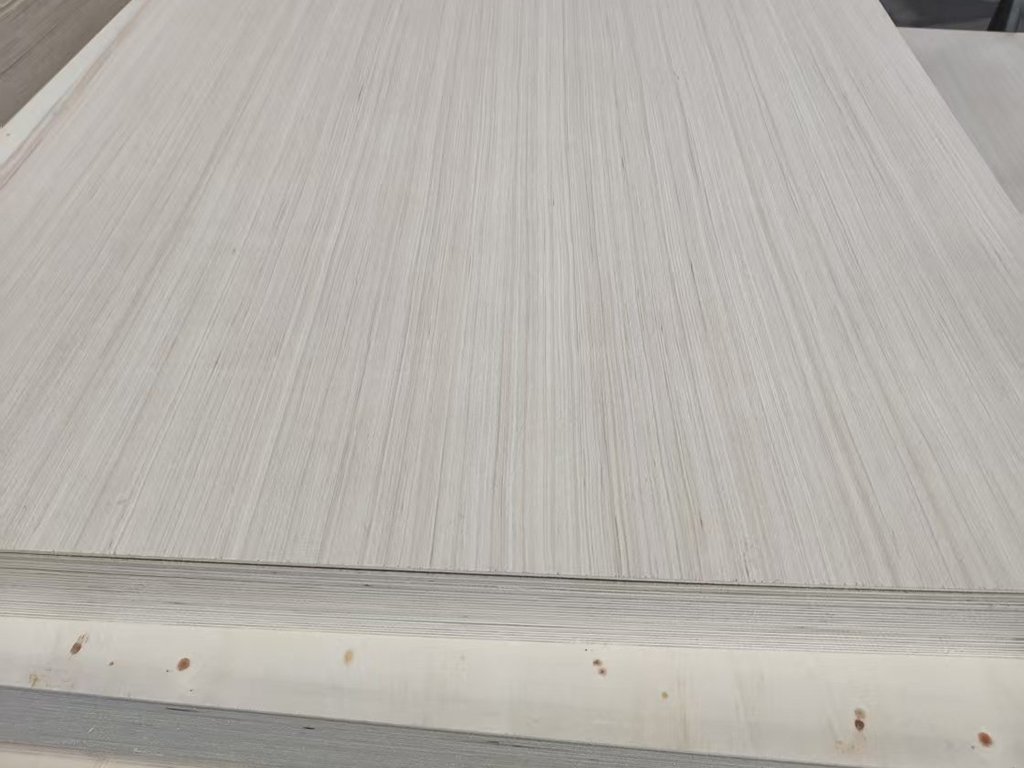
The question of how are plywood made comes up with almost every panel order, because the answer explains the price, the stability, and the grade in one story. Plywood starts as a log and becomes a strong flat sheet through veneer peeling, drying, gluing, and hot pressing, with the veneers laid crosswise so the panel resists warping in every direction. This guide walks the nine steps that turn a round log into a square, sanded sheet.
Once the process makes sense, reading a grade stamp and a product spec becomes far easier.
The crosswise layup is the key trick: each layer runs ninety degrees to its neighbors, which cancels the natural movement of the wood.
Knowing the steps also explains why plywood costs what it costs and why different sheets behave so differently in the workshop.
The nine steps also explain why two sheets of the same thickness can differ in weight and stiffness, because the veneer quality and the ply count vary below the surface.
Builders who understand the nine steps spot the difference between a quality sheet and a budget one long before the price list appears.
Plywood starts with round, straight logs of selected species. Softwoods such as pine and spruce make the common market sheet, while hardwoods such as birch and poplar bring strength or a fine face to premium panels.
First, the mill sorts logs by species, diameter, and condition. Knots, rot, and bends reduce the veneer yield, so the sorting decides both the quality of the sheet and the amount of waste at the start.
The logs then sit in a warming bath or steam chamber. The heat softens the wood, which lets the peeling knife cut an unbroken ribbon instead of tearing the fibers.
Straight, clean logs yield the long faces that become the premium sheet, while shorter or knottier timber feeds the economy plies in the middle of the panel.
Moisture content at the start shapes the whole line. Logs that arrive uniformly seasoned peel and dry consistently, while wet timber slows the line and strains the dryers.
Species choice also sets the face character, so a birch face and a pine face of the same grade still look and sand differently.
Some mills take logs straight from certified forests and sort the certificate with the batch, so the green paper trail starts at the log deck.
A rotary lathe spins the log against a long blade and peels the wood into a continuous veneer ribbon, much like unwinding a roll of paper. The ribbon then passes through a clipper that cuts it into manageable sheets by width.
Consequently, the log yields its full face as one long sheet, which is why plywood faces show no saw marks and hold together across the width. The peeling thickness sets the ply count, so thinner veneers on the same sheet produce more plies and a stiffer result.
The clipper trims damaged sections at the same pass, pulling out knots and splits before they reach the drying line.
However, the cutting leaves a round core behind. Mills use the core for smaller veneers or chips, which feeds the waste-reduction story that modern green labels promote.
The peeling speed and blade angle set the veneer thickness tolerances, so the operator balances output against a consistent ribbon that the clipper trusts.
The veneer ribbon also feeds special faces at the same pass, so a mill produces decorative and film surfaces from one log without a second line.
Fresh veneer carries heavy moisture, so the sheets pass through a dryer that pulls the water down to a stable level. Veneer that dries unevenly warps and curls, so the dryer control sets the flatness of the final panel.
Furthermore, the dried veneer moves to the grading line, where sorters read the faces for knots, splits, and color. Clean veneers head to the high grades, patchable ones get repairs, and damaged sheets drop to the economy plies.
The repaired sheets then take filler or small patches, which smooth the face before gluing. This is the point where the grade ladder begins to set prices.
The balance between drying speed and drying evenness stays the quiet challenge of the whole line, because a sheet that dries crooked never fully flattens in the press.
Grading after drying also catches the color shifts, because matching faces within one panel keeps the finished sheet uniform across its width.
Repair and patching lines run fast, yet the grade stamp still names the repair level, so a buyer checking the face finds exactly what the letter promises.
Drying also sets the final thickness reading, because a moisture-stable veneer sands to a true dimension and holds it through the press.
The panels take shape when workers stack the veneers with glue between each layer. The builder alternates the grain direction so each veneer lies at a right angle to its neighbor, which cancels shrinkage and stops the sheet from warping along one axis.
As a result, an odd number of plies keeps the panel balanced, with a mirror image on both sides of the center. Cross-grain strength, not solid wood, gives plywood its famous stability.
The finished layup often carries a decorative or durable face veneer on top, which later becomes the melamine or film surface the buyer sees.
Glue spread and pressing time vary by bond class, so exterior and marine sheets run a different recipe from the interior standard.
Adhesive applicators spread the glue evenly by weight, and the line checks coverage so a dry patch never reaches the press unbonded.
The pre-press also lets the line stack several panels at once, which feeds the hot press continuously and keeps the production rate steady across the shift.
Balanced panels matter on the layup line as well. Odd ply counts keep the sheet balanced, and the crew builds the stack in mirror pairs so the press closes the panel flat.
More plies in the same thickness generally mean a stronger, flatter panel, while fewer plies stay cheaper but bend more. Reading the ply count tells more about a sheet than its price alone.
The stacked panel enters a cold pre-press that holds the assembly together, then moves into a hot press. Heat cures the glue while pressure bonds the veneers into one solid sheet. Pressing time and temperature set the bond quality, because a short or cool press leaves the glue weak and the panel prone to delamination in damp service.
In contrast, once the panel releases from the press, it passes a trim saw that cuts it to exact size, then a sander that smooths both faces. The sanding lifts surface fibers and leaves the sheet ready for finishing or lamination.
The last stop is the quality line, where inspectors check thickness, face quality, moisture, and glue performance. Sheets that pass receive the grade stamp and the product label that the buyer reads at the yard.
Grading and packaging go hand in hand. Bundles carry load stickers that state the count and the grade, so a full order checks against the paperwork without unstacking every sheet.
The sanding stage also prepares panels for lamination, because a flat, dust-free face receives the film or melamine overlay that premium sheets carry.
However, the production variety shows in the finished catalog. A film-faced sheet such as Film Faced Plywood carries a pressed overlay for wet and forming work, a general-purpose Commercial Plywood grade serves covered construction, and a pre-finished sheet such as Melamine Plywood leaves the line ready for furniture surfaces.
Suppliers such as HYY ship panels with the grade line printed on the delivery, so the buyer receives the sheet the process intended to make.
That written line ties the mill steps back to the warehouse shelf, which is why a sheet bought with the process in mind rarely surprises the buyer later.
Fast answers to the manufacturing questions that come up on quotes.
The thin layers, laid crosswise, cancel each other’s movement and deliver flat, stable strength. The thickness of each veneer sets the ply count for the sheet thickness.
In panel form, yes for flat spans, because the cross-ply layup spreads the load both ways and resists splitting. Solid wood still wins for carving and heavy point load paths.
The mill cycle from log to finished sheet finishes in hours, though the logs soak and dry beforehand. The process runs continuously on production lines.
The glue bond, not the wood. Exterior-rated glue survives wet-dry cycling, while a film face adds a surface barrier. Moisture resistance starts at the adhesive.
Logs yield more flat area as peeled veneer than as sawn planks, and mills recover small cores and offcuts. Better yield means lower material cost per square meter.