Our Location
5th Floor, Huake Center, Lanshan District, Linyi City, Shandong Province, China

5th Floor, Huake Center, Lanshan District, Linyi City, Shandong Province, China
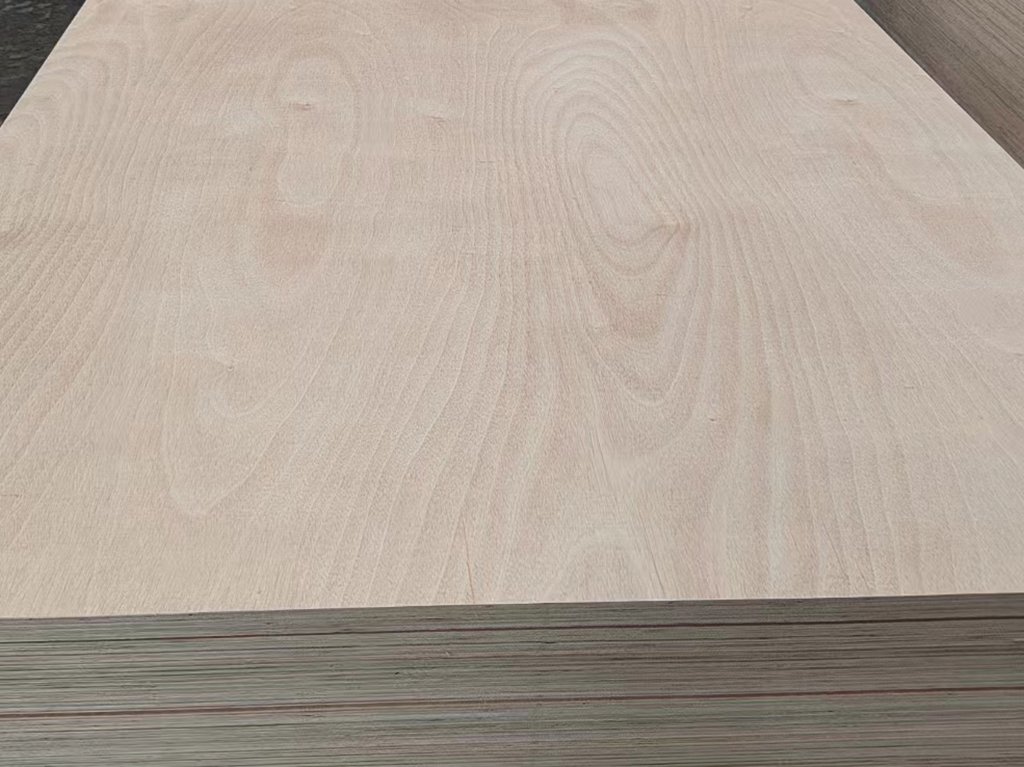
H&G plywood names the sheets most households reach for in home and garden projects, from simple shelving to raised beds, planters, and sheds. The projects mix indoor and outdoor use, which means the panel needs a bond and a face chosen for weather as well as looks. This guide compares the common choices, explains what lasts outside, and shows how to finish the panel so the project survives its first season.
The same sheet rarely serves both a dry shelf and a rain-soaked planter, so the first step is matching the panel to the site.
Home builders discover quickly that an interior sheet in the garden rots from the inside, which makes the bond the first line of the decision.
Most garden builds succeed or fail on this one choice, because the weather tests the glue line long before the paint fails.
The same choosing rule carries into retail garden furniture, where a sheet chosen for weather returns less warranty work than one chosen for looks alone.
Prices also differ by grade, so the honest buy pairs the visible face with the bond the site demands and spends none of the budget on a premium face hidden in a soil box.
Indoor projects live in a controlled climate, so the sheet fights moisture rarely and finishes mild wear. Garden projects face rain, frost, sun, and ground contact, which attack the edge grain and the glue line with far more force.
Consequently, the outdoor panel needs an exterior bond that holds through wetting and drying, while the indoor sheet only needs a sound face and a clean cut. Mixing the two sends a fine furniture-grade panel into a job it was never built for.
Each group sets its own bond and face requirement, so the first check names the exposure before it names the sheet.
Furthermore, garden projects also see temperature swings that indoor parts never meet. Frost and summer heat work the panel edges, which is why edge sealing on outdoor sheets deserves the same care as the face itself.
Seasonal planning also decides the sheet. A build finished before the wet season gets a full cure on its finish, while one rushed into autumn weather starts its service half-protected.
Garden projects also deliver the biggest payoff for the green checklist, because a lasting outdoor panel avoids one replacement in plain sight of the neighbors.
The bond decides survival. Exterior-rated glue survives wet-dry cycling, while an interior bond fails within a wet season. Look for an exterior mark or a marine grade where the panel sits in weather, and accept nothing less for any exposed garden part.
However, the face matters too. A smooth face seals and drains well, while a rough face holds moisture and stains faster. For planters and furniture that show, a firmer faced panel slows the weathering and simplifies the finish.
First, match the bond to the exposure before choosing the face. The bond keeps the panel whole, while the face wins the race against rot only after the bond holds.
The thickness follows the load as well. A raised bed wall takes a heavier sheet than a planter liner, and a shed floor outweighs a shelf, so the sheet size answers the structure rather than the style.
Edge-sealing kits and painter’s finish rules follow the same product line, so the buyer chooses the panel and its protection in one step instead of two.
A firmer face also resists tool marks and scratch damage during assembly, which keeps a planter looking clean after the drill and the clamps leave.
Cedar-like appearance panels tempt many builders, but the bond and the seal rate decide the outdoor life, not the warm color of the surface.
Planters and garden furniture soak up the most weather, so they deserve the exterior bond and a generous finish. A raised bed with an interior sheet delaminates within two years, while an exterior sheet with sealed edges runs a long service life.
As a result, a sealed construction sheet such as Film Faced Plywood carries a tough overlay that shrugs off moisture and cleaning, which suits planters and outdoor seating that face direct weather.
Furthermore, keep standing panels off wet ground. Feet, gravel, and a ventilated gap stop the wicking that eats the bottom edge faster than the face.
For planters holding soil, line the inside or keep the soil back from the panel face, because wet soil holds moisture against the wood all season long.
Fastener choice joins the panel. Stainless or coated screws hold against weather where bright zinc stains and fails, so the hardware line matches the exterior claim.
Legs and bases that sit off the ground open a ventilation gap under the panel, which dries the underside between watering and rain events.
A planter also drains better with holes above the base line, which keeps standing water off the panel edges and away from the glue line.
Painting raised beds in light colors also eases summer heat on the panel, which slows the drying and cracking that dark surfaces invite.
Sheds and storage buildings blend structure with shelter. The frame and the inner wall take a general-duty panel, while the weather-facing skin needs the exterior bond or a separate weather barrier.
In contrast, stored tools and containers add weight, so the shelving inside wants a firmer sheet with strong screw hold. A general-purpose Commercial Plywood grade carries the framing and the shelves well at a sensible price.
Additionally, the floor of a shed sits closest to damp ground, so seal, raise it, or choose the exterior sheet for that one panel even when the rest of the build runs on the standard grade.
Finally, vent the shed so panels dry between weather spells. Stagnant air inside a closed building keeps the timber damp and feeds the mold that a well-vented shed avoids.
Roof coverings and wall linings add their own moisture layer, so the panel behind them gains from a damp-proof course at the sill and a ventilated ridge.
A shrub and small-tool shed rarely needs premium panels, so the budget stays flat while the structure earns the exterior bond where weather arrives.
Floors, shelves, and wall panels each draw a different thickness, so the shed plan names the sheet per part instead of one blanket panel for the build.
Finishing turns a bare sheet into a lasting one. Seal the edges first, because the end grain drinks moisture faster than the face, then apply an exterior-rated paint, stain, or oil and renew it each season.
However, no finish replaces the right bond. A finished interior sheet still fails from within, so the finish extends a good sheet rather than saving a bad one.
For interior furniture parts around the home, a pre-finished Melamine Plywood sheet delivers a clean face out of the box, which saves the painting step inside.
Suppliers such as HYY quote home and garden panels against a written bond and face spec, so a planter and its shed mates arrive on matching sheets that fit the same finishing plan.
Recoating schedules follow the exposure, not the calendar alone. A south-facing planter may need two coats a year, while a sheltered shelf edge runs on one.
Undercoats and primers seal the face before the top coat, and a sanded mid-coat keeps the film even where the panel faces direct sun all day.
A tidy edges-first routine saves the biggest moisture entry point, and it keeps each panel’s end grain sealed long after the faces dull and fade.
Brief answers to the home and garden questions that decide most builds.
Only with the exterior bond and a full finish. An interior sheet rots within a season, so choose an exterior face and seal the edges before assembly.
An exterior-bond sheet with sealed edges and an annual recoat can last years, while an untreated interior sheet fails well before that. Ground contact shortens either life.
Keep the floor raised and dry, seal the cut edges, and finish the surfaces. Vent the shed so the panels dry between weather spells.
Rarely. A good exterior or film-faced sheet with a finish covers most garden duty, while marine plywood suits boats and constant immersion.
An exterior-bond panel with a smooth faced finish, sealed and painted. The film-faced or overlaid sheets hold up well where the furniture faces direct weather.