Our Location
5th Floor, Huake Center, Lanshan District, Linyi City, Shandong Province, China

5th Floor, Huake Center, Lanshan District, Linyi City, Shandong Province, China
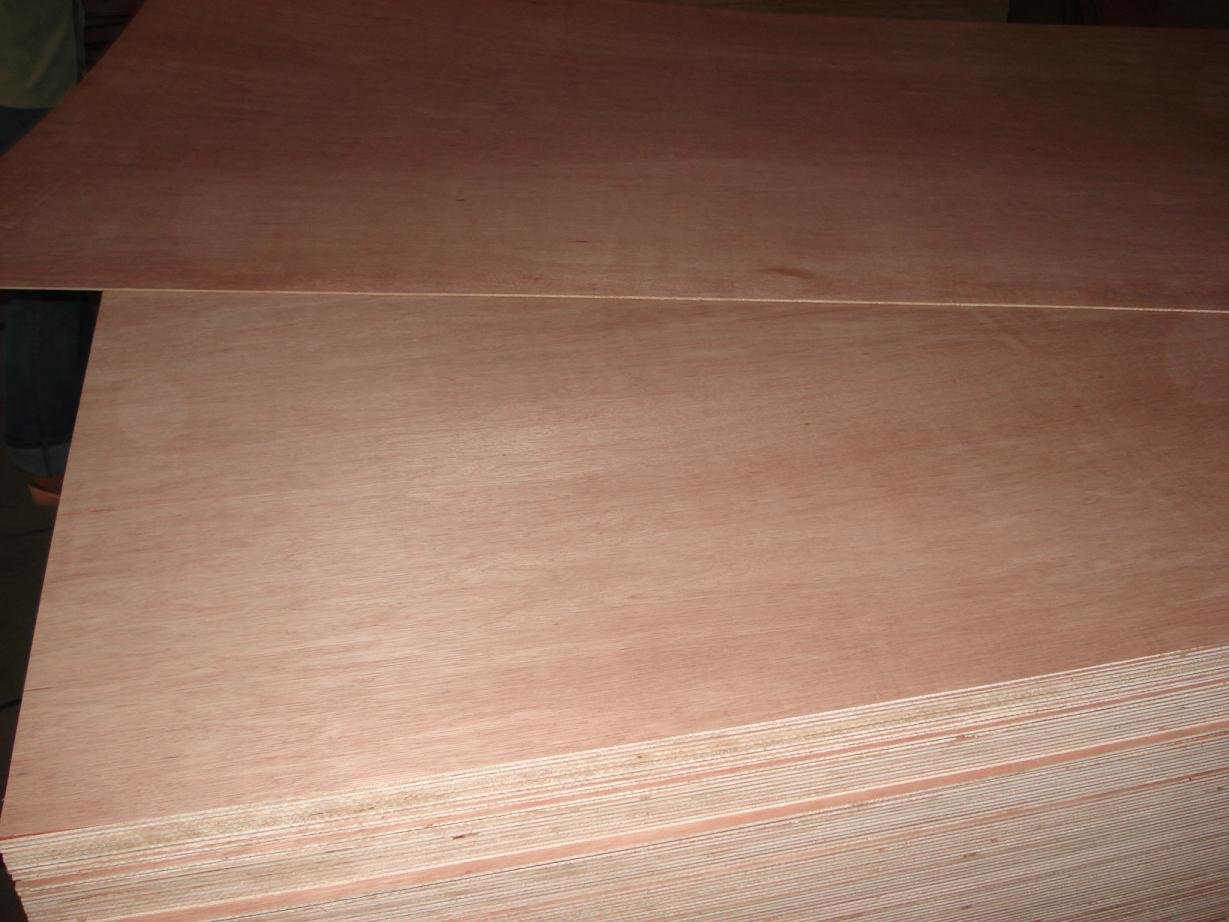
Plywood gator names a heavy overlay-faced panel that shops reach for when a form must release clean and come back for the next pour. The name travels with a tough surface that shrugs off water and abrasion, and it lasts across many uses. This guide explains what a gator-style panel is, why the surface holds up, and how a buyer checks the sheet before it goes on the form.
A plywood gator panel is a plywood core faced with a hard overlay resin that cures into a slick, wear-resistant skin. The core carries the load, and the overlay does the work on the surface, so the two together form a panel that releases concrete and resists water better than a bare sheet. The overlay, not the wood, earns the gator name and the price.
The build includes a few key parts:
High-density overlay names the toughest face, the skin a forming crew wants for many pours. A medium overlay holds a softer finish and suits a job that needs fewer reuses. A buyer who reads the face class orders the right panel instead of paying for more surface than the form will use.
Consequently, the panel serves the forming trade first. A slab, a wall, and a column all prize a face that releases clean and a core that holds the pressure. The gator panel meets that need, and the buyer who plans the reuse count picks the face class to match it.
The name travels across suppliers, so a buyer treats gator as a face class rather than one fixed brand. Two panels that carry the mark can differ in core, bond, and thickness, so the spec sheet, not the logo, tells the buyer what the sheet will do on the form. Read the face class and the bond on the label before the order, and confirm both with the supplier on the sample.
The overlay lasts because the resin seals the wood from the water that ruins a bare panel. Concrete carries water and alkali, and a bare face soaks both, which lifts the grain and leaves a rough print on the pour. The overlay blocks that water and keeps the face smooth across many uses.
The surface wins on three fronts:
| Property | What it does |
|---|---|
| Water resistance | Blocks soak and grain lift |
| Abrasion resistance | Shrugs off the pour and the clean-down |
| Release quality | Leaves a smooth, even face |
Furthermore, the release quality saves labor. A face that lets the form strip clean needs less patching and less rubbing on the wall, so the crew spends its hours on the next lift. That saving stacks across a tall building and often pays the premium on the panel before the job ends.
However, the overlay has a limit. A cut edge opens the core to water, and a panel with an unsealed edge swells and fails at the rim first. A crew that seals the cut edges and oils the face between pours extends the life of the sheet and protects the class the buyer paid for.
In contrast, a thin overlay wears through after a few pours and exposes the wood, which then prints on the concrete. A buyer who plans a long reuse run picks the high-density face, while a buyer who plans a short run saves money on a lighter face.
The right panel follows from the reuse count and the finish the wall needs. A buyer who knows how many times the form will run picks the face class to match, and the choice keeps both the cost and the finish where the job wants them.
| Job | Reuse | Face to pick |
|---|---|---|
| Single slab | Low | Light overlay or bare sheet |
| Repeated walls | Medium | Medium overlay |
| High-rise lifts | High | High-density overlay |
| Fair-face wall | Any | Smooth high-density face |
Consequently, the reuse count sets the spend. A buyer who needs one clean face on a single slab gains little from a top-class overlay, while a buyer who runs the same form twenty times loses money on a thin face that fails at pour eight. Match the face to the run, and the panel pays for itself.
Next, the finish drives the class as much as the reuse. A fair-face wall shows every mark, so the buyer picks the smoothest overlay and keeps the face clean between pours. A wall that takes a render covers a rougher face, which lets the buyer save on the surface without a loss on the job.
Therefore, weigh the reuse and the finish together. A buyer who pairs a long run with a fair-face finish needs the top face, while a buyer who pairs a short run with a covered wall needs only a basic sheet. The pair, not the panel alone, sets the value.
A short check on arrival protects the form and the wall, and it takes only a few minutes per stack. The goal is to catch a split edge, a soft core, or a worn face before the panel goes onto the form and the concrete locks in the fault.
Run through a short list:
In contrast, a panel that passes the eye test can still hide a weak bond, and the soak sample exposes it. A buyer who trusts the label alone may miss a batch that fails the water test and prints on the pour. The sample settles the question in an afternoon.
Furthermore, seal every cut edge before the first pour. The seal closes the path water uses to reach the core, and it protects the life of the face across the run. A crew that seals the edges and oils the face twice per run keeps the panel in service far longer than one that skips the step.
Finally, store the panels flat and dry between pours. A stack left on wet ground soaks the bottom sheet and ruins the face, while a stack on dunnage stays true and ready. The storage habit protects the panel the same way the overlay protects the core.
The order needs a clear face class, a weather bond, and a gauge that fits the form, and the buyer who names all three gets the panel the job needs. A vague order invites a lighter face or a dry bond, and the gap shows up at the first strip.
For a reusable, water-resistant forming sheet, Film Faced Plywood gives the slick release face and the weather bond that a slab and a wall demand. For general forming and blocking that sees less water, Commercial Plywood covers the build at a lower cost. For a smooth, sealed non-forming part, MDF Board offers a flat face at a fair figure.
Furthermore, ask the supplier to name the face class, the bond, and the edge treatment on the order. A supplier who answers with a spec, not a slogan, gives the buyer a panel to hold to the drawing. A buyer who confirms those three fields avoids the return that a soft face or a dry bond would force.
A supplier such as HYY quotes the forming panel with the face class and the bond on the same sheet, so the buyer orders the reuse the form needs. The right spec keeps the strip clean, the wall smooth, and the reuse count as high as the job planned.
The questions below come up on every forming job, and each has a short answer.
It names a plywood core faced with a hard overlay resin. The tough face releases concrete and resists water across many pours.
That depends on the face class and the care. A high-density face lasts many pours, and a thin face lasts a few before it wears through.
Yes. An open edge lets water into the core and swells the panel, so seal every cut before the first pour.
A light release oil keeps the face clean and lengthens the run. Wipe it on between pours and store the stack dry.
Name the face class, the bond, and the gauge on the order, and check the label and a soaked sample on arrival.