Our Location
5th Floor, Huake Center, Lanshan District, Linyi City, Shandong Province, China

5th Floor, Huake Center, Lanshan District, Linyi City, Shandong Province, China
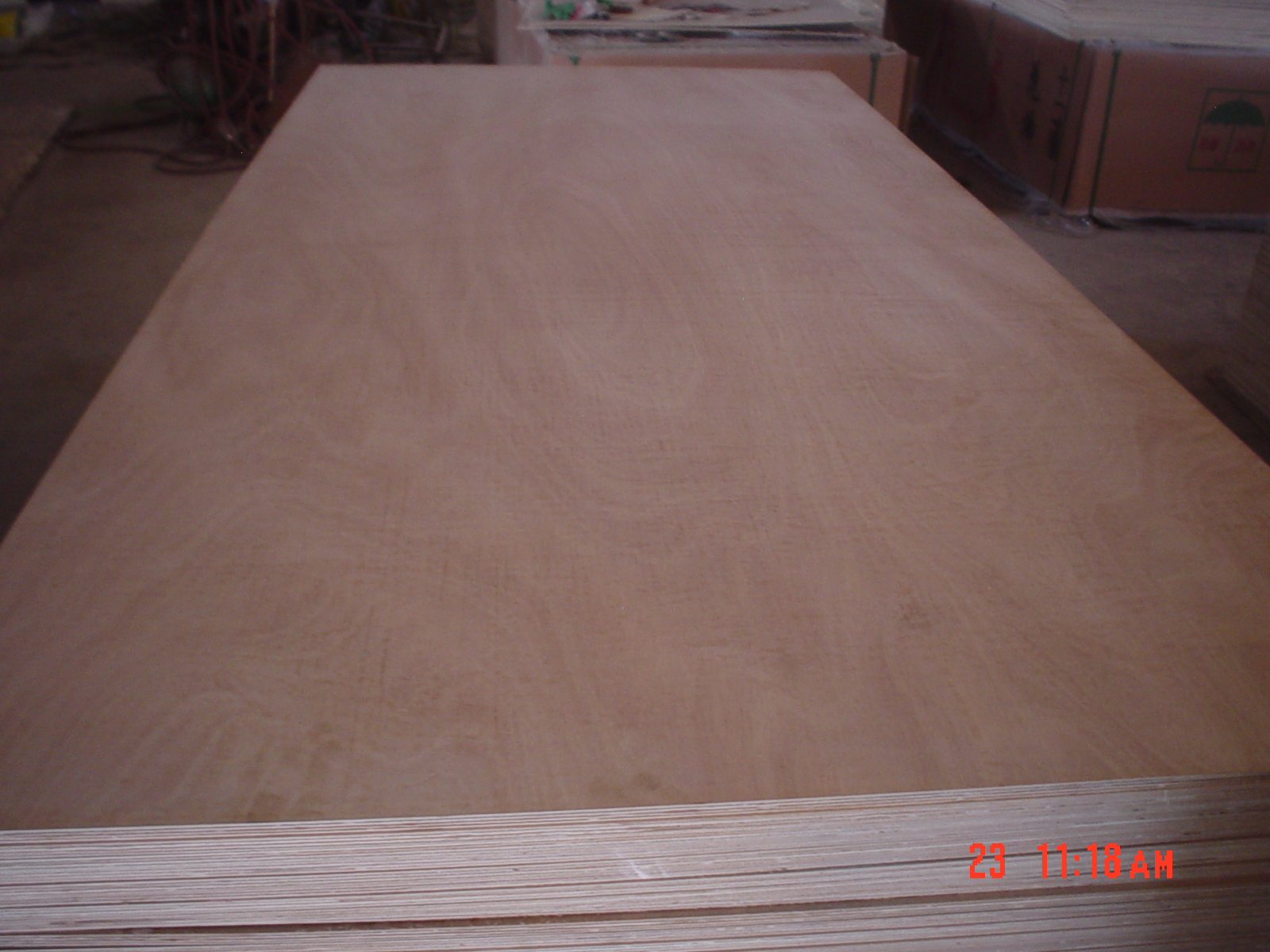
Buyers who search for plywood b&q 12mm usually want one answer: does the mid-size sheet match their job, and how does it compare to a direct order? A 12mm panel works as the general-purpose workhorse of the retail range. It stays stiff enough for shelves and jigs yet light enough for one person to carry, and its price makes it the safe default. This guide covers span behavior, cost structure, and the fastest way to test the specification before volume.
A 12mm softwood plywood sheet from a typical UK yard measures 2440 by 1220mm and handles most interior framing. It bends less than a 9mm panel across the same span and stays light enough to manage alone. Builders use it for shelving, worktops, drawer carcasses, and temporary jigs.
The mm figure alone does not name the grade, because the retail stack mixes bond, core, and face. A buyer who orders a 12mm sheet for a damp site should check the bond class on the stamp before paying. In simple terms, stiffness measures how well the panel resists bending, while stability measures how well it keeps its shape as moisture changes.
| Gauge | Weight feel | Span behavior | Typical role |
|---|---|---|---|
| 9mm | Light | Bends under sustained weight | Medium interior work |
| 12mm | Balanced | Stiff across a short span | General-purpose panels |
| 18mm | Heavy | Very stiff | Structural framing |
A buyer who compares sheets side by side notices the 12mm bends less than the 9mm and lifts much easier than the 18mm. That balance explains why the gauge sits in the middle of most retail stacks.
The 12mm also suits the mixed loads that come with fixture work. A panel holding brackets, hinges, and cables asks for stiffness rather than raw strength, and the 12mm core holds screw threads well enough that a second fixing rarely follows. Buyers who drill, fill, and drill again find the sheet forgiving.
Load behavior follows a simple rule: the sheet carries more when the frame spacing shrinks. A 12mm panel handles typical interior shelf pitches with margin, and it flexes sooner when the unsupported span grows beyond roughly half a meter.
Deflection, the sag under load, rises sharply as the span grows, so small increases in distance cause outsized sag. Buyers who ignore the frame spacing end up blaming the panel for what the spacing causes.
Books, tools, and small boxes sit safely on a short-span shelf. The sheet stays flat, and the screws hold cleanly on the edges.
A long stretch needs 18mm or a center support. Without support, the 12mm face bows and the wall joints flex under the weight.
Concentrated weight near a free edge stresses the panel far more than a spread load. A foot under the open edge restores the stiffness.
Consequently, the buyer who plans the frame first gets more from a 12mm sheet than the buyer who swaps gauges to fix a sagging shelf.
Fasteners matter as much as spacing. A screw driven close to the edge splits the core, while a screw set slightly in from the edge holds the load. Buyers who dress the edge and pre-drill report fewer splits when the bracket takes a hard pull.
The plywood b&q 12mm price on the shelf includes the retail layer, so the per-sheet figure sits above the mill price for the same gauge. For a handful of sheets the difference stays small in absolute terms.
For a production run the comparison changes. The buyer compares the landed cost per square meter, which bundles freight, duty, and handling into one figure.
The typical 12mm stack in a store carries a budget tier and a structural tier. Buyers who order for indoor furniture take the budget tier, while buyers who hang cabinets or face damp rooms take the stronger bond and the tighter face.
| Job type | Retail pickup | Direct order |
|---|---|---|
| One-off repair | Yes | No |
| Prototype trial | Yes | Yes |
| Monthly production | No | Yes |
The container math favors the middle gauge. A 12mm panel packs densely enough to fill a container with useful square footage, while a thicker sheet carries more weight per square and a thinner one fills the same space with less value. Buyers who plan the mix order the middle gauge in bulk and the extremes in small lots.
Batch size also sets the schedule. The mill needs the order early, and the container needs a booking, so a buyer who works back from the installation date avoids both the rush charge and the gap on site. Planning turns the landed cost into a fixed line instead of a surprise.
Testing starts with one sheet before volume. Buyers gather a retail panel, measure the thickness at four corners, check the edge for voids, and note the bond class. The measurements form the baseline of the order.
Next, the buyer compares that baseline to the mill proposal. A documented spec names the core, the glue, the face, and the tolerance, and the sample shipment should meet all four.
For indoor furniture and cabinetry, Commercial Plywood offers a stable core and a clean face at mill pricing. For painted panels and shelving that face the room, Melamine Plywood adds the smooth overlay that removes a finishing step.
The trial run answers three questions: does the gauge arrive consistently, does the panel stay flat after delivery, and does the price hold for the full volume. Buyers who see these answers before the container order with confidence.
Grading tolerance matters just as much as the surface. A panel that measures 11.2mm at one corner and 12.1mm at another will jam a router or rock on a worktop. The buyer asks the mill for the tolerance range before the sample ships.
The face check finishes the trial. Buyers run a hand across the panel for dents, patch marks, and resin lumps, because a rough face pulls extra sanding time on every part. A sample that paints clean and mills clean holds the whole run together.
Most problems on a 12mm order start with the same three mistakes, and each one shows up before the sheets leave the yard.
The first mistake reads the millimeter as the specification. Two panels that both read 12mm can carry different cores, different faces, and a different bond class, and the buyer who orders by number alone receives a panel that drills, sands, and paints differently than the last batch.
The shelf tier suits a prototype and disappoints a running line. The spec shifts with each restock, and the buyer who repeated a formula for a client sees that part change on the second order. Move the production run to a fixed mill spec after the first sample proves itself.
A low price per sheet hides a soft core and a rough face. Those two defects take time at the bench, and the time costs more than the price difference. Buyers compare the landed cost per square meter instead of the tag.
Consequently, a buyer who keeps the four numbers together, the gauge, the face, the bond, and the tolerance, makes fewer mistakes at the shelf and lands fewer surprises at the dock.
The questions below keep coming up in purchasing reviews, and each has a short answer.
Yes, over short spans. Keep the unsupported width modest and support the edges, and the sheet holds normal house loads.
Only on damp or exposed faces. Indoor edges can stay bare, while edges that meet moisture need a sealer coat.
A standard softwood sheet of this gauge weighs roughly 8 to 9kg, so one person manages it on a flat platform.
Not reliably. Two thin layers too often slip past each other at the joints, so a single 12mm core stiffens the part better.
Only when the job demands nothing more. The lower tier carries more voids and a softer core, which cost time at the router table.
Volume buyers build a small spec sheet for each gauge and keep it with the order file. The sheet lists the core, the bond, the face, and the tolerance, and it travels with the container.
For commercial and residential projects where long-term performance matters, HYY offers engineered stone-coated metal roofing solutions backed by dedicated project support and export experience.