Our Location
5th Floor, Huake Center, Lanshan District, Linyi City, Shandong Province, China

5th Floor, Huake Center, Lanshan District, Linyi City, Shandong Province, China
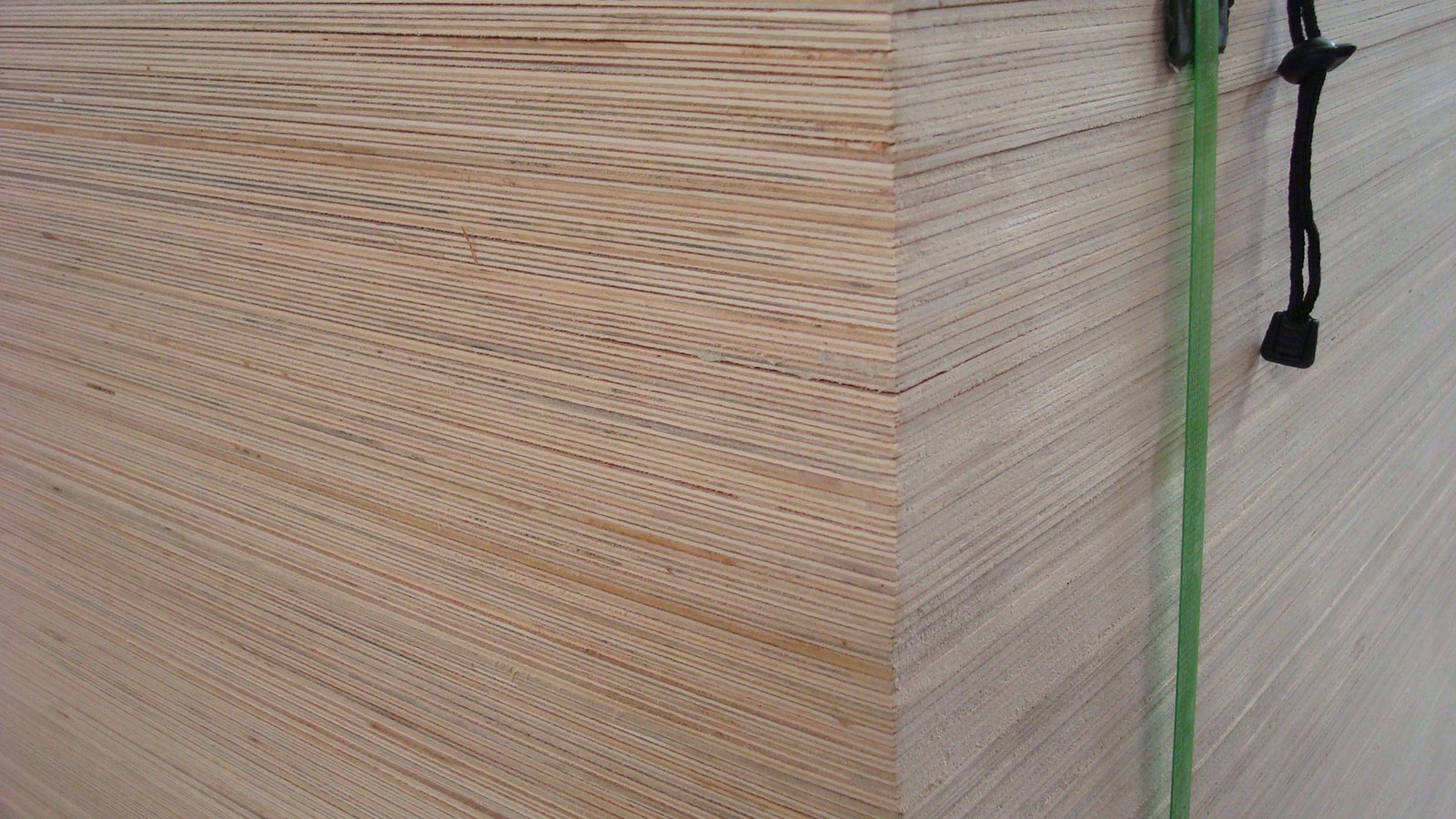
A plywood xmas tree turns a standard sheet into a seasonal product that a shop can build and sell at a fair margin. The project suits an offcut, a simple cut list, and a finish that suits an indoor display. This guide covers the panel choice, the cut plan, the assembly, and how a maker prices the tree for a market.
A plywood tree works best when the panel stays flat and takes a clean edge, because a stable board holds the shape through a season of display. A thin sheet keeps the tree light, while a thicker sheet gives a solid feel that a buyer notices at the market. A maker who plans a set of trees balances the two for a calm, upright stand.
The species and the face also shape the look. A spruce face suits a rustic, painted tree, while a birch face takes a stain that shows the grain. A buyer who wants a smooth painted finish leans toward a panel with a tight face, and one who wants a natural look keeps the grain visible.
A short list guides the pick:
A maker who starts with a Commercial Plywood sheet gets a stable board at a low cost, which suits a first run of trees.
A maker also weighs the weight of a small tree against a large one, because a light panel ships at a lower cost. A crated tree that a buyer can carry home sells faster than one that needs a truck. A maker who plans the panel around the shipping gets the margin right before the paint. A sample unit also shows a buyer the true size on a table, and a maker who packs two trees to a box cuts the freight per unit.
The cut plan turns a four-by-eight sheet into a stack of tree shapes, and a tight nest lowers the waste. A maker who draws the parts on a full sheet sees how many trees fit before the saw starts. A simple design uses two identical sides, a center slot, and a base, so the parts nest along the grain and leave little scrap.
| Part | Size | Per tree |
|---|---|---|
| Tree side | 18 x 30 in | 2 |
| Center slot | 2 x 12 in | 1 |
| Base | 10 x 10 in | 1 |
| Star | 5 x 5 in | 1 |
Furthermore, a maker who stacks the sides in pairs cuts both halves in one pass, which keeps the slots aligned. A batch of ten trees fits on a few sheets when the nest runs tight, and the offcuts feed a smaller ornament line.
Consequently, the layout decides the profit before the first paint, because a loose nest burns sheets that a tight one saves.
A maker who nests the parts on a table first sees the waste before the saw runs. A paper cutout of each part, moved across a full sheet, shows how many fit and where the offcut lands. That step takes minutes and saves a sheet on a run. A tight nest also keeps the parts aligned to the grain, which holds the look, and a maker who repeats the layout for a batch cuts the same way every time.
Assembly locks the two sides through a center slot, so the tree stands without glue and folds flat for storage. A maker who cuts the slot to the panel gauge gets a snug join that holds the shape. A base cross adds stability at the foot, and a small star tops the shape.
Next, the maker sands the edges and seals the faces. A painted tree takes a primer and two topcoats, while a stained tree takes a clear coat that protects the grain. A buyer who displays the tree near a light wants a finish that resists fading, so a coat with UV protection earns its cost.
Finally, the maker checks the stand and the balance. A tree that leans on a table fails at the market, while a level one sells on sight. A maker who tests the first unit before a run avoids a costly fix across the batch.
A maker also chooses the join for the target buyer. A slotted tree folds flat and ships in a thin box, while a glued tree stands ready and skips the assembly. A market buyer often picks the fold-flat unit, which fits a car and stores in a closet. A maker who offers both covers two buyers from one panel, and that choice sets the packing cost and the shelf space.
A market buyer picks a tree by size first, so a maker builds a small, a medium, and a large to cover the table. A small tree sits on a desk or a counter, while a large one stands on a floor or a porch. In contrast, a tabletop tree repeats a theme and sells in pairs.
Style also drives the sale. A rustic tree with a rough edge suits a craft market, while a painted tree with a clean line suits a home store. A buyer who wants a modern look picks a plain shape, and one who wants a festive look picks a tree with a layered branch pattern.
A distinctive face helps a maker stand out. A builder who orders a Melamine Plywood panel gets a pre-finished skin that resists moisture, which suits a tree that stays up through a wet winter near a door.
A maker also watches the season, because a tree sells hardest in the weeks before the holiday. A run that lands too late meets a full market, while one that lands early rides the first wave. A maker who builds in the autumn stocks the shelf before the rush. A simple schedule keeps the paint and the packing ahead of demand, and a maker who tests a new style in a small batch learns what sells before a full run.
Price follows the panel cost, the labor, and the finish, so a maker tracks each tree against the hour and the sheet. A simple unpainted tree carries a low cost, while a painted set with a star adds labor and material. A maker who times the first unit sets a rate that covers the work and a fair margin.
Furthermore, a production run spreads the setup across many units, which lowers the cost per tree. A batch of twenty trees uses the same drawings and the same paint mix, so the labor per unit drops. However, a maker who overbuilds a slow style ties up cash and shelf space, so a run should follow a real order or a proven market.
A steady supply ties the run together. A panel supplier such as HYY keeps the common gauges in stock, so a maker can scale a run to the demand without a long wait.
A maker also tracks the sheet count against the sale, because one extra tree per sheet lifts the margin on every unit. A layout that fits four trees where the first plan fit three pays for the effort in one run. A maker who measures the yield per sheet sets the price from a real number rather than a guess, and that number guides the panel order for the next season.
Q: What plywood works best for a Christmas tree?
A: A six to twelve millimeter panel with a tight face suits most trees, because it stays flat and takes paint or stain.
Q: How many trees fit on one sheet?
A: A tight nest of small trees fits several pairs per sheet, while a large tree uses most of one panel.
Q: Do I need a finish for an indoor tree?
A: A sealed or painted face protects the panel and holds up better through a humid season.
Q: Can I sell a flat-pack tree?
A: Yes, a slotted design folds flat, which eases shipping and storage for a buyer.
Q: What finish holds up longest?
A: A sealed or painted face with a UV coat keeps its color through a season near a bright window.
Q: What size tree sells best?
A: A tabletop tree sells in pairs, while a floor tree anchors a display, so a maker builds both.
Q: How thick should the panel be?
A: A nine millimeter panel suits most trees, and a twelve millimeter panel adds a sturdier feel for a floor model.
Q: Can a buyer paint the tree at home?
A: A sealed tree takes a topcoat, and a maker can ship it bare for a buyer who wants a custom color.