Our Location
5th Floor, Huake Center, Lanshan District, Linyi City, Shandong Province, China

5th Floor, Huake Center, Lanshan District, Linyi City, Shandong Province, China
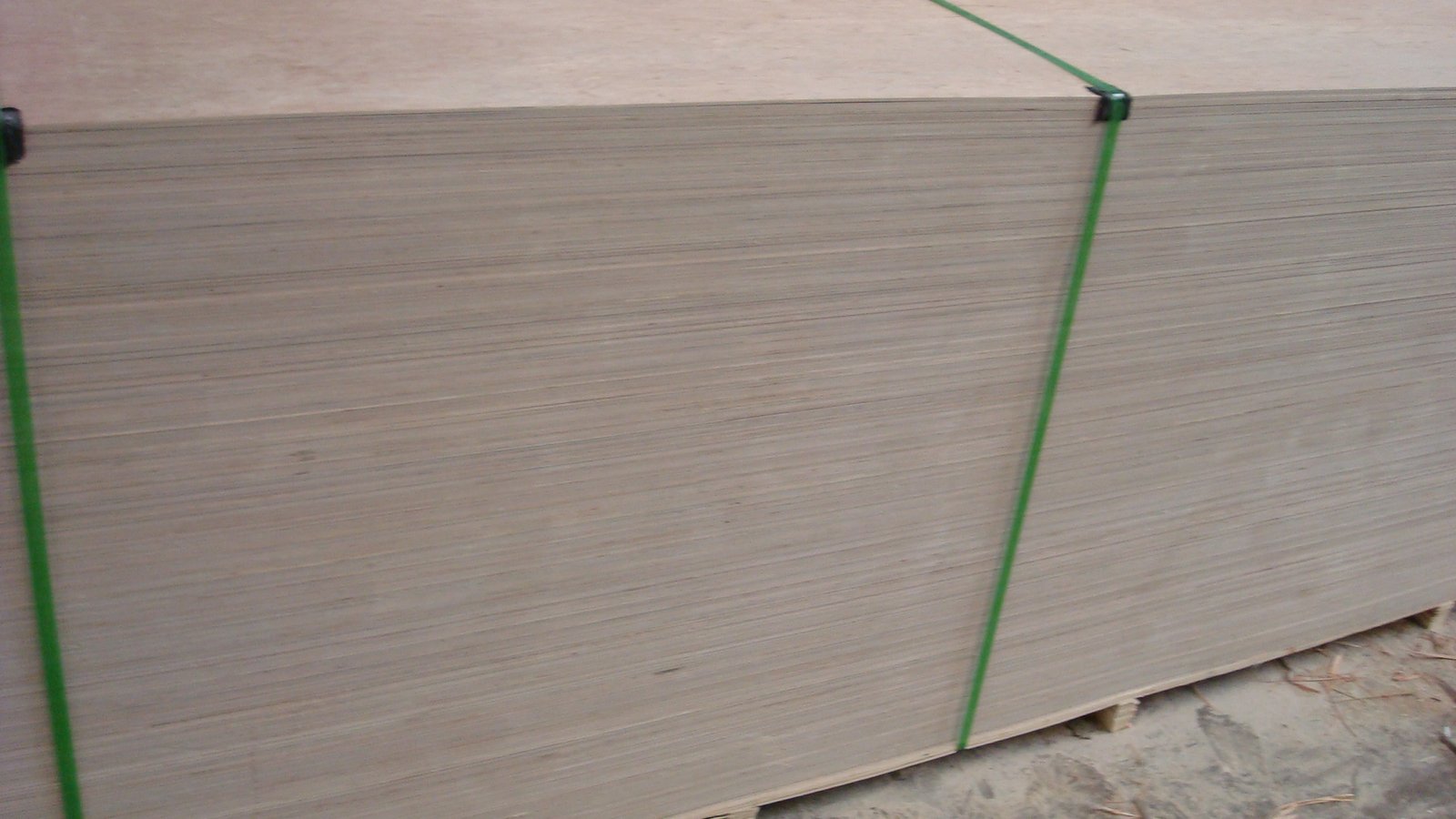
Plywood xl bygg names a panel a buyer sources through the XL Bygg chain, a Nordic network with a local yard and metric sheets ready on the shelf. The chain keeps spruce and birch sheets in common gauges, and it serves a trade and a homeowner account at one counter. This guide covers what the chain stocks, how the metric sizes map to a build, and how a buyer plans an order.
XL Bygg is a Nordic building chain, and each local dealer trades under that shared flag, so a buyer reaches a counter or a trade desk without a container wait. The network links many independent yards to a common supply line, which keeps a standard panel in stock across Sweden and Norway. The floor carries spruce and birch plywood in the gauges that a northern build uses, and it adds a sheathing panel for a deck and a form panel for a pour.
The chain keeps a tight list:
A buyer who needs a single sheet for a repair finds it on the floor, while one who plans a house orders a pallet through the trade desk. Both paths run through the same yard, so the buyer keeps a local contact for the life of the job.
A buyer who needs a rare gauge can order through the chain and pick it up at the local yard, which saves a long drive. The network moves stock between dealers, so a panel that misses one store often sits in the next town. That reach turns a chain counter into a wider shelf than the floor shows at a glance. A buyer who plans a house can also reserve stock before the season peak.
A Nordic yard sells in metric, so the standard panel reads 1220 by 2440 millimeters, and the gauge list runs in even steps. A buyer who works from a Norwegian or a Swedish drawing names the size in millimeters and skips the imperial step. The grade follows the wood, where spruce carries a light face and birch carries a dense, pale core.
Spruce plywood names a panel of spruce veneer, and it suits a hidden or a painted part. Birch plywood names a panel of birch veneer, and it takes a clear coat on a visible surface. A buyer who matches the species to the finish gets the look without a surprise.
| Panel | Common size | Typical use |
|---|---|---|
| Spruce sheathing | 1220 x 2440 mm | Wall, roof base |
| Birch plywood | 1220 x 2440 mm | Cabinet, furniture |
| Film faced | 1220 x 2440 mm | Concrete form |
| Thin birch | 1220 x 2440 mm | Backing, crafts |
A buyer who confirms the species and the gauge in one message keeps the order simple, because the yard fills a metric spec without a second call.
A gauge also follows the span, so a floor panel runs thicker than a wall panel on the same build. A buyer who works from a Norwegian or a Swedish drawing sees the gauge named in millimeters with a tolerance, which keeps the order clear. A yard can also cut a panel to a metric size on request, so a custom trim needs no separate shop. A buyer who names the span and the exposure gets the right sheet in one step.
A northern build faces a wet, cold season, so the panel must hold up under snow and rain. A sheathing panel takes a spruce face and a weather-resistant glue, while an interior case takes a drier panel with a smoother face. A buyer who reads the exposure first picks the right board in one pass.
First, the buyer names the exposure. Next, the buyer matches the species to the finish. Finally, the buyer sets the gauge for the load. That order keeps a wet job off a dry panel and a dry job off an overbuilt one.
A form job that pours a wall in cold weather calls for a panel that sheds the mix and holds a smooth face, so a buyer leans toward a Film Faced Plywood that carries a resin coat. An interior case that wants a finished face moves to a Melamine Plywood that skips the paint step altogether.
A roof or a floor also takes a stiffer panel than a wall, so the gauge climbs with the span. A buyer who plans the structure first picks the panel without a guess, and the local yard fills the metric size without a special order. As a result, a Nordic build runs on a small set of gauges that cover the whole frame. A buyer who asks for a metric cut gets a panel ready for the frame, and that short list keeps the stock and the budget under control.
A trade account opens a lower price and a wider list, while a retail buyer pays a counter rate for a single sheet. The chain runs both lanes at one yard, so a small builder can start on a retail ticket and move to a trade deal after a few orders. Meanwhile, a full-time crew opens a trade account and buys at a rate that suits a run.
A trade buyer also earns a delivery slot and a credit line, which keeps a site moving when cash is tight. However, a trade account demands a valid registration and a steady volume, so a one-off buyer gains little from it.
A simple split guides the choice:
A buyer who plans the account before the busy season avoids a delay at the desk when the yard fills with orders.
A trade buyer also gets a hold on stock before a busy week, while a retail buyer takes the shelf as it stands. A small builder who orders a full house often moves to a project price, which sits below the retail rate and above a single-sheet deal. That middle lane suits a job that runs for a season. A buyer who names the volume at the start earns the right lane, and that split keeps a small job simple and a large job cheap.
An order runs through the local dealer, so a buyer contacts the yard that holds the account and names the size, the species, and the gauge. A clear spec lets the desk pull the panel from stock or place it on the next truck. A buyer who adds the site address and the date gets a slot that suits the crew.
Furthermore, a buyer who groups the panels into one order pays less per sheet, because the yard loads a mixed stack on one run. A panel house such as HYY supplies the common gauges that sit behind a chain order, so a buyer can match a local pickup with a bulk delivery for the larger volumes.
Consequently, a buyer keeps a running list through the season, which lets the yard hold the common sizes and ship the rare ones on a slower lane.
A buyer who orders early also beats the winter rush, when the yard sells out of the common gauges. A standing order holds a slot on the weekly truck, so the panels arrive before the crew needs them. That habit keeps a Nordic site moving through a short building season, and a buyer who confirms the date and the address avoids a missed drop.
Q: Does XL Bygg stock plywood on the shelf?
A: Most dealers keep common spruce and birch gauges on the floor, and they order the rare sizes through the trade desk.
Q: What size panel does a Nordic yard sell?
A: The standard panel reads 1220 by 2440 millimeters, and the yard cuts to a drawing on request.
Q: Is birch plywood better than spruce?
A: Birch gives a denser, smoother face for a visible part, while spruce costs less for a hidden or a painted panel.
Q: Can I open a trade account at the chain?
A: Yes, a registered builder opens a trade account for a lower rate, a credit line, and a delivery slot.
Q: Can I get a panel cut to a metric size?
A: Yes, the yard trims a standard sheet to a drawing, which suits a frame built to a metric plan.
Q: Do all dealers stock the same gauges?
A: Most keep the common spruce and birch sizes, and a rare gauge moves between stores through the network.