Our Location
5th Floor, Huake Center, Lanshan District, Linyi City, Shandong Province, China

5th Floor, Huake Center, Lanshan District, Linyi City, Shandong Province, China
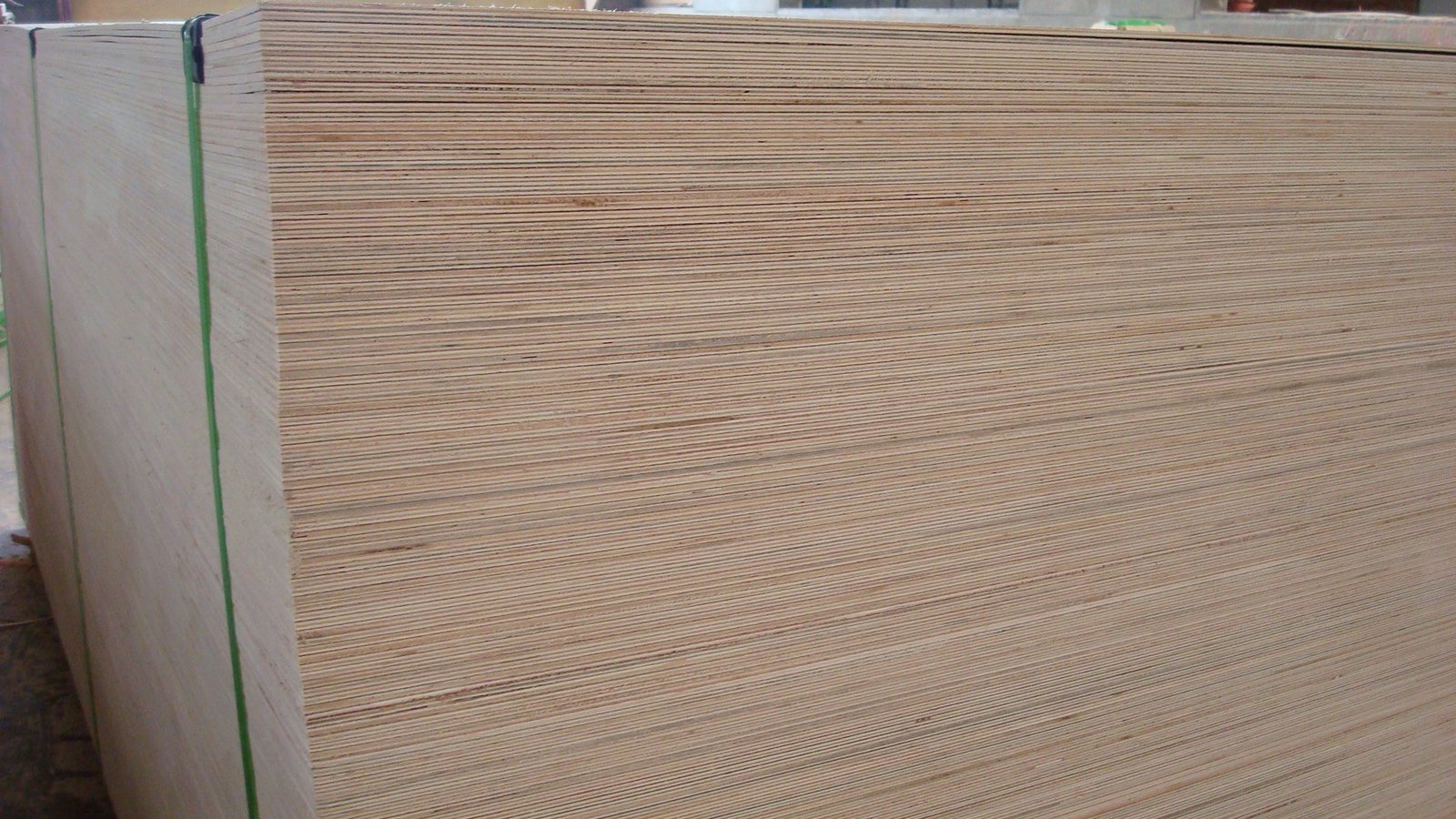
Plywood widths decide how a panel meets a frame, a saw, and a truck, so the number matters before the first order. A width that matches the stud spacing cuts clean, while a width that misses adds waste and time. This guide covers standard sheet widths, how they line up with common framing, and how to pick the width that fits a job.
Width names the shorter edge of a sheet, and the standard panel carries a four-foot width across an eight-foot length. That ratio grew from the needs of a wall, where a four-foot panel covers two stud bays on a sixteen-inch grid and leaves a clean seam. A buyer who works in metric sees the same edge named 1220 millimeters, so the two systems describe one panel with a tiny tolerance gap.
Suppliers also stock a narrow sheet and a half panel:
A wider panel lowers the seam count, and a narrower panel eases the carry. Consequently, the buyer matches the width to the frame and the crew, not to a habit, because both the yield and the labor follow the width.
A supplier measures a sheet at the mill and trims the edge, so a four-foot width can arrive a few millimeters under the name. That gap rarely harms a rough frame, but it shows on a stacked case or a door. A buyer who checks a sample before a large order catches the drift early and keeps the parts true. A metric panel and an imperial panel also mix in one market, so the buyer should name the unit and the tolerance in the same request.
Framing spacing sets the demand for a width, because a panel should cross a stud or a joist instead of ending mid-span. A four-foot width lands on two bays of a sixteen-inch wall, so each seam falls on a stud and the edge stays fastened. A deck on a twenty-four-inch joist grid takes the same logic, where a wider panel spreads the load over two spans and holds the line true.
In contrast, a narrow frame for a shed or a gate takes a cut panel, so the buyer trims the width to the post spacing. A buyer who measures the frame first avoids a seam that hangs in open air, which weakens the wall and shows under a finish.
A simple rule guides the pick:
Width also sets the number of sheets a wall consumes, so the buyer who plans the spacing avoids a cut that loses half a panel to waste.
A wall also takes a horizontal seam, so the buyer plans the panel rows before the order. A designer who stacks the sheets in a running bond keeps the vertical seams offset, which ties the wall together and hides a weak line. That pattern also lets a crew cut the top row on site without a full re-plan. A buyer who names the seam pattern on the drawing avoids a wall that shows every joint, and one plan covers both a stud wall and a joist deck.
A cabinet shop reads width through a cut list, not a wall. A four-foot width yields two cabinet backs at twenty-four inches each, so one sheet covers a pair and the offcut serves a shelf. A buyer who plans the cases around the four-foot edge cuts the waste to a thin strip, which lowers the panel count for a run.
The standard gauge for a case stays at eighteen millimeters, and the width follows the case depth. A shop that wants a finished face orders a Melamine Plywood panel that holds a durable skin, so the crew skips the paint. A shop that paints the case saves money with a Commercial Plywood panel and a coat of primer.
| Part | Width needed | Parts from a 4×8 |
|---|---|---|
| Cabinet back | 24 in | 2 |
| Shelf | 12 in | 4 |
| Drawer side | 6 in | 8 |
| Door skin | 24 in | 2 |
A buyer who sketches the parts on a four-foot grid sees the true count before the order, and the offcut plan keeps a small job on one sheet.
A shop also plans the grain direction, because a case looks best when the grain runs along the tall side. A buyer who marks the grain on the cut list keeps the parts aligned, and the doors sit in one visual sweep. A mismatched grain shows on a finished run, so the plan covers the look as well as the count. A maker who cuts a sample door first confirms the look and catches a face fault before the full batch.
Cut-to-width names a panel the supplier trims to a drawing before it ships, and it saves the shop a saw step. A buyer who orders a batch of twenty-four inch backs gets a pallet ready for assembly, which cuts the labor and the dust. The trade-off comes in the lead time and the price, because the mill or the yard charges for the cut.
A custom width also limits the return. A buyer who commits to a size owns it, so a misread drawing becomes a stack of waste. Meanwhile, a standard panel keeps the option to re-cut on site, which protects a buyer who faces a change late in the job.
As a result, a buyer weighs the shop labor against the cut fee. A short run of standard parts favors the full sheet, while a long run of one size favors the custom trim.
A supplier who cuts to width also deburs the edge and squares the corner, which saves a shop the cleanup. A buyer who confirms the tolerance in the order avoids a part that misses the frame by a hair. That detail keeps a production line moving without a hand fit on every case. A written tolerance turns a vague promise into a spec the shop can hold, and a named edge quality gives a part that runs straight off the pallet.
A wider panel loads fewer sheets per truck, so the freight per sheet rises with the width. A buyer who orders a standard four-foot panel fills a truck bed with a clean stack, while a custom width can leave a gap that wastes the run. A narrow panel eases the carry on a tight site, where a crew moves a sheet by hand up a stair.
Furthermore, weight ties to the width and the gauge together. A thick panel four feet wide on a long span takes two people to lift, while a thin narrow panel takes one. A buyer who plans the route and the crew before the order avoids a delay at the curb.
The supplier can also match the width to the delivery. HYY pairs a range of panel widths with a mixed load, so a buyer gets the sizes the job needs in one drop.
A buyer also checks the door width and the lift before the order. A narrow service door or a small lift can block a full sheet, which forces a cut on the truck or a hand carry up the stair. A quick measure of the route keeps the delivery on schedule and the crew off the curb. A wide panel that reaches the floor intact saves a whole morning of extra handling and protects the edge from a cracked corner.
Q: Is four feet the only standard plywood width?
A: No, four feet is the common width, yet suppliers also stock two-foot and three-foot panels for smaller work.
Q: Does width change the strength of a panel?
A: Width changes the span it covers, and a wider panel spreads a load over more framing, so the support follows the span.
Q: Should I order a custom width?
A: Order a custom width for a long run of one part, and keep the full sheet for a short or uncertain job.
Q: How do I cut a wide panel on site?
A: Support the sheet on a full-length rail and cut with a guided saw to keep the edge straight and true.
Q: Does a wider sheet always cost less per square foot?
A: Not always, because the freight and the handling rise with the width, so the landed cost can favor a standard panel.
Q: What width suits a cabinet back?
A: A four-foot width cuts two twenty-four inch backs from one sheet, which keeps the waste low.