Our Location
5th Floor, Huake Center, Lanshan District, Linyi City, Shandong Province, China

5th Floor, Huake Center, Lanshan District, Linyi City, Shandong Province, China
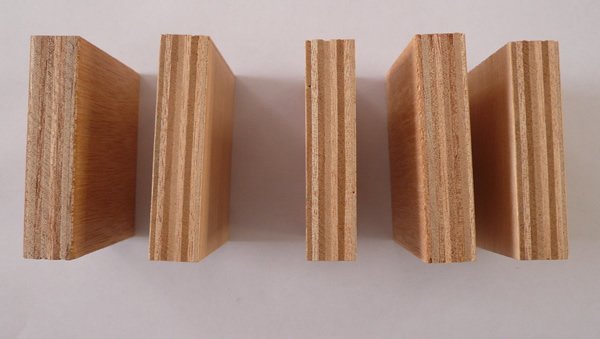
A plywood l clamp holds two panels in a right angle while the glue sets, and it keeps the corner square without a crew member holding it. The clamp frees both hands and locks the joint before the screw goes in. This guide explains what a corner clamp does, how to pick the right one, and the mistakes that pull a square corner out of true.
A plywood l clamp, or right-angle clamp, grips two panels at a corner and holds them at ninety degrees through the glue cure. The clamp keeps the joint square and takes the load off the fasteners until the glue sets. That hold gives the crew a true corner without a helper.
The clamp does a few clear jobs:
A square corner sets the whole cabinet, because one out-of-square joint throws off the doors, the shelves, and the top. A clamp that holds the angle at the start keeps the unit true through the build, and the small tool saves a rework that no finish can hide.
Consequently, the clamp earns its place in any shop that builds boxes, frames, and cases. A buyer who keeps a set of corner clamps near the bench assembles faster and truer, and the joint stays square while the glue does its work.
The clamp works on any solid panel, and a shop that builds cases leans on a steady sheet such as Commercial Plywood, a finished face like Melamine Plywood, or a flat routed part in MDF Board. A solid core holds the screw and keeps the corner square through the cure.
A right-angle clamp holds a corner through two jaws that press each panel against a fixed angle. One jaw pushes on a face, and the other pushes on the edge, so the two forces meet at the joint and lock the panels at ninety degrees. The angle holds because the jaws oppose each other across the corner.
The hold rests on a few parts:
In contrast, a plain bar clamp pulls along one line and can rack a corner out of square if the crew sets it off center. The l clamp applies the force at the angle itself, so the joint stays true without a careful shim. That centered force is the whole point of the corner clamp.
Furthermore, the clamp takes the load off the fasteners. A bracket holds the corner after the build, but during the cure the clamp keeps the panels still while the glue grabs. The two tools work together: the clamp holds the angle, and the bracket holds the load.
As a result, a clamp that seats flush to both panels gives the square the crew wants. A buyer who sets the clamp square before the glue and checks the diagonal keeps the corner true from the first panel to the last.
The right l clamp fits the panel thrust and the size of the corner, and a buyer who picks by look alone ends up with a clamp that slips or one too large for the job. Match the opening, the throat, and the force to the work.
| Feature | What to match |
|---|---|
| Opening | The panel thickness it must hold |
| Throat depth | How far it reaches past the edge |
| Clamping force | The load it must press |
| Body material | Steel for wear, alloy for light use |
Next, the opening needs to clear the panel. A clamp too small refuses to seat, while one too large presses on the wrong point and pulls the corner. A buyer who matches the opening to the panel thickness gets a clamp that seats flush and holds true.
In contrast, a cheap clamp with a soft body flexes under force and loses the angle, which racks the corner. A steel body holds the ninety degrees under load, and the buyer who plans many corners pays a little more for the clamp that keeps the square.
Furthermore, a set of matching clamps speeds a batch. A buyer who fits every corner at once clamps a whole case and lets the glue cure across the unit, which saves the wait between joints. The set pays back on the first cabinet.
A square joint follows from a clean cut and a clamp set right, and the steps run in a short order. The buyer who follows them gets a corner that sits true before the screw goes in and stays true after.
A solid sequence keeps the corner square:
The diagonal check catches an out-of-square joint in seconds. When the two diagonals of a box match, the corners sit at ninety degrees, and the clamp holds that angle through the cure. A buyer who measures the diagonal before the glue sets saves the rework.
In contrast, a crew that skips the check trusts the clamp alone and finds the rack after the cure. The clamp holds the angle it was set to, so a clamp set a degree off holds a corner a degree off. The check verifies the setup, not just the tool.
Next, tighten the clamp enough to close the gap without crushing the panel. Too little force leaves a glue line open, and too much dents a soft face. A steady hand and a feel for the panel give the joint the hold it needs.
Most corner clamp faults come from a short list of habits, and a buyer who avoids them keeps the joint square. The mistakes show up as a racked corner, a dented face, or a slipped panel, and each one traces back to the setup.
The common faults sit in a clear set:
Furthermore, a damp pad or a dirty jaw lets the clamp slip under force. A clean jaw grips the panel and holds the angle, while a slick one slides and racks the corner. A buyer who keeps the jaws clean and the pads soft protects both the square and the face.
In contrast, a clamp left on past the cure can stain a soft panel and leave a mark on a finished face. A buyer who removes the clamp once the glue sets keeps the surface clean and the corner true, and the tool moves to the next joint without a wait.
Therefore, treat the clamp as a precision tool, not a quick grip. A buyer who sets it square, cleans it, and checks the diagonal gets a corner that holds, and the small habit saves a wobble that no finish can hide.
The questions below come up at the bench, and each has a short answer.
A right-angle clamp that holds two panels at ninety degrees while the glue cures. It keeps the corner square and frees both hands.
Yes. The clamp holds the angle during the cure, and the bracket holds the load after. Use both for a strong, square corner.
Measure the two diagonals of the box. When they match, the corners sit at ninety degrees.
Tight enough to close the glue line without crushing the face. Too little force leaves a gap, and too much dents a soft panel.
A soft jaw and a light touch protect the face. A hard jaw and too much force can dent it, so match the pad to the finish.
A buyer who keeps a set of corner clamps and a steady panel beside the bench builds truer corners with less effort, and the joint stays square through the cure. That small habit saves the rework a racked corner forces. The clamp, the check, and the steady panel together keep every joint square.
For commercial and residential projects where long-term performance matters, HYY offers engineered stone-coated metal roofing solutions backed by dedicated project support and export experience.