Our Location
5th Floor, Huake Center, Lanshan District, Linyi City, Shandong Province, China

5th Floor, Huake Center, Lanshan District, Linyi City, Shandong Province, China
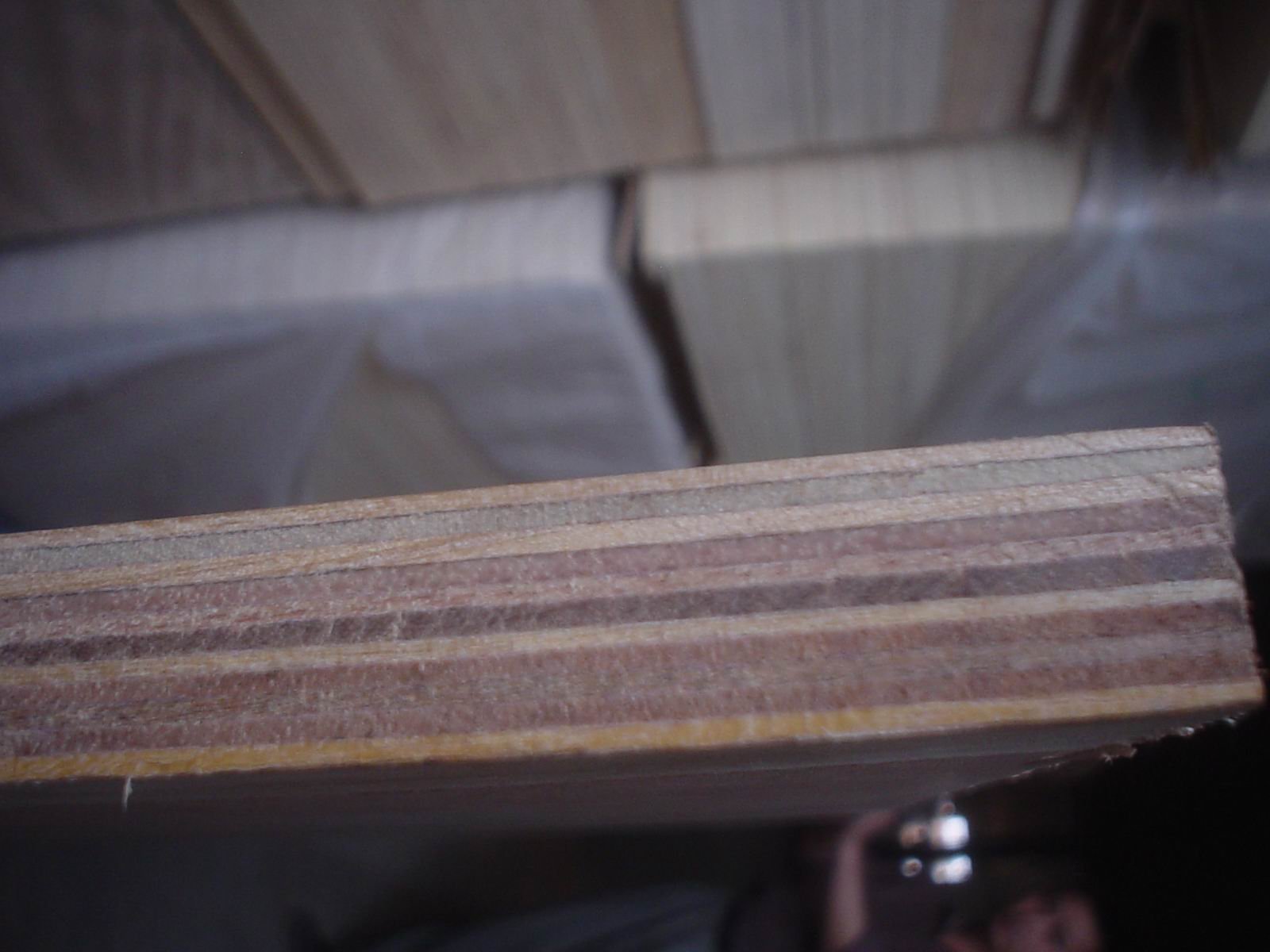
Plywood how thick is a decision that shapes the strength, the cost, and the look of a build, and no single gauge fits every job. The right panel follows from the load, the span, and the finish the work demands. This guide walks through thickness by application, shows what thickness does to strength, and explains how a buyer checks a sheet before it reaches the saw.
A buyer who asks plywood how thick wants a gauge that carries the load without wasting wood. The answer turns on three facts: the weight the panel holds, the distance between the supports, and the finish the surface needs. A buyer who names those three picks the gauge with reason rather than by habit.
Three facts set the gauge:
A panel that carries little and spans a short gap stays thin, while one that carries weight across a wide gap needs more thickness. The gauge, not the brand, sets how much the panel bends before it holds, so the buyer who reads the load and the span lands on the right number.
Consequently, the answer changes with the job. A buyer who copies the gauge from another build may overbuild a shelf or underbuild a floor, so the load and the span belong in the decision before the order.
A buyer also checks the gauge against the fastener. A screw holds better in a thick panel, while a thin sheet needs a support or a glue line to carry the load. The fastener, not the panel alone, decides how the parts stay together, and a buyer who plans the joint picks the thickness with it. The gauge and the joint move as a pair.
Most jobs fall into a familiar set of uses, and each one points to a gauge. A buyer who starts from the use picks the panel faster and buys the right thickness on the first call.
| Application | Typical gauge |
|---|---|
| Drawer base | 4 to 6 mm |
| Cabinet back | 6 to 9 mm |
| Furniture body | 12 to 18 mm |
| Cabinet carcass | 18 mm |
| Work bench and platform | 18 to 25 mm |
Next, the light uses take the thin gauges. A drawer base and a cabinet back carry little, so a thin sheet saves weight and cost without a loss in service. A buyer who fits a heavy panel on a light part adds expense and weight the build never uses.
In contrast, the load-bearing uses take the heavy gauges. A bench and a platform hold tools and people, so a thick sheet spreads the load and holds it flat. A buyer who skips the step pays for a sag that shows within a season.
Furthermore, the finish can push the gauge up or down. A painted surface hides a thin panel, while an exposed edge shows every layer and rewards a clean, solid core at the listed thickness. The finish guides the choice where the load leaves room.
Thickness lifts stiffness fast, which is why a small step in gauge makes a large step in strength. The panel resists bending far better as it thickens, so the right gauge often removes a support and simplifies the build. The buyer who uses the gain plans fewer braces and a cleaner span.
Two rules guide the span:
The span, or the gap between supports, decides the sag as much as the load does. A panel that holds flat across a narrow span bends across a wide one, so a buyer who knows the joist spacing sets the gauge without guesswork. The span and the gauge move together.
However, thickness alone does not carry a wet or heavy job. A thick sheet with a dry bond and a loose core still fails under water or load, so the buyer pairs the gauge with the right bond and a tight core. The gauge sets the stiffness, and the core sets the life.
Therefore, price the gauge with the core in view. A buyer who pairs the right thickness with a solid core pays for real strength, while one who buys thickness over a weak core pays for wood that never carries the load it promises.
A buyer who checks the real thickness guards the build against a drift in the batch. The listed gauge is a target, and the real sheet can sit a hair above or below it within a set tolerance. The check takes seconds and saves the fit.
A short check covers the key points:
In contrast, a buyer who trusts the label alone may miss a thin batch until the joints fail to close. The caliper at delivery catches the drift before the saw runs, and the sample on file settles any later dispute.
Furthermore, the tolerance belongs on the order for any tight fit. A buyer who needs the panel to seat in a groove or a frame writes the allowed range, and the supplier who accepts it holds the panel to the drawing. The tolerance, not the label, decides whether the parts meet.
As a result, treat the check as part of the order, not an extra. A buyer who measures on arrival keeps the build true and stops a weak batch at the door instead of at the bench.
A buyer also stores the measured gauge with the batch sample. When the next shipment arrives, the stored figure shows whether the panel held steady or drifted, and the sample proves the standard the buyer accepted. The record settles a dispute with a single look.
The gauge changes the sheet count, the weight, and the freight, so a buyer who sets the thickness early keeps the whole order in line. A thin panel moves more sheets per load, while a thick one fills the truck faster and lifts the freight. The gauge reaches past the panel into the shipping plan.
For a forming job that needs a tough, water-resistant face, Film Faced Plywood takes the reuse and the water of a slab at the gauge the job needs. For general construction and a workhorse panel, Commercial Plywood gives a steady core across the common gauges. For a light shelf or a hidden part, Chip Board covers the job at a low cost.
Furthermore, group the order by gauge to spread the freight. A buyer who combines several thicknesses into one buy pays less per panel than one who orders each gauge alone, and the grouped load cuts the handling too.
A supplier such as HYY builds the panel to the gauge the buyer names, so the thickness, the core, and the bond all match the job. A buyer who orders the right thickness the first time keeps the build on schedule and the budget on plan.
Order the sheets for the heaviest part first. A buyer who sets the thickest gauge for the load then trims the lighter parts to a thinner sheet, which keeps the weight and the cost down across the order. The heavy part sets the ceiling for the rest.
The questions below come up on thickness, and each has a short answer.
Match the gauge to the load, the span, and the finish. A drawer base stays thin, and a bench or platform needs a heavy sheet.
Thicker adds stiffness, but the core and the bond set the life. Pair the right gauge with a solid core and the correct bond.
Most cabinet bodies use 12 to 18 mm, and a carcass often uses 18 mm. Match the gauge to the shelf load and the span.
Measure with a caliper at three points and compare the result with the gauge and tolerance on the order.
Yes. A thick panel fills a load faster, so the gauge affects the sheet count and the shipping cost as well as the panel price.
One habit ties the choice together. A buyer who names the load, the span, and the finish on the order gets the gauge that fits, and the quote then reflects the panel the build demands rather than the one on the shelf. That habit keeps the thickness, the cost, and the fit aligned.