Our Location
5th Floor, Huake Center, Lanshan District, Linyi City, Shandong Province, China

5th Floor, Huake Center, Lanshan District, Linyi City, Shandong Province, China
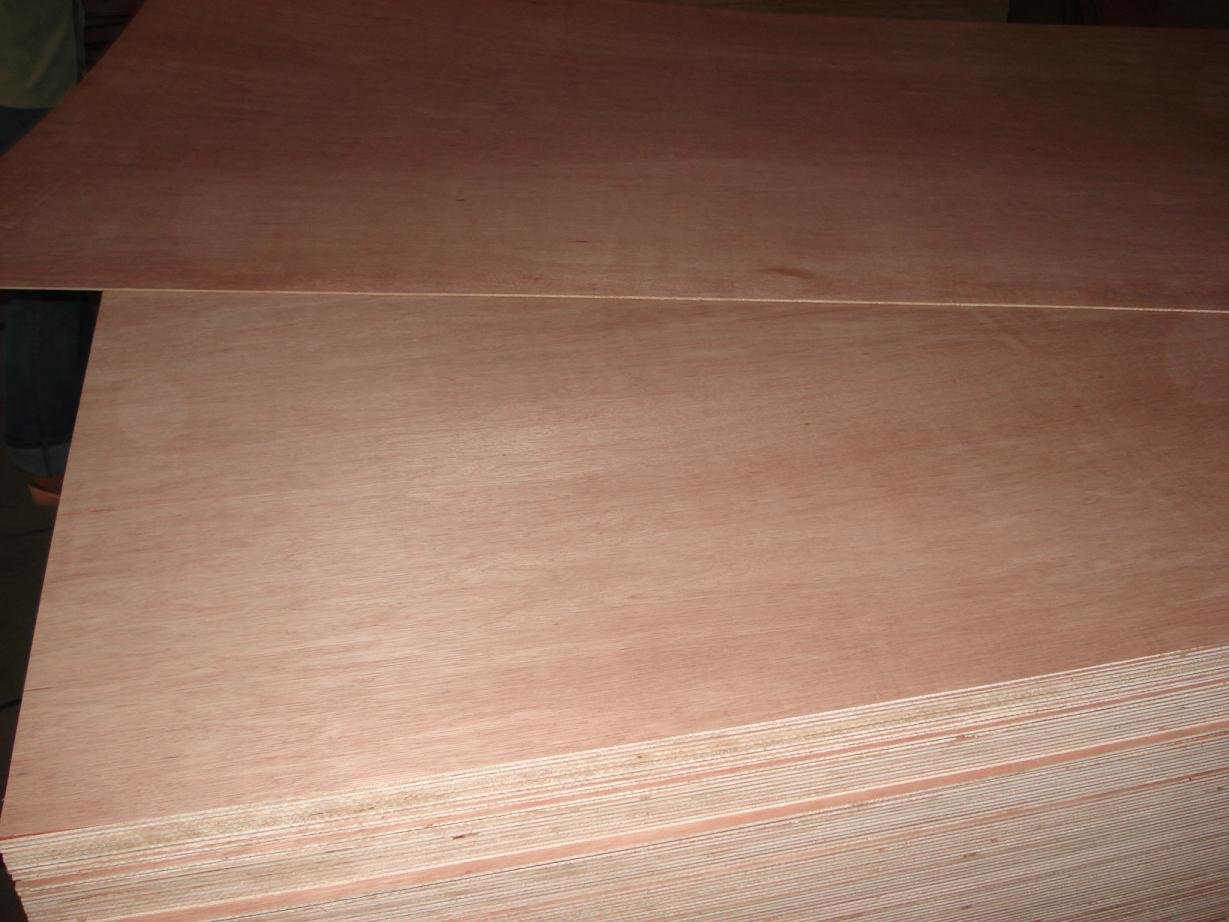
Plywood for sale shows up in more places than ever, from a big-box shelf to an importer’s container list, and the price on the tag rarely tells the full story. A buyer who reads the spec and the source pays for the panel the job needs instead of the one on display. This guide shows where to look, how to compare a fair price, and how to check a sheet before the money moves.
Plywood for sale reaches a buyer through three main channels, and each one serves a different job. A retail shelf serves the small repair, a trade dealer serves the steady order, and an importer serves the full container. The buyer who knows the channels picks the source before the search.
The channels stack like this:
Each channel prices by its own model. A retail shelf adds a handling margin for the small sale, a dealer prices by the pallet, and an importer quotes by the container with freight and duty added. The same panel can carry three prices, and the buyer who matches the skill to the job avoids paying the retail margin on a container load.
Consequently, the search starts with the order size. A buyer who needs a handful of sheets shops the yard, while a buyer who needs a full build plans the container. The channel follows the volume, and the price follows the channel.
A buyer also checks the source behind the listing. A marketplace seller may move overstock from a mill with no support after the sale, while a trade dealer backs the panel with a return policy and a spec sheet. The source, not only the price, decides how much risk the buyer carries. A low tag from an unknown seller often hides that risk.
Two quotes that look close can price two different panels, and a buyer who reads the spec line by line compares the same thing. The gauge, the grade, the bond, and the face decide the panel, and any gap in those fields makes a price comparison meaningless.
| Field | What to confirm |
|---|---|
| Size | Sheet length and width |
| Gauge | Real thickness and tolerance |
| Grade | Face and core class |
| Bond | Interior or exterior glue line |
| Price basis | Per sheet, per square meter, or landed |
Furthermore, check the price basis. A quote per sheet hides the gauge, while a price per square meter exposes the value at once. A buyer who converts every quote to the cost per square meter compares the panels on equal ground and spots the cheap sheet that hides a thin gauge.
In contrast, a quote that names only a brand tells the buyer little. The brand may cover several grades, and the buyer who accepts the name alone may receive the lowest one in that line. Ask for the gauge and the bond in writing, and hold the quote to those numbers.
As a result, build a simple quote sheet with one row per bid and one column per field. That sheet turns a pile of prices into a clear ranking and shows which supplier offers the best value on the panel the job really needs.
The price of plywood for sale grows from a few inputs, and each one moves with its own market. The cost of veneer, the resin, the energy, and the freight all push the shelf price, and the buyer who watches those inputs reads a coming change before it lands.
| Input | How it moves the price |
|---|---|
| Veneer and logs | Leads the panel cost |
| Resin and glue | Follows oil and chemical markets |
| Freight and fuel | Rises with distance and fuel |
| Duty and tax | Follows the tariff code and origin |
| Order size | Lowers the unit cost on volume |
Consequently, a low price often signals a smaller order or a thinner panel rather than a bargain. A buyer who compares two quotes reads the order size and the gauge behind each number, because the cheapest sheet may cost more per square meter once the size enters the sum.
Next, watch the timing. A quote holds for a short window, and a buyer who waits past it pays the new rate. Booking the order before a known rise locks the price across the full quantity and turns a market move into a saving rather than a cost.
Therefore, price the panel, not the moment. A buyer who knows the fair figure for a given gauge and bond spots a good deal fast and walks away from a quote that hides a weak panel behind a low number on the tag.
A quick check on arrival protects the buyer from a weak or thin sheet, and the checks take only a few minutes per batch. The goal is to confirm the panel matches the quote before the money leaves the account and the sheets reach the saw.
Run through a short list:
In contrast, a buyer who skips the check learns about a bad batch at the bench, when the panel fails a cut or a screw and the crew stops. The few minutes at delivery save the hours at the saw, and the buyer who documents the check holds proof against the supplier when a batch drifts.
Furthermore, keep one sample from each batch on file. The sample gives the shop a reference for thickness and face on the next order, and it proves the standard the buyer accepted. When a repeat shipment changes, the sample settles the dispute with a quick comparison.
Finally, ask about the return policy before the order. A supplier who stands behind the panel and accepts a flawed batch earns the repeat business, and the policy tells the buyer how much risk sits on each side of the deal.
A fair deal rests on a clear spec and a supplier who meets it on every shipment. The buyer writes the gauge, the grade, the bond, and the tolerance on the order, then ties payment to the check on arrival. That structure keeps the price and the panel aligned from the quote to the delivery.
For general construction and a workhorse carcass, Commercial Plywood gives a steady panel at a fair figure. For interior cabinetry that shows the surface, Melamine Plywood brings a finished face that skips the paint line. For a light shelf or a hidden panel, Chip Board covers the job at a low cost and ships fast.
Furthermore, group the order to spread the freight. A buyer who combines several gauges into one buy pays less per panel than a buyer who orders each item alone. The grouped order also cuts the deliveries and the handling, which trims the labor alongside the unit price.
A supplier such as HYY quotes the panel and the spec together, so the price reflects the exact panel the job needs. A buyer who orders the right gauge and bond the first time keeps the build on schedule and the budget on plan instead of paying twice for a panel that missed the mark.
The questions below come up whenever a buyer shops a panel order, and each has a short answer.
Match the source to the order size. A yard serves small, steady buys, and an importer serves the full container at the lowest unit cost.
Not always. Convert every quote to the cost per square meter and check the gauge, because a thin sheet can cost more per unit of area.
Measure the gauge, check the face and the core edge, soak a sample for the bond, and match the batch label to the order.
Order size, freight, duty, and the face grade all push the price. A brand name alone does not fix the panel or the figure.
Write the spec on the order, convert the price to a common basis, and book before a known rise to hold the rate across the quantity.
A buyer who follows those steps pays a fair figure for the exact panel the job needs, and the next order runs on the same clear spec.