Our Location
5th Floor, Huake Center, Lanshan District, Linyi City, Shandong Province, China

5th Floor, Huake Center, Lanshan District, Linyi City, Shandong Province, China
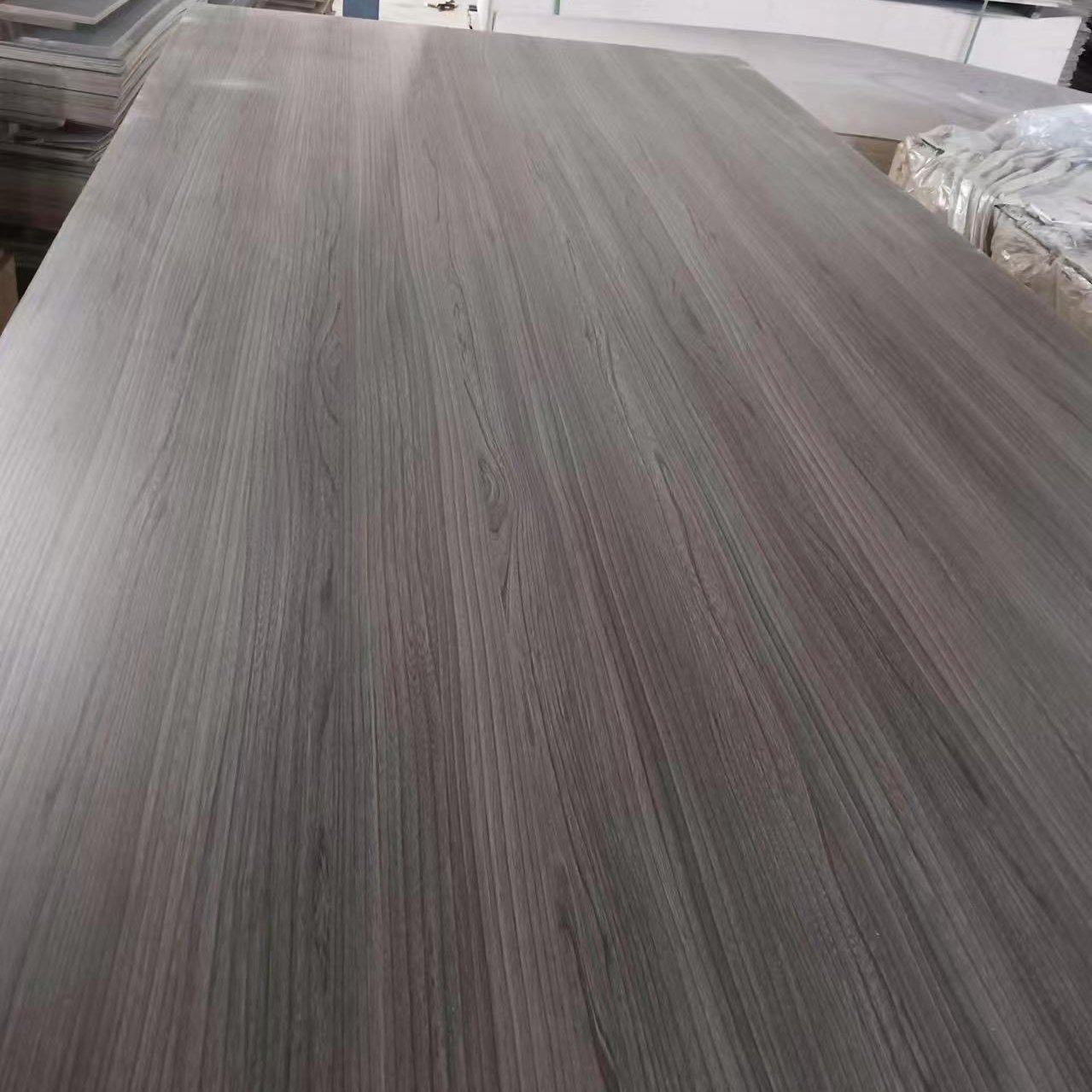
A search for near me plywood returns ten board yards and very little signal about which one sells a square, flat sheet. Local supply wins on speed and freight, yet the cheapest nearby stack often costs more per usable sheet once waste and failures appear. This guide shows how to vet local options against a clear checklist before you commit.
The same routine works for a single-sheet repair and a multi-pallet contract, and each check takes minutes at the yard.
Local yards beat distant suppliers on three practical counts: freight cost, lead time, and the chance to inspect the board before money moves. A buyer who can walk the stack avoids paying for damage that a freight carrier would dispute for weeks.
Delivery economics follow the same logic. A single 18mm sheet shipped cross-country can cost more in freight than the panel itself, so the nearby yard saves real money on small and medium quantities.
Consequently, the question is rarely whether to buy locally but which local source deserves the order. The nearby yard with a clean, organized stack usually beats the cheaper one that drags boards off a cluttered shelf.
Finally, local relationships carry value beyond the first order. A yard that knows your job sizes and thickness preferences becomes a faster, more consistent source than a distant mill you must chase every time.
Local buying also shortens the logistics chain. A nearby yard can restock a missed item the same afternoon, while a distant supplier locks the schedule to freight windows and port delays that no project can spare, so the shorter chain becomes a schedule advantage.
The simpler delivery route cuts paperwork as well. Fewer documents to file matters to buyers who report procurement metrics, and a local purchase produces a shorter paper trail than a cross-border order of the same panels.
Plywood prices differ by size, thickness, bond class, and face grade, so a raw per-sheet number means nothing without the product line behind it. Always compare like for like before you sort yards by price.
The table below shows the columns a fair local comparison needs. Fill in one row per quote and the best value appears on its own.
| Quote detail | Why it matters |
|---|---|
| Sheet size | 2440x1220mm and imperial 8×4 are not the same part |
| Thickness | Nominal and actual can differ at the edge |
| Bond class | MR, BWR, or BWP changes the allowed use |
| Face grade | Clean face vs patched face changes the finish cost |
| Delivery | Free delivery often hides a higher sheet price |
As a result, the yard quoting eight dollars a sheet with free delivery can outprice the yard quoting seven dollars plus freight. Always convert both quotes to a delivered per-sheet cost.
Furthermore, ask for the price at your real quantity. Volume buyers trigger a different tier, and the gap between a one-sheet price and a pallet price often surprises small contractors.
Ask sellers to quote the same product code as well. Two yards may label the identical sheet differently, and a quick check that the panel descriptions match removes a whole class of comparison errors before they reach the financial column.
Include the volume tier in the comparison too. A per-sheet price that drops at ten sheets turns a one-off quote into a small-lot plan, so ask exactly what quantity triggers the next price tier before you order.
Local inspection is the main advantage nearby buying offers, so use it fully. A clean stack signals a careful yard, and a careful yard ships fewer damaged sheets.
In contrast, a yard that refuses to open a pack for inspection is telling you something about the boards inside. Put the refusal on record and let the next supplier earn the order.
Furthermore, check the thickness with a caliper in the corners. The local yard may resell seconds or factory rejects at a discount, and a thin edge identifies those sheets before you pay full price.
Bring a small magnet and a moisture meter when you inspect volume stock. The magnet finds hidden nail damage and the meter flags a wet core, and together they catch what the eye confidently passes over on a clean-stacked lot.
Cut a small square from the corner of a sampled sheet as well. The cut reveals whether the core runs the thin, balanced layers the count implies, or a thick, uneven set that hides behind a tidy face.
Delivery turns a per-sheet purchase into a logistics decision. Confirm the delivery window, the truck capacity, and who carries the load into the workshop before you sign, because the sheet price rarely covers the whole journey.
Ask whether the yard delivers on its own truck or hires freight. Own-truck deliveries usually arrive on schedule and handle panels with the same care the yard uses, while hired haulage varies with the driver.
Furthermore, plan for flat, dry storage at the delivery point. Stacked panels left in a damp corner warp and delaminate no matter how carefully the yard handled them, so the receiving side carries half the quality responsibility.
Confirm the delivery access before the truck arrives. A truck that cannot back to the workshop door adds a walk and a trip charge, so state the site access when you book and the loading order when the order mixes grades.
Plan the pickup window to miss the morning rush as well, because a quiet yard loads boards flat and straight while a busy one stacks them fast and leaves the handling to the tailgate.
Is local plywood always cheaper than online? Usually on delivered cost for small orders, because freight dominates online pricing. Large pallet quantities can flip the comparison in favor of a distant mill.
Can a local yard match mill-grade quality? Often yes, when it buys direct from a recognized mill and stores the stock properly. Verify the brand, the stamp, and the paperwork rather than assuming a location guarantees quality.
Should contractors keep one local yard or spread orders? A single reliable yard earns quantity leverage and faster service, but a second source protects you when the first runs out of stock.
Do local yards offer cut-to-size service? Many do, and a precise cutting list reduces waste and freight. Confirm the cutting tolerance and the charge before you hand over a list.
How many sheets should a contractor buy in one trip? Only what the flat-dry storage can hold and the next two weeks need, because a bulk price loses its value when a damp stack warps before it is used.
Should a buyer spread payments across yards? Account terms suit regular volume, while cash and card give the one-off buyer leverage to compare prices, yet the payment method never replaces the grade check at the stack.
Turn the process into a checklist you reuse every order. Keep a running list of the brands, sizes, and bond classes your jobs use, and update the delivered per-sheet cost after each purchase.
Maintain a shortlist of two yards and review them quarterly on price, stock, and reliability. The data replaces guesswork the next time a deadline forces a fast decision.
Share the checklist with everyone who buys for the workshop as well. When a second person fills an order, the written list keeps the brand, the grade, and the delivered price consistent instead of letting each buyer negotiate from memory.
Bring a copy of the last invoice from a different yard when you negotiate too. A comparison in hand steers the conversation toward the delivered price and away from the sticker, and the seller who matches it earns a repeat customer rather than a one-off sale.
Across product lines, the panel choice follows the same logic. A Commercial Plywood line covers most interior framing, while smooth-faced cabinets and shelves compare well against MDF Board where a stable, paintable face matters more than screw grip.
Wet high-traffic areas and coated fixed panels make a case for Film Faced Plywood, whose sealed surface survives cleaner, harder use than a bare board.
A documented panel range such as the one HYY supplies lets a local importer quote proven grades, and the delivered paperwork settles the near me plywood question with facts your yard can match.
Vet the stack, compare delivered price, and keep the receipts, and local supply does its job.