Our Location
5th Floor, Huake Center, Lanshan District, Linyi City, Shandong Province, China

5th Floor, Huake Center, Lanshan District, Linyi City, Shandong Province, China
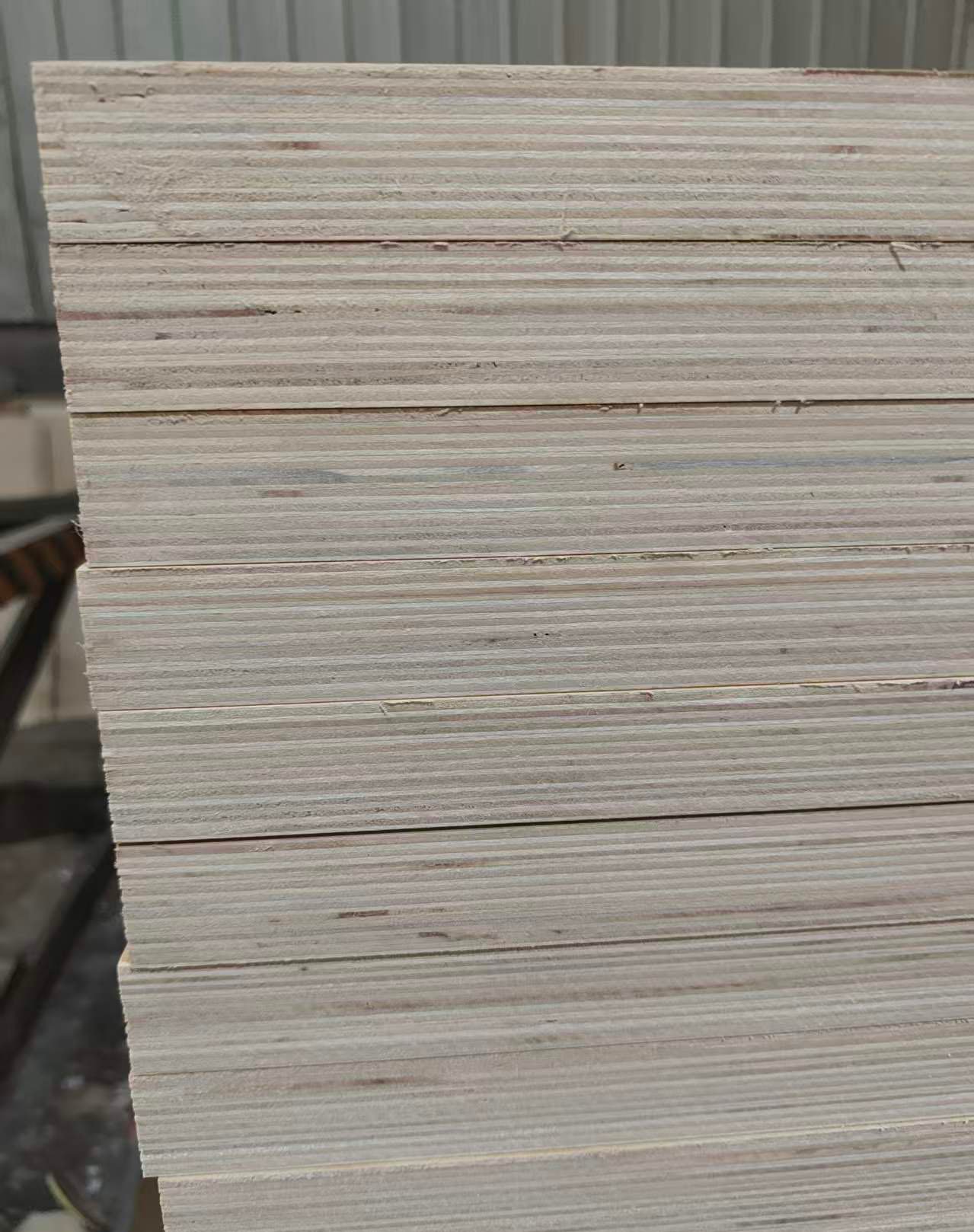
Jay plywood is one of the brands you see stacked in dealer yards across the plywood belt, and the name itself tells you little about the grade beneath the label. The sheet still carries IS 710 marks, bond classes, and face grades that decide where it can serve. This guide shows how to verify a jay plywood sheet before you pay, and how to compare it with import options when the deal runs large.
The brand draws attention; the stamp and the physical checks decide the purchase. Buyers who skip the checks end up trusting a sticker instead of a sheet. The same routine protects every counter, whatever name the pack carries.
A brand name signals availability and a local reputation, not a technical specification. Any plywood sheet, whatever the label, must earn its place by grade marks, bond class, and measured thickness. The name shortens the list of candidates; it never replaces the inspection.
In mature markets a familiar brand usually means consistent lots, because dealers reorder the same line and users learn its behavior. Yet consistency is a property of the batch, not of the name, and a single poor lot can spoil a long reputation.
Consequently, treat the name as the starting point, then read the standard stamp as the real specification. A sheet with a clean brand but no standard mark leaves the buyer without a claim to chase after delivery.
Trade buyers also watch the dealer’s own history with the line. A yard that has stocked the same brand for years knows its quirks, while a counter that shifts brands with the season answers to no one. The brand also anchors the warranty conversation: a known line with a written term turns a product dispute into a paperwork exercise, which beats the dealer runaround of a nameless sheet.
Furthermore, ask who services disputes. A brand with a local agent or a mill that answers directly gives the buyer a shoulder to press, which matters more on a large lot than on a single sheet.
A sheet that carries a brand but no standard stamp leaves the buyer with no enforceable technical claim. The label should state the standard reference, the bond class, the thickness, and the maker’s identity in plain print.
Bond class comes in the familiar trio. MR suits indoor furniture, BWR handles kitchens and bathrooms, and BWP covers outdoor and heavy exposure. Each class changes the glue system and therefore the price and the service life.
Face quality also matters. The visible surface sets the finishing cost, while the back face carries the structure you cannot see. A buyer comparing two lots should compare both faces, because a thick top and a thin back tell a story about the mill’s priorities.
Also compare the finishing surface itself. A smooth sanded face takes laminate and stain evenly, while a rough face doubles the sanding bill before the first coat goes on.
Furthermore, ask whether the dealer stocks the same line regularly. Regular rotation keeps sheets fresh, while a long-stay stack risks warping and edge damage that no brand label prevents. A dealer who turns the stock monthly handles a healthier product than one who sells a dusty pile.
Local branded sheets win on availability, familiar sizing, and short lead times. Import lines win on documented mill control and consistent face quality at volume. Neither replaces the physical test, so the table below shows where each option earns its keep.
| Factor | Local branded sheet | Import supplier line |
|---|---|---|
| Lead time | Same day from the yard | Weeks by container |
| Documentation | Batch paper by request | Spec and test sheets with every order |
| Face consistency | Varies by lot | Controlled across the batch |
| Volume pricing | Strong on small orders | Strong on full loads |
| Warranty chase | Local dealer contact | Written mill terms |
As a result, small retail orders tend to favor the local yard, while contract buyers with a written spec often compare both before committing a full order.
Figures matter too. The local full-load price can equal the delivered import price once the container clears, so the buyer who quotes both arrives at a number the sticker alone never shows. The comparison also covers moisture: a sheet that passes delivery tests but sits on a damp site for weeks changes its story, so the buyer’s storage plan matters as much as the supplier’s quote.
The deciding question is simple: does the delivery include test evidence for the class you ordered? Whatever the name, the paper makes the promise enforceable.
Finally, remember that a warranty is only as good as the party that signs it. The dealer’s signature and the mill’s terms should sit on the same page before any money changes hands.
Run the dock checks on every brand you buy for the first time. The brand earns attention, but the sheet earns the money.
The boil test separates advertising from bond class. A sample that holds after boiling supports the stamp, while one that opens under heat ends the debate on the spot.
Schedule the test for the pickup day as well. A sheet dry-tested at the yard and re-checked at home gives two readings, and the gap between them measures the moisture story the dealer never tells.
Furthermore, compare the first sheet against the second and the third. A stack that varies in weight and edge shows a loose mill process, and a loose mill delivers the occasional bad sheet in every lot.
The hammer-and-knife rap on the face gives a fast read meanwhile. A solid ring suggests a well-laminated panel, while a dull thud hints at hollow spots that the eye cannot see from the stack side. Also watch the edges after the boil test: a sheet that stays laminated but shows soft corners has a different weakness than one that opens in the middle, and each weakness points to a different mill process failure.
Names help when the lot history is long and the dealer stands behind the line. They fail when the buyer needs a specific class and trusts the label alone. For kitchens and wet zones, the bond class decides the warranty outcome, not the logo.
Furthermore, ask for the batch paperwork before a large order. A brand that can show the standard test mark separates itself from one that can only show a sticker, and that document costs nothing to request.
In contrast, a dealer who hesitates on the paperwork usually hesitates on a claim later. The paper trail is the cheapest insurance a sheet buyer can carry.
Interior work rarely needs the top class. A clean MR sheet serves shelving and carcasses well, so the brand that sells the premium sheet to every customer sells the wrong sheet half the time. The grade question always stays a site question.
Warranty letters differ too. Some brands back the panel, others back the finish, and a buyer who assumes the first when only the second exists discovers the gap at claim time.
Volume orders change the game. Request samples, a test certificate, and a written specification before the first container, and keep the sample for comparison with later lots.
Also specify the delivery terms. Full loads travel flat on bearers, while partial loads ride on top of general freight and collect damage before the site sees them. Ask the mill for the batch number in writing as well, because the number on the delivery ties the tested sample to the actual load and turns a general claim into a specific one.
An import line such as Commercial Plywood from an export mill gives a documented spec for regular loads, while kitchens and shiny furniture surfaces compare against Melamine Plywood and treatments such as Fancy Plywood for decorative work.
Outdoor and formwork buyers read Film Faced Plywood against the same BWP checklist, where the coated face removes the finishing step.
Buyers who need a documented panel range can weigh the brand against the export line from HYY, whose sheets carry the standard reference on the delivery documents. A clean stamp, a passing boil test, and a signed spec beat a famous name every time.
Finally, log the lot code from each delivery. Two months of clean entries convert a cautious purchase into a repeatable routine, and the log costs no more than a notebook line.