Our Location
5th Floor, Huake Center, Lanshan District, Linyi City, Shandong Province, China

5th Floor, Huake Center, Lanshan District, Linyi City, Shandong Province, China
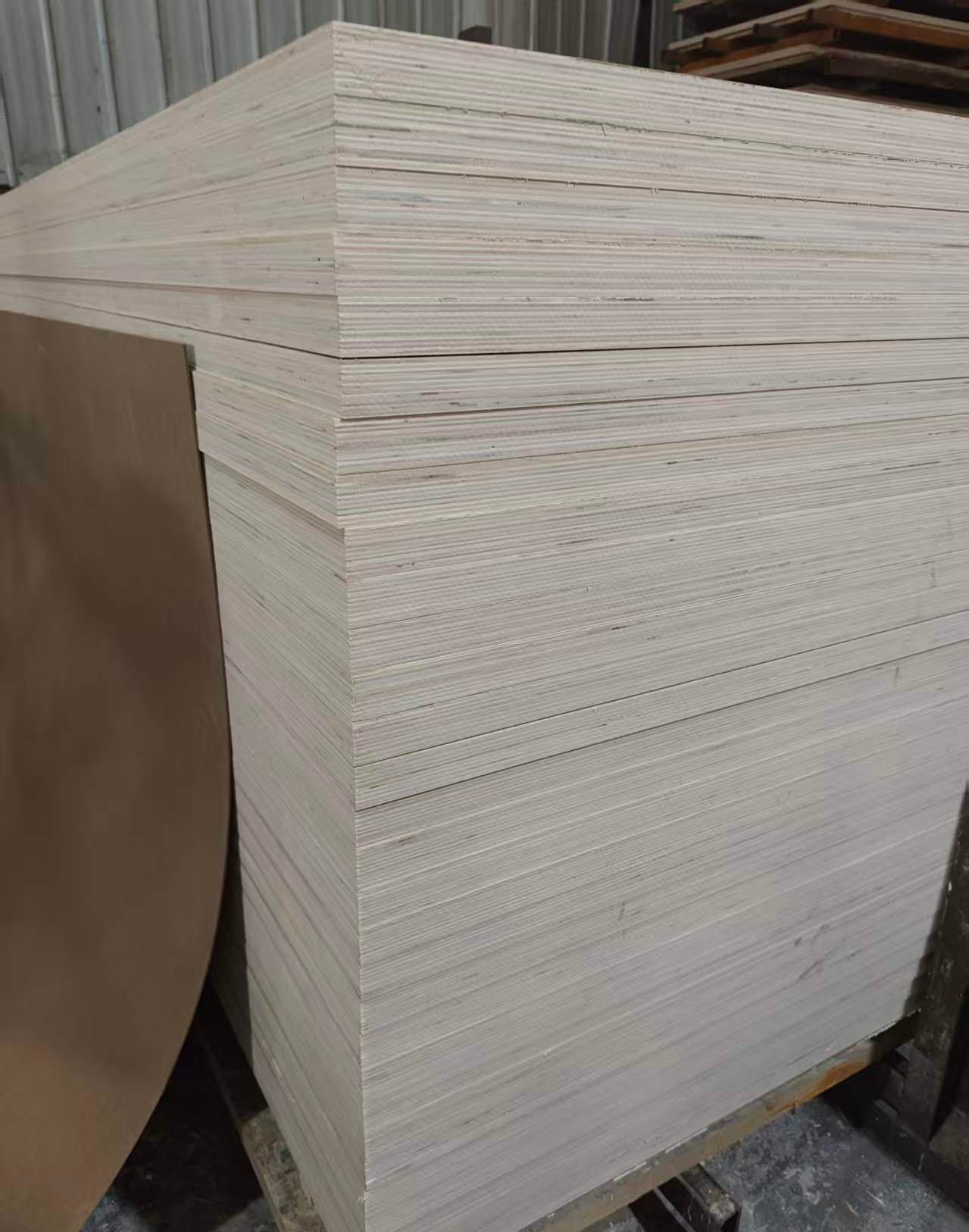
The grade in plywood stamps names the quality of the outer faces, and it sits on almost every sheet in a different little corner. The code combines a face letter, a back letter, and sometimes an exposure mark, and each part changes what the sheet suits and what it costs. This guide shows how to find the grade, read the letters, and match the code to the job before the order leaves the yard.
The habit of checking the stamp takes seconds and prevents returns, because a mismatched grade shows up long after the delivery clears the gate.
Buyers who skip the stamp end up guessing by the top of the stack, which is the exact habit that produces mixed deliveries and wrong-face installations later on.
The stamp appears everywhere, in wholesale sheets, retail packs, and shipping documents alike, so the same reading skill carries across every supplier a buyer ever uses.
A standard plywood stamp packs several facts into one corner of the sheet: the mill name, the grade pair, the group number, the exposure, and a standard reference. The grade pair gets the most attention, because it describes the two surfaces that the buyer sees and paints.
Stamp layouts differ by mill and by standard, but the order stays readable. The first letter names the visible face, the second names the hidden back, and a following mark such as INT or EXTERIOR sets the glue and the exposure. Read the pair as one line and you have the whole cosmetic story.
Some yards print a full specification sheet with the delivery as well. The document repeats the stamp facts in plain form, which helps the receiving team check a stack without unstacking every panel. Keep the sheet with the order and compare it to a sample panel from the load.
The receiving check takes one glance when the stamp matches the order line. A quick look at a corner sheet proves the pair, while a full inspection only begins when the first panel disagrees with the paper.
First, locate the stamp at the sheet edge or corner. Panels also carry edge marks between the plies, so a sheet that lost its corner stamp keeps its identity visible on the edge stripes.
The letters A, B, C, and D rank the face from cleanest to most repaired. A allows a smooth, sanded surface with few repairs, while D accepts open knots and defects that suit covered work. The cheapness follows the tolerance, so the letter drives the price as much as the thickness.
| Letter | Face quality | Typical fit |
|---|---|---|
| A | Smooth, minimal repairs | Joinery, visible furniture |
| B | Clean with small repairs | Quality paint surfaces |
| C | Closed knots, patches | Working structure |
| D | Open defects allowed | Hidden, covered work |
Consequently, the letter describes appearance and nothing else. Two sheets with the same letter can carry different plies and bonds, so the strength stays a separate decision that the stamp answers in its own fields.
The price ladder follows the same tolerance. A clean face costs most because it consumes the best veneer and more finishing time, while a damaged face runs cheap by accepting defects. Buyers pay for the letter their job demands and nothing beyond it.
Stamped sheets also hold up better in record keeping, because the printed line survives transfers and inspections that a verbal quote loses.
However, the visible face only counts for work where it shows. The same economy face hidden behind a cabinet wall wastes money and hides none, which is why the visibility question comes before the letter question.
C and B faces carry most interior framing work in practice. The C face accepts closed knots and patches that a structural panel tolerates easily, and the B face adds the smoothness that paint and laminate want without jumping to the most expensive tier.
The pair puts the two surfaces together in one line. AB offers an excellent face with a good back, BB gives a solid repairable face, and C/D keeps the price low by allowing a rougher reverse side. The pair, not the front letter, sets the final cost.
As a result, the back often decides the economy more than buyers expect. A C/D sheet hides the rough back in normal service, while the C face carries the visible work at a budget price.
Common pairs repeat across markets because they balance performance and price well. A general-duty Commercial Plywood grade usually runs as a C/D-style pair, while a faced top surface works for parts that show. Reading the pair lets a buyer compare two catalogs without translating marketing names.
The pair also explains why two sheets with the same front letter differ in price. A clean-back pair costs more than a rough-back pair even when both show the same visible face, because the back decides whether both sides can carry visible work later in the assembly.
Beyond the letters, the stamp carries an exposure or bond mark. Interior-rated sheets suit dry rooms, while exterior or marine bonds hold veneers together in damp air and light weather. Adding an X to a pair marks the exterior bond without changing the face letters.
Furthermore, the bond decides whether the grade survives. A clean face on an interior bond still fails in a shed or a planter, so the exposure mark earns its weight whenever moisture appears. For wet or forming work, a sealed construction sheet such as Film Faced Plywood carries an exterior overlay as well.
In many markets the exposure mark travels with a group number that ranks the wood species by strength. Together the two fields tell the structural story that the face letters skip, so a full reading covers appearance, glue, and load in one glance.
Structural panels pair the exposure mark with a span rating, which states the sheet size between supports. Reading that line settles the spacing question that the face letters never answer.
In contrast, an interior mark does fine for cabinets and furniture where the room stays dry. Matching the exposure to the site separates a lasting project from a reworked one.
Match the grade to the visibility of the part, then set the bond by the moisture. A visible cabinet face wants a cleaner pair, a painted door wants a smooth repairable one, and a hidden shear panel runs fine on the economy pair.
For a mixed project, order the visible faces clean and the hidden structure on the economy pair. The split delivers quality where it shows and keeps the bill down where the panel hides.
However, a faced sheet removes most of the guessing. A pre-finished Melamine Plywood sheet arrives with a fixed face, so the surface looks identical on every part and the grade question shrinks to the substrate and the bond.
Volume buyers write the grade into the purchase order, so the yard quotes the same pair every time. The written line removes the chance of a stack swap and makes the receiving check fast.
Finally, keep a grade sample from the first delivery on file. A cut square from the approved panel matches the next order against the same face color and repair level, and it settles disputes fast when a stack differs from the sample.
Suppliers such as HYY pack panels against the written grade line, so the pair, bond, and thickness stay constant from one delivery to the next.
Fast answers to the stamp-reading questions that decide most sheet orders.
It describes face and back appearance, not strength. The letter pair tells you how many knots and repairs the surface may carry, while the bond and thickness handle the load.
Look at the corner stamp or the edge stripe between the plies. The stamp lists the pair, group, and exposure, and the edge mark survives when the corner is cut away.
Better only for visible finish work. A premium face costs more, so use the grade that matches the part, and save the budget for the faces that actually show.
No. The same face standard applies across thicknesses of one product line, so a 9mm and an 18mm sheet can carry the same letter pair.
Yes, with filling and sanding. A C face needs repair first, which is why the filler bill often pays the upgrade to a B face on painted work.