Our Location
5th Floor, Huake Center, Lanshan District, Linyi City, Shandong Province, China

5th Floor, Huake Center, Lanshan District, Linyi City, Shandong Province, China
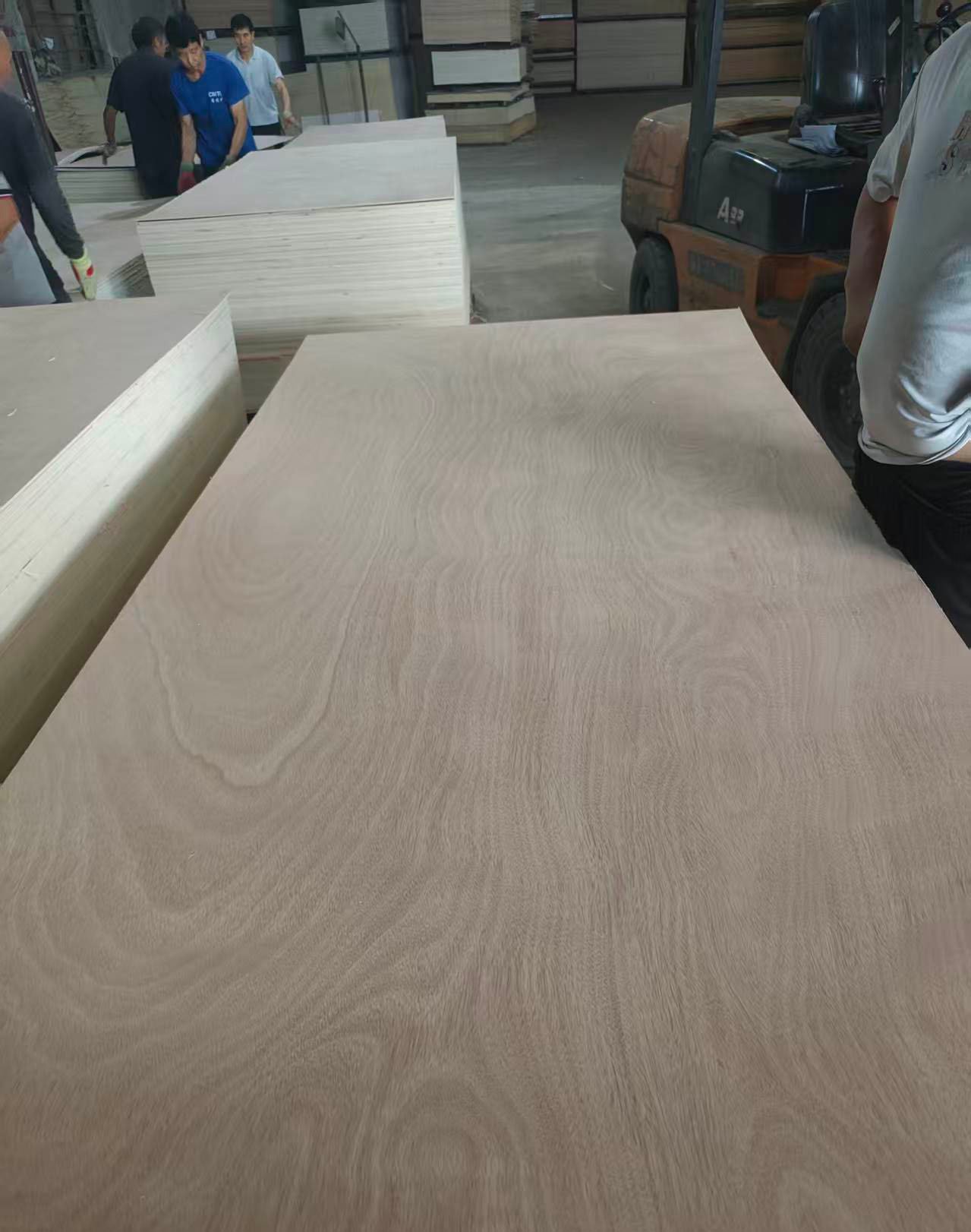
The green guide plywood approach starts with three questions: where the veneers come from, how much the panel releases indoors, and how much waste the project leaves behind. A sheet never turns green by one label alone, because sourcing, emissions, and waste every decide the environmental score. This guide walks through the checks that identify a genuinely better panel and shows how to buy it without losing performance.
The greenest sheet only earns its name when it also does the job, so strength and moisture behavior stay in the same consideration.
Most buyers discover that certified panels cost little more than ordinary ones, which makes the switch easier than the marketing suggests.
Questions like these appear on every eco-minded specification, and the answers decide both the certificate file and the final timber spend.
Green procurement keeps growing in commercial fit-outs, where the buyer reports the timber chain to the project and cannot rely on a slogan to pass an audit.
The route to a greener panel rarely requires a specialist catalog, because mainstream suppliers now list certified and low-emission grades as standard lines.
A plywood sheet turns green through three separate channels: sustainable timber sourcing, low chemical release, and efficient use of the tree. A panel can pass one test and fail another, which is why the score never rests on a single badge.
Consequently, the checklist beats the slogan. A durable exterior sheet used where daylight and moisture arrive saves a second purchase, and the longer life lowers the per-year footprint more than any seal on the packaging.
Green labels also reward shorter transport routes, because freight carries its own footprint. A certified panel from a nearby mill often beats an uncertified panel shipped halfway around the world, so the distance to the supplier belongs in the same comparison.
Processing matters as well. A mill that recovers residues for energy and by-products reduces the footprint per sheet, so the efficiency of the plant becomes part of the green story.
Finally, the greenest sheet in the catalog still fails an eco project if it arrives with the wrong bond and delaminates, so performance and sustainability always read together.
Durability deserves its own line in the green ledger. A panel that survives ten years of service replaces an early failure, and the avoided second purchase weighs more in the footprint than the label on the first delivery. Choosing a sheet graded for the site keeps the green promise honest.
Certification labels give the sourcing claim a paper trail. Programs such as FSC and PEFC verify that the timber came from responsibly managed forests, while CARB and E-class stickers speak for the emission side of the sheet.
First, ask which standard backs the badge. A chain-of-custody label follows the log through the mill, while a simple trademark tells little. The certificate number on the invoice lets a buyer verify the claim instead of taking the sticker on faith.
| Label | What it covers | What to check |
|---|---|---|
| FSC / PEFC | Timber sourcing | Validity and scope |
| CARB | Emission ceiling | Phase and test method |
| E0 / E1 | Formaldehyde class | Test certificate |
Furthermore, certification adds process discipline, so the batch records survive to delivery. A supplier that answers cleanly on the certificate usually handles the receiving paperwork just as cleanly, which shortens the compliance check on the buyer’s side.
However, a certificate covers one chain at one time. Ask whether the badge applies to the whole delivery or one product line, because a mixed shipment can carry certified and uncertified panels side by side.
Annual audits keep the certificates current, and the audit date printed on the document shows which claim the buyer can trust right now. Stale badges mean a new verification before the order.
Group schemes such as FSC mixed-certified cover small mills that blend certified and non-certified timber under strict control, so the badge still means a documented, capped share of uncertified wood.
The emission class controls how much the panel gives off indoors, and it matters most in closed, occupied rooms. E1 marks the mainstream interior tier, while E0 reaches a stricter level for sensitive spaces such as bedrooms and shops.
As a result, an interior fit-out benefits from confirming the class at order time. A pre-finished Melamine Plywood sheet pairs a clean faced finish with a low-release core for furniture, which simplifies the air-quality story on one line.
However, sealing the faces and edges lowers release in service, while the certificate still governs the class claim. Treat paint and edging as practical measures, not reclassification.
Room heat changes the picture too. Release rises with temperature, so panels in warm, enclosed spaces deserve the stricter class even when the room air seems fine in an inspection photo.
Low-emission panels also keep the site cleaner, because less formaldehyde escapes during cutting and installation. The factory badge protects the crew as well as the future occupant.
Some programs also test finished furniture instead of bare board, which reflects the real indoor release after faces and edges get covered. Ask which sample the certificate describes.
Green buying also means wasting less. A cut list planned around stock sizes reduces offcuts, a matching thickness avoids a second pass, and a scribed template saves a full sheet on repeat parts.
Additionally, offcuts find second lives in blocking, jigs, and test pieces, so the shop keeps usable material out of the bin. Tracking the offcut pile quietly shrinks the order size for the next project.
In contrast, an over-ordered stack gathers dust and moisture in storage. Order to the plan with a small allowance, and top up from the same supplier if a damaged sheet appears on the day.
Furthermore, the waste question applies to the face as much as the sheet count. A panel chosen for both sides reduces offcut loss during cutting, and a width planned around the saw pattern yields more usable parts from every sheet.
Minimal packaging follows the same habit. Bundled sheets, reusable corner protectors, and grouped deliveries cut the cardboard and fuel spent per sheet, which finishes the waste equation at the receiving dock.
Local sawing and cutting services trim sheets to plan and reuse their own offcuts, which spares the buyer the transport of full sheets destined to become waste.
The practical matching keeps green panels in service long enough to pay their footprint. Interior furniture takes a low-emission faced sheet, wet and forming work takes a durable exterior panel, and covered structure takes a workhorse sheet sized right.
In contrast, a damp construction site needs the durable member. A reusable Film Faced Plywood sheet survives multiple pours and resists moisture, which spreads its environmental cost across many uses instead of one job.
Where a light, flat core fits, furniture-grade panels such as MDF Board sheets come from recycled fiber, which keeps recovered wood in the panel stream and cuts the demand for virgin timber.
A panel that reaches the right thickness on the first order also saves the finishing layer and the second trip, which closes the loop on the durability point.
Matching also means matching the finish. A sealed panel lasts years outdoors, while a bare sheet ends up replaced early, so the greenest buy pairs the sheet with the right edge treatment from the start.
The paper work closes the circle: a certificate file with sourcing, emission, and batch records turns a shopping choice into a repeatable buying habit.
Suppliers such as HYY confirm sourcing and emission documents with the delivery, so the green claim arrives with its paper trail attached.
Direct answers to the sustainability questions that come up on green projects.
Usually yes, because the certificate proves responsible sourcing and the price gap stays small on most sheets. Verify the certificate number rather than trusting the logo alone.
FSC covers timber sourcing, while CARB covers emission ceilings. A green panel can carry both, and each answers a separate environmental question.
Yes. Certified sourcing and verified low emissions contribute to schemes such as LEED, where the documents carry more weight than marketing labels.
Only if the extra thickness goes unused. Sizing the panel to the load avoids waste, so the efficient thickness often wins the green argument.
Fiber panels use recycled wood routinely, and some veneer cores mix recovered material. Ask the supplier which part of the sheet carries the recycled content.