Our Location
5th Floor, Huake Center, Lanshan District, Linyi City, Shandong Province, China

5th Floor, Huake Center, Lanshan District, Linyi City, Shandong Province, China
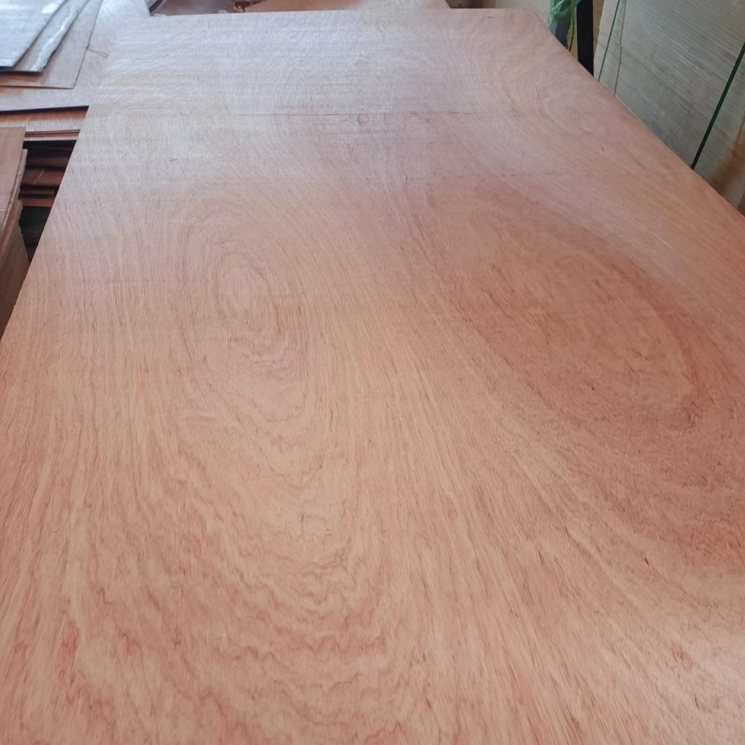
Grade plywood is the sheet market’s way of naming face quality, and the letters A, B, C, and D rank the two outer surfaces from cleanest to most repaired. The grade decides how the sheet paints, how it looks when it shows, and what it costs, so reading the code matters to every buyer. This guide explains the ladder, how the pairs describe face and back, and how to match the grade to the job.
The face letters describe appearance only, so the strength and bond ratings stay separate decisions on the same label.
The grade also defines every sheet in a pack, so a written grade line turns a stack of mixed faces into a uniform order. Buyers who name the pair on the purchase order receive one face standard per delivery, which removes the gamble of whatever the top of the stack shows.
A face grade letter sets the cosmetic quality of the visible side. Producers sort veneers before gluing, and the letter tells the buyer how many knots, splits, and repairs the face may carry. The cleaner the grade, the higher the cost, because the veneer supply and the finishing work both rise.
The letter never tells you how strong the sheet is. Two panels with the same grade can differ in plies and bond, so the structural spec lives in a separate line of the label. Buyers who read grade as strength always overpay or under-spec.
First, decide whether the face shows. The whole grading ladder exists to price that single decision, and most sheet mistakes follow from forgetting it.
Veneer mills sort the raw sheets into grading buckets before gluing, so the grade arrives at the press already decided. Clean veneers go to the higher classes, repaired sheets drop to C and D, and that balance sets the market price.
Grading standards split by region. North American APA style, European EN codes, and Asian mill rules each define the letters differently, but the ladder logic stays. Import buyers note the standard that names the grade, because an A in one system can behave like a B in another.
First-time buyers also tend to over-order. The best grade costs the most, and most jobs expose only one visible face, so a mixed spec of clean faces and budget backs usually delivers the same result for less.
A two-letter code names both outer surfaces in one line. The first letter covers the visible face and the second covers the hidden back, so AB, BB, C/D, and CD each combine a different visible and hidden quality at a different price.
| Grade pair | Face | Back | Typical fit |
|---|---|---|---|
| A/B | Excellent | Good | Fine joinery, both sides seen |
| B/BB | Good | Repaired | Quality paint, cabinets |
| C/D | Closed knots | Open defects | Structure, sheathing |
| C/D X | Closed knots | Open defects | Damp covered work |
In contrast, the back grade often decides the cost more than people expect. A C/D sheet keeps the price low by allowing the rougher reverse face, which stays hidden in normal service while the C face carries the visible work.
Some buyers order single-grade sheets labeled on both faces, such as BB or CD, to avoid the face/back split entirely. Uniform-face panels cost a little more but simplify painting and bracing, and they suit jobs where both sides stay visible at different stages of assembly.
The pair also affects the machining side. A premium face sands fast and paints clean, while a rough back accepts glue and screws without care, so many builders spec a good face and a workable back to balance finish against cost.
However, a sheet with repairs on both faces costs less again, so buyers price the pair, not just the front letter.
Adding an X to a grade pair marks an exterior-rated bond, which changes the moisture behavior without changing the face letters. C/D X behaves far better in damp air than plain C/D, even though both show the same face quality.
The grade fit follows the visibility of the panel and the moisture it meets. A polished cabinet end wants a clean face, a painted door wants a smooth repairable one, and a sheathing sheet behind an outer skin needs the bare C/D economy.
Furthermore, a defined grade simplifies the purchase. When the spec names the pair, the supplier quotes the same sheet every time, and the buyer stops running on the luck of whichever face the top of the stack shows.
Cutting efficiency also favors honest grades. A clean face cuts cleanly and fills fast, while a repaired face needs extra sanding passes that slow the line. The finishing time saved by a better grade often pays for itself before the panel leaves the workshop.
Moisture decides whether a risen grade survives in service. A B face on a damp wall bows and stains like any other, so the environment drives the bond choice first. Grade and environment belong in one check, not two separate habits.
A faced panel trades the grade guessing away by bonding a fixed overlay over the core. Melamine faces, phenolic films, and printed laminates arrive as the finish, so the visible side looks identical on every sheet in the order.
As a result, faced sheets suit production cabinetry where repeated color and texture matter more than the wood grain underneath. A pre-finished Melamine Plywood sheet delivers the cabinet face, while a sealed Film Faced Plywood sheet handles wet and formwork duty with an exterior overlay.
However, an overlay hides the substrate but not its limits. A damp-core sheet still fails beneath a perfect face, so the substrate grade and bond keep their importance before the overlay goes on.
Overlay panels also keep the back consistent. A faced sheet shows the same finish on both sides, which simplifies storage and prevents the wrong face from ending up exposed. Facilities that assemble thousands of panels favor the uniformity an overlay guarantees.
Volume buying converts the grade into a written line that every delivery must honor. Name the face pair, the bond, the thickness, and the tolerance, and the quotation matches the physical sheet instead of the marketing name.
For most interior structure, a general-purpose Commercial Plywood grade balances cost and service, while the finished face or a stricter surface appears only where it shows. Suppliers such as HYY pack graded sheets against that written spec, so the C/D and the B/BB sides of one project both arrive right.
Grade mixes complicate receiving and payment. A mixed delivery forces a physical sort, delays the line, and raises the chance of a wrong-face installation. One grade per order removes the sorting step and keeps the receiving check down to a stamp match.
Long-term buyers also lock pricing by grade. A supplier quoting a fixed pair and bond across a year gives the purchaser a stable cost basis, while loose grade names drift with market availability. Written grades contract both quality and price.
Finally, keep a grade sample on file. A 300 by 300mm square from the approved delivery lets the next order match the exact face, color, and repair level, and it settles disputes fast when a new batch arrives.
Brief answers to the grade questions that decide most sheet orders.
The best grade depends on the job. A clean A or B face suits visible finish work, while a C/D economy face covers structure, so pick the grade that matches the visibility rather than the best the catalog lists.
Yes for most covered framing, where the sheet stiffens the structure without showing. Check the bond code, because an X-rated CD holds damp joinery better than an interior-bonded one.
Not automatically, because the face grade does not set the bond. A clean A face can sit on an interior bond that fails in moisture, so match the grade to appearance and the bond to the environment.
Yes, with filling and sanding, but the C face needs repair first. A clean B face paints smoother and faster, so the filler bill often pays the grade upgrade.
A BB face is clean with small, repaired defects, ready for quality paint and lacquer. It reads as a smooth surface once filled, which is why it suits cabinets and visible furniture.