Our Location
5th Floor, Huake Center, Lanshan District, Linyi City, Shandong Province, China

5th Floor, Huake Center, Lanshan District, Linyi City, Shandong Province, China
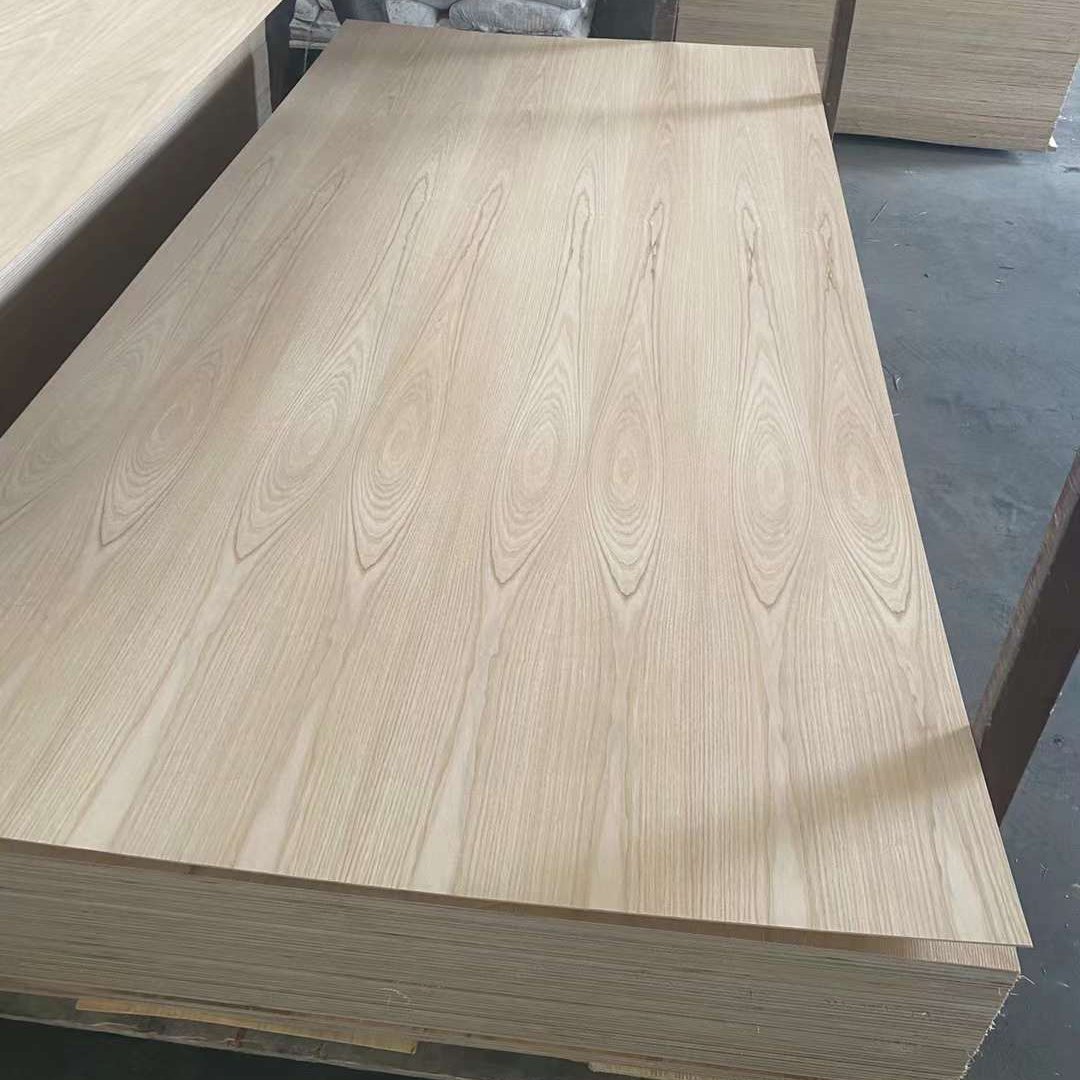
E plywood codes name the emission class of an interior panel, and buyers meet them as E0, E1, and E2 on spec sheets across Europe and Asia. The letter grades how much formaldehyde the sheet releases indoors, which decides whether a panel suits a bedroom, a shop, or a demanding hidden application. This guide explains how the codes compare, where the class matters most, and what to verify before the delivery lands.
The emission class works alongside, not instead of, the strength and moisture properties, so the buying decision stays a blend of both.
The same emission codes appear on MDF, chipboard, and furniture panels, so an interior spec that names E1 once keeps every sheet type in one room at the same air standard. Keeping the class uniform simplifies the compliance paperwork for the whole project.
An emission class labels the bonded panel, not the wood itself. Producers add resin during manufacture, and the cure level plus the glue type determine how much formaldehyde the finished sheet gives off into the room. The code on the stamp states the class the maker claims for that reason.
Consequently, an E-class panel suits indoor work where air quality matters, from fitted furniture to retail displays, while the same sheet in a lower class might still pass structurally but fail the indoor comfort test.
The stamp position matters for the inspection too. Producers print the class on the panel edge or on a labeled batch, and the position changes what a buyer checks on delivery. Edge stamps suit quick counts, while batch labels carry the batch number that ties each sheet back to the certificate.
First, match the class to the room, not to the marketing. A showroom fit-out with long occupancy deserves a stricter class than a ventilated warehouse, even when the sheet thickness and face are identical.
Regional codes add to the picture. Europe, China, and North America each run their own emission systems, from E-classes to CARB and F-star marks, and the tests differ at the edges. A buyer importing panels asks for the certificate that matches the region of use, not the region of manufacture.
The numeric codes mark a rising standard of air friendliness, with E0 the strictest of the common tiers and E2 the least. The exact limit values differ by market and test method, so the code matters less than the test certificate behind it.
In contrast to the strength grade, the emission class applies to every thickness of the same panel, because the resin system stays the same across the range. A 9mm E1 sheet and an 18mm E1 sheet share the same release claim.
| Class | Release level | Typical fit |
|---|---|---|
| E2 | Highest | Industrial, ventilated |
| E1 | Mainstream | Standard interiors |
| E0 | Stricter | Beds, shops, sensitive rooms |
Testing methods also shift the numbers. Chamber tests measure release over a set time, while desiccator tests capture a sample in a closed box, and the two approaches can rank the same panel differently. The class means most when the buyer knows the test method behind the certificate.
Indoor air standards move over time, so specs written a decade ago may lag the current norms. Buyers writing a long-term supply line should check the latest edition of the standard before locking the class, because a certificate that passed last year can fail the current threshold.
Furthermore, the same sheet can carry two labels: a strength code such as C/D and an emission code such as E1. Read both, because they describe separate properties and a sheet can be strong yet low class, or clean-faced yet high release.
The emission class matters most in enclosed, occupied, and warm spaces, because heat raises release and closed rooms trap it. Bedrooms, offices, retail interiors, and fitted kitchens all justify a stricter class than a shed or a garage.
Ventilation changes the practical impact. A panel that passes in a ventilated showroom may still load a sealed bedroom, because no fresh air carries the release away. Designers of tight buildings, from modern homes to cleanrooms, therefore raise the class requirement where the airflow is low.
Temperature compounds the effect. Release rises with heat, so panels inside cabinets above appliances, or in rooms with high solar gain, deserve the stricter class even when the room seems ordinary. Summer months, not the inspection day, set the real exposure for the occupants.
However, many projects use a faced panel as a shortcut to lower release. A decorative overlay bonds over the core and slows the release from the covered side, which makes a faced interior sheet a practical low-expense option.
For finished interior casework, a pre-finished Melamine Plywood sheet pairs a clean face with an overlay, and general-duty Commercial Plywood grades sit at the mainstream emission tier for covered builds.
The class on the stamp is a claim until the certificate confirms it. Buyers with a strict requirement ask for the test report, which names the method, the sample, and the result, before they accept the batch into a sensitive room.
As a result, the delivery check runs in two parts: match the printed class on every sheet edge to the order, and keep the test certificate on file. A mixed batch that carries two classes needs a clear mark on each panel.
Sampling also has a rule of thumb: check the batch mark on several sheets, not just the top of the stack. Layers in the middle of a pallet can carry a different class than the visible face, and a spot check across the pack catches a mixed delivery before it enters the building.
A useful definition: a mill test certificate is the document a producer issues for a production batch, stating the measured release by a recognized method. It is the reference buyers use when a sticker alone is not enough.
A stricter class usually costs more, so the honest buying move is to set the required class by the room, not by habit. A ventilated workshop runs fine on a mainstream class, while a bedroom justifies the stricter tier and its price.
Storage before installation also affects release. Panels kept wrapped and dry release slowly over years, while sheets stored in a hot, damp container can raise their emission alongside their mold risk. Keeping stock dry and ventilated preserves whatever class the certificate promised.
Budget rooms can still go mainstream. A workshop, garage, or ventilated store rarely needs the strictest tier, so the spec can spend on thickness and face there. The class budget concentrates on the occupied rooms, which keeps the total material bill under control.
Additionally, the emission class does not replace the strength and moisture decision. Buy the sheet that meets the release requirement and the structural requirement together, and treat the code as one line of a full specification.
Simplifying the order helps the supplier too. One class across all interior panels cuts their grading, paperwork, and warehouse sorting, which usually converts into a steady price. Clear class lines beat a dozen ad-hoc orders that each need a certificate.
For the structural side of the same order, a plain Commercial Plywood or faced melamine sheet carries the interior performance, and a stricter emission rating settles the classification where needed, as suppliers such as HYY confirm per delivery.
Fast answers to the emission questions that come up on interior quotes.
Yes, E1 is the mainstream interior class used in homes and shops across Europe and Asia. It remains a yes for general furniture, while stricter room requirements justify the E0 tier.
E0 marks a stricter, lower-release tier than E1, chosen for beds, shops, and sensitive enclosed rooms. The exact limit comes from the test certificate, so confirm it with the report.
Sealing the faces and edges slows release measurably, while both the face and the edge need covering. The certificate still governs the class claim, so treat painting as a practical measure, not a reclassification.
No, the emission class covers the resin system, which stays the same across thicknesses of the same product. The strength and moisture behavior change with thickness, but the class claim does not.
A stricter class such as E1 at minimum, and E0 for tightly closed wardrobes in bedrooms. Small enclosed volumes trap release, so the class deserves more weight than in an open room.