Our Location
5th Floor, Huake Center, Lanshan District, Linyi City, Shandong Province, China

5th Floor, Huake Center, Lanshan District, Linyi City, Shandong Province, China
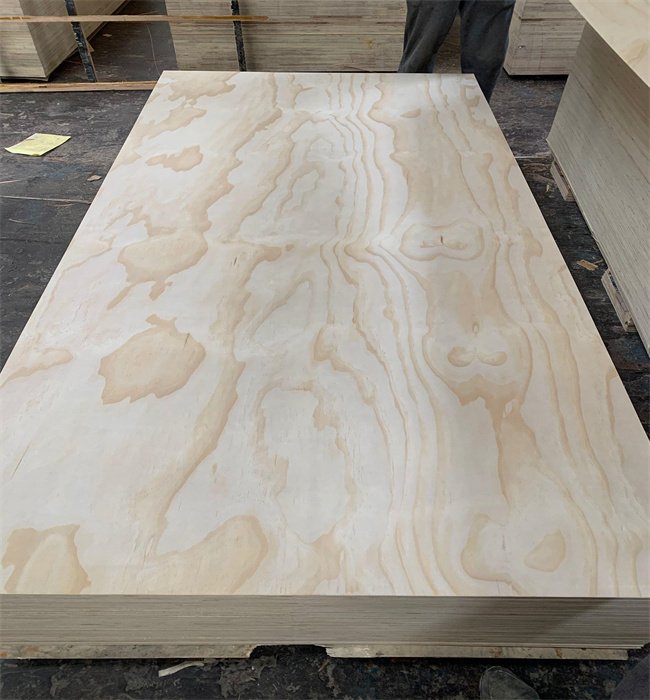
A bracket for plywood is a metal fixing that connects a panel to a frame, a wall, or another sheet, and choosing the right one decides how the joint holds. Brackets carry the load that screws alone cannot, so the size, the screw pattern, and the wood condition all matter. This guide covers the common bracket styles, how they transfer load, and the fixing rules that keep plywood joints stiff.
The same principles apply to a shelf in a cabinet and a structural plate on a wall, because both depend on the bracket carrying its rated load through a sound panel.
Because the bracket sits between the frame and the panel, its spec stays as important as the sheet itself. A strong panel with the wrong bracket still fails at the joint, so these two decisions belong in one line of the drawing.
Plywood work uses a small set of metal brackets, each shaped for a specific joint. Angle brackets join two panels at a right angle, T-brackets stiffen a connection where three members meet, and joist hangers support a bearing end in a frame. Each style transfers load differently, so picking by the joint, not by the looks, prevents the weak point.
First, match the bracket to the intended load path. A shelf that carries weight needs a bracket that supports the underside, while a panel that braces a frame needs a bracket that resists racking. The printed maximum load guides the choice, so read it before the cabinet gets assembled.
Thickness selection follows the same logic. A thin panel under a heavy bracket twists at the corner, so the same angle bracket needs a firmer sheet at 18mm than the identical steel at 9mm. In practice, the bracket catalog lists the minimum panel thickness it assumes, and matching that number prevents a soft corner from loosening over time.
Corner and edge brackets deserve a look before the design locks. Corner brackets strengthen a joint where two panels meet at an inside edge, while edge brackets stiffen a sheet run along a cabinet face. Using the right shape removes the need for extra gussets and keeps the hardware count low.
A bracket transfers its load through the screws into the panel, which means the panel must hold those screws firmly. Plywood does this well because the cross-laminated plies grip fasteners from every direction, but the edge thickness still sets the limit of each fixing.
Consequently, the weakest part of a bracket joint is rarely the steel and almost always the wood around the screw. A screw driven into a soft core or a thin edge strip pulls out at a fraction of the bracket rating, so the panel specification deserves as much attention as the bracket itself.
| Panel thickness | Edge screw | Face screw | Typical duty |
|---|---|---|---|
| 9mm | Light | Light to medium | Cabinets, shelves |
| 12mm | Medium | Medium | Casework, frames |
| 18mm | Heavy | Heavy | Structure, hanging loads |
Shear and pull-out behave differently, which matters for bracket joints. A screw loaded straight out of the panel fails sooner than a screw that slides sideways through the plies, so wall-mounted brackets should load the screws in shear wherever the geometry allows. Tilting the bracket slightly, or adding a second leg, converts pull-out into shear and lifts the safe load.
The bracket also spreads its load over a footprint. A wide plate with four screws distributes stress across more plies than a narrow strip with two, which is why square fixing plates beat slim tabs on heavy plywood doors. The footprint matters as much as the steel thickness when the panel is the weak link.
However, a heavier sheet only helps when the screw reaches it. Pilot holes in the right diameter prevent splitting at the edge, and screws long enough to grip past the bracket thickness fix the connection without a secondary failure.
The screw pattern transfers the bracket load into the panel, and each screw position carries part of that load. Following the bracket hole pattern fully, with the specified screw size and depth, keeps the joint at its rated capacity. Skipping holes concentrates stress on the remaining screws.
Furthermore, the panel edge behaves differently from the face. An edge screw grips the plies from the side, which gives strong but shallow purchase, so brackets on an edge need shorter, fatter screws than a face-mounted bracket.
In contrast, face screws pass through the whole layup and hold more deeply. For a hanging load, prefer the face fit when the design allows it, because deeper screw grip resists pull-out far longer.
Thread choice changes grip in plywood more than in solid wood. Coarse-thread screws suit the softer veneers and pull well, while fine thread can strip in the same thickness. Countersunk heads sit flush for a clean face, and washer heads spread the clamp where the bracket holes run oversize.
Torque also decides the joint. Driving a screw too hard crushes the plywood around the hole and starts a crack that grows under load, while an under-tightened screw lets the bracket rattle loose. A driver set to stall at the right depth, checked by hand on the first joint, keeps every fixing in the same condition.
Outdoor and damp installations add two decisions: the bracket finish and the panel bond. Zinc plating protects steel indoors, while stainless or coated brackets resist rust where moisture arrives, and the panel itself needs the right face and bond for the site.
As a result, a damp shed wall deserves a sealed panel behind the bracket. A film-faced sheet sheds moisture at the surface, while an unsealed softwood panel soaks it up behind the steel and corrodes the fixing from the inside.
Where concrete or standing water sits nearby, Film Faced Plywood keeps the panel serviceable, and stainless fasteners keep the bracket in contact with it. The pair outlasts a galvanized bracket in a wet core by a wide margin.
Corrosion creeps from the screw holes first. Once moisture reaches a carbon steel screw through the pilot hole, rust swells and splits the surrounding plies, so a wet-site bracket should carry matching stainless or coated screws rather than bright zinc. The fastener grade belongs in the same line as the bracket grade on the order.
Brackets and panels sell best as a matched system. A heavy bracket on a thin panel wastes its rating, and a thick panel under a light bracket adds cost without benefit. Sizing both from the same load table avoids either mistake.
For repeat casework, many shops settle on one bracket pattern plus one panel spec. A 12mm face-fixed sheet in a general-purpose Commercial Plywood grade, or a finished interior sheet such as Melamine Plywood, covers most cabinet and shelf joints across the whole run.
Suppliers such as HYY pack panels against a written sheet spec, so the fixing pattern and the panel grade stay consistent from one delivery to the next. That consistency lets the assembly line keep one drill guide and one screw box for months.
Stocking one bracket family cuts the guesswork on the jobsite. A shop that standardizes on one angle size with a printed load table can compute every shelf and cabinet in minutes, and the repeated fixture keeps the drill guide settings constant. The matched panel spec follows the same habit.
Quick answers to the fixing questions that decide most installations.
An angle bracket under the shelf at each support point, sized for the expected load, fixes most cases. Pair it with screws long enough to grip the panel below the bracket thickness.
Yes, with care. Use face screws with pilot holes and keep the load modest; an edge screw in 9mm holds less, so prefer a face fit or a thicker panel for heavy hanging loads.
Screws, almost always. Screws pull out far less in plywood than nails, and they allow disassembly without damaging the panel; nails suit only temporary or non-load fixings.
Drill a pilot hole slightly smaller than the screw core and keep the fixing well back from the panel edge. A quick countersink for the head also stops the surrounding surface from cracking.
For dry covered spots, yes. For wet sites, use stainless or a coated bracket with an exterior-bond sheet, because zinc rusts steadily once the moisture reaches it.