Our Location
5th Floor, Huake Center, Lanshan District, Linyi City, Shandong Province, China

5th Floor, Huake Center, Lanshan District, Linyi City, Shandong Province, China
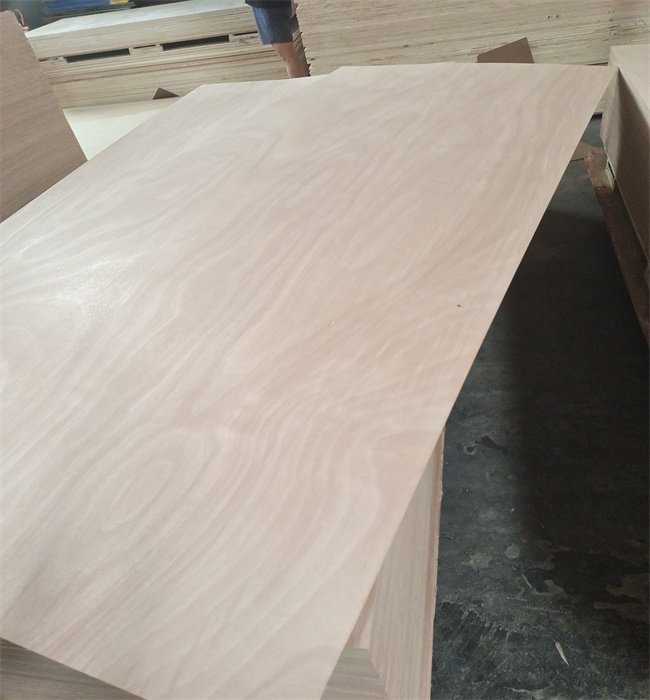
If you order panels for framing, formwork, or cabinetry, 4 x plywood is the full-size sheet that most buyers start from. The 4-foot width, usually paired with an 8-foot length, sets the module for everything that follows: cutting layouts, freight packing, and material takeoffs. This guide explains what the 4 x dimension means on a spec sheet, which grades ship at that size, and how to price a full-size sheet order without surprises.
The 4 x designation refers to panel width in feet. A 4 x plywood sheet nominally measures 4 feet wide and 8 feet long, which converts to about 1220 mm by 2440 mm on the metric side. Mills treat this combination as the standard full sheet, and the naming carries through spec sheets, freight rates, and cutting diagrams.
Buyers run into the 4 x label most often in trade listings and RFQs. In practice the letter x separates width from length, so 4 x 8 means 4-foot by 8-foot. Some suppliers quote 4 x panels in metric equivalents or in resawn sizes, which is why the label alone does not settle the dimension question.
The module matters because everything downstream assumes it. Containers load 4 x 8 ft bundles in standardized patterns, cutting layouts divide the sheet into predictable parts, and freight quotes scale with the footprint. A metric 1220 x 2440 mm panel is the same physical size, so buyers can order either label without changing the sheet.
| Nominal size | Metric equivalent | Common purpose |
|---|---|---|
| 4 x 4 ft | 1220 x 1220 mm | Small panels, shelf work |
| 4 x 8 ft | 1220 x 2440 mm | Full-size standard sheet |
| 4 x 10 ft | 1220 x 3050 mm | Long runs, soffits, trailer floors |
For most construction and cabinet work, the 4 x 8 ft sheet is the reference. Longer 4-foot-wide variants exist for specific spans, but they carry the extra cost described in long-format ordering. Stick with the full-size module until the drawing needs more length.
Panel widths stayed near 4 feet because of press capacity, handling ergonomics, and freight efficiency. A 4-foot-wide sheet still moves through an average doorframe and fits standard container widths when stacked flat. Distributors standardized around it because racks, cutting tables, and delivery trucks share the same footprint.
Standardization cuts real cost. Cutting waste falls when a panel width matches common part dimensions, and stacking becomes predictable across suppliers. Buyers who request specialty widths pay for the exception, not for the material itself.
Nearly every popular grade ships at the 4-foot width, so the choice lands on face and glue rather than on size. Match the grade to the exposure and the finish you want, then confirm the available thicknesses from the supplier.
The list answers most buying questions in one pass. For anything outside these lines, ask the supplier which specialty faces they stock at 4 x, because availability varies more by factory than by country.
Face availability often decides the schedule more than the price does. A decorative face in a non-standard thickness may run only on certain press lines, and a film faced sheet with a particular grain pattern may require a longer production slot. Ask about lead time alongside the price so the delivery date, not the unit cost, sets the final choice.
Commercial plywood in the 4 x format covers sheathing, form backing, and general framing. Sanded faces give a workable surface for paint or film, and the glue class decides whether the panel suits interior or exterior work. Structural buyers usually confirm the bond class before they compare thicknesses.
Film faced plywood adds a phenolic surface that resists concrete paste and repeated stripping, which makes 4 x sheets the mainstay of formwork decks. Melamine panels face the other direction: a clean laminated surface for cabinetry and furniture without extra finishing. Both keep the standard 4-foot width, so cutting layouts stay unchanged.
Interior buyers also value the standard width for yield math. A 4 x sheet divides cleanly into cabinet doors, drawer fronts, and shelving strips, so offcuts stay usable. Confirm the face material available at the width before finalizing the spec, because decorative overlays ship in fewer thicknesses than plain sanded panels.
Thickness selection starts with the load and span, not with habit. Panels at 12 mm handle general sheathing, 18 mm serves structural work and formwork, and 21 mm suits heavy decks. Confirm the glue class alongside the thickness, because the bond, not the face, decides moisture behavior.
| Thickness | Best fit | Watch list |
|---|---|---|
| 9 mm | Packing, light paneling | Low stiffness across spans |
| 12 mm | Sheathing, general framing | Face voids visible on cut edges |
| 18 mm | Formwork, racking, floors | Weight per sheet rises |
| 21 mm | Heavy decks, industrial floors | Confirm glue class for wet use |
The table gives a starting point, not a substitute for an engineer’s figure. Verify the specified grade from the drawing before ordering, and keep one sample sheet to check face continuity and edge construction on arrival.
Exposure rules the face choice. Dry interiors tolerate sanded or decorative faces; wet sites need exterior glue and treated faces; concrete work needs phenolic film. Film faced plywood is the phenolic-coated panel designed for reusable formwork, and it keeps the 4-foot width for standard deck layouts. Choose by exposure first and by price second.
Full-size sheet orders scale cleanly because the module repeats. Start with the takeoff, add a waste allowance, round to the bundle count, and confirm the freight basis in writing.
Following that list keeps surprises at the port to a minimum and gives both sides a clean basis for inspection. Buyers who order ambiguous sizes discover the mismatch when the sheets arrive, not when they committed.
Sheet prices usually drop at container quantities, and multi-sheet pallets cost less per square meter than piece orders. Ask for the trigger quantity that earns the better rate, then verify the price step applies to the grade you need, not just to the base sheet.
Piece orders almost always lose to a pallet or a container, but quantity breaks hide behind the quote structure. A common approach is to map your annual takeoff into pallet counts, split orders across release dates, and hold each release at the same grade so the supplier keeps the price step on every shipment.
4 x 8 ft bundles load flat into standard containers, which keeps freight predictable. Verify the stack height and strap tension on arrival, check edge condition, and keep the paperwork for claims. A five-minute inspection at the gate beats a dispute after the bundle reaches the site.
For concrete formwork that must strip cleanly across repeated pours, Film Faced Plywood in the 4 x format is the practical reference. For sheathing and general framing, Commercial Plywood balances cost and strength across ordinary jobs. Interior work that wants a finished face without extra finishing fits Melamine Plywood.
Buyers who run mixed projects usually want one partner for the full assortment. That is where HYY coordinates commercial, film faced, melamine, chip board, and MDF lines under a single inquiry and shipping schedule.
These are the questions buyers raise most often with full-size sheet orders. Short answers follow, with the detail above in earlier sections.
Yes, for practical purposes. The 4-foot width converts to 1220 mm and the 8-foot length to 2440 mm, so the two labels describe the same physical panel.
Most suppliers stock 9 mm, 12 mm, 18 mm, and 21 mm at the full-size sheet. Verify the exact range with the supplier because stock varies by factory.
Yes. Bundles load flat in standard container widths, which keeps freight predictable when the quantity fills a pallet.
Yes, suppliers offer longer 4-foot-wide panels for soffits and trailer work. Expect a higher price per square meter and confirm the freight basis before ordering.