Our Location
5th Floor, Huake Center, Lanshan District, Linyi City, Shandong Province, China

5th Floor, Huake Center, Lanshan District, Linyi City, Shandong Province, China
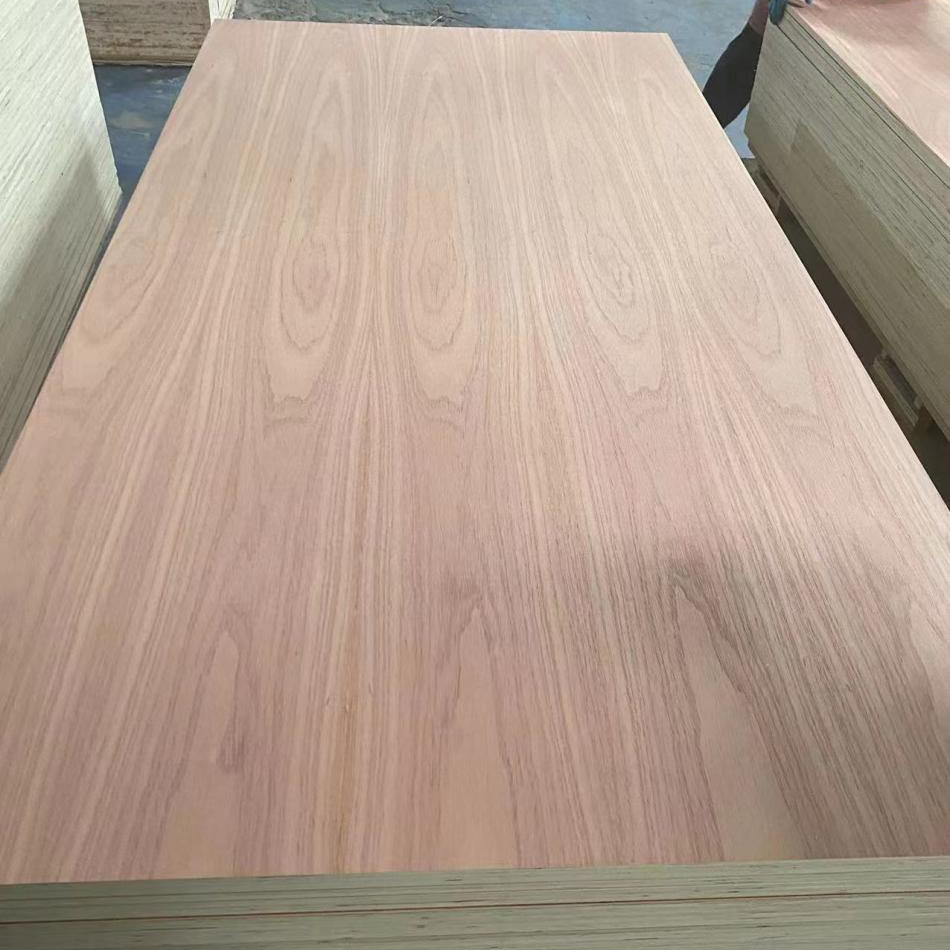
CD plywood is one of the most common utility grades on the market, and the search for c d plywood usually means a buyer who wants an honest explanation of the letters before ordering a sheet. The C names the face and the D names the back, and together they describe a low-cost panel built for covered work where appearance stays secondary. This guide explains the grade, how it compares with CDX and other labels, where it performs well, and when to upgrade.
The grade logic applies to retail sheets and factory imports alike, because the letters mean the same thing in both channels.
A two-letter code on a plywood grade names the quality of the two outer faces. The first letter applies to the visible face and the second letter to the reverse, and D sits at the bottom of the ladder, so a CD sheet pairs a presentable face with a rougher back.
The letters describe appearance, not strength. A CD sheet can carry the same structural capacity as a cleaner grade when the layup and bond match, but the face quality tells you how much repair and filling the visible side needs.
Consequently, the code trades finish quality for price. The pair appears across sheathing, packing, and general utility buys, where the structural duty matters more than the bare wood face.
A C face allows closed knots, small splits, and light repair patches, which makes it suitable for paint and most covered uses. The D back allows open knots, wider gaps, and heavier fill, which suits panels that stay hidden or take a covering layer.
The size ladder for CD mirrors other grades: full 1220 x 2440 mm sheets, half sheets, and cut panels, in the same thicknesses from 4mm to 25mm. The letters do not change the dimensions, only the face finish and the kind of job the sheet fits.
CD plywood sits inside a family of letter codes, and buyers confuse two labels most often: CD and CDX. The X on CDX marks an exterior bond, which changes how the panel behaves in damp conditions even though the face letters stay the same.
| Grade | Faces | Bond | Best use |
|---|---|---|---|
| B/BB | Clean | Interior to exterior | Paint, joinery |
| C/D | Utility | Interior typical | Covered utility work |
| C/D X | Utility | Exterior | Damp covered work |
| Film face | Overlay | Exterior | Formwork, wet sites |
Consequently, the bond rating decides the wet behavior while the letters decide the looks. A CD sheet with interior bond can delaminate in standing water, so buyers who need moisture resistance must read the bond line on the stamp, not just the face letters.
Furthermore, the same letter set can carry different bond ratings from different mills, so the stamp on the edge remains the only reliable source. A generic CD label without a bond line needs a question before it enters the specification. A CD sheet in 9mm or 18mm also carries the same tolerance as any commodity panel, so the nominal number can land a half millimeter below the label.
The grade ladder also explains the price gap: buyers pay for clean faces, exterior bond, and calibrated thickness, not for strength alone. A CD sheet gives the utility core at the lowest price point in the family.
CD plywood earns its place in covered, dry, or low-visibility work where the budget matters more than the face. Builders use it for interior sheathing, shed walls, packing crates, hoarding, and the utility shells behind a finished skin.
However, the grade gives no rating for long spans or heavy wet service. For rafters, joists, or a load-bearing frame, the structural rating of the sheet matters more than the letter code, so check the strength mark before you build.
For a simple covered wall, a CD panel drives cost out of the job without sacrificing the structural duty the sheet carries. The face repairs stay below the skin, and the building performance does not change.
Selection tip: use CD where moisture never sits, use an exterior-bond CD where damp air arrives, and reserve the interior rooms for a smooth face if paint matters. That three-way split covers most surprise failures cheaply.
Packs of CD also find work as cut stock, because a full sheet rips into dozens of shelf blanks, crate sides, or sign blanks at a predictable cost. Keep the cuts on the module and the offcuts reusable.
The letters on the label promise a class of face, but the actual sheet still earns a two-minute check. Edge stamps, face repairs, and moisture tell the same story on a CD panel as they do on any other grade.
Consequently, a rejected CD sheet costs the same as any other reject, so inspect before loading rather than after. For repeat buyers, the written code, the edge stamp, and a sample from each batch keep the quality stable across deliveries.
A CD face hides fewer repairs than a cleaner grade, so painting takes extra fill and sanding. If the panel shows in the finished room, order a B/BB face or switch the utility sheet for a general-purpose Commercial Plywood board instead of living with the patches.
In contrast, the same tolerance for defects makes CD the cheapest way to clad hidden surfaces. The buyer who matches the letters to the visibility of the job spends the minimum and rejects the minimum.
Ask for a sample or a pack sample before a large batch when the order. One edge stamp can confirm the grade, while the sample reveals the actual face repairs and the ply gap at the core.
A bare CD sheet takes paint and sealant well, and the finish extends the panel life when the only alternative is an exposed wood face. Prime both faces, seal every edge, and cap the cut ends before the panel meets the weather.
However, sealing does not transform a utility panel into a structural one. For concrete formwork and repeated wet cycles, the right tool is a sealed construction sheet such as Film Faced Plywood, where the overlay protects the core instead of a coat of paint.
For a clean interior finish on the same budget line, a pre-finished Melamine Plywood sheet replaces the fill-sand-paint cycle on every part. The upgrade removes labor rather than adding cost.
As a result, the buying decision comes down to visibility and moisture: CD for hidden dry structure, film face for wet work, and a smooth or faced panel wherever the sheet will show.
Buying tip for volume: fix one grade and one thickness, then order the sheet by its written code so the quotation matches the delivery. Suppliers such as HYY quote CD and other utility grades by code, so the delivered stack matches the agreed spec. Consistency across the batch matters as much as the letters on the first panel.
Fast answers to the CD grade questions that decide orders.
Only in covered, protected spots with an exterior bond and sealed edges. Standing water or sun-exposed laps will age a CD panel fast, so outbuildings and wet sites should use a film-faced or exterior-rated sheet.
CDX, because the X marks an exterior bond that handles damp air and condensation better than an interior-bond CD. Even then, seal the edges and keep the roof covered on both faces.
Yes. Fill the C face repairs, sand the surface, prime, and top-coat. The painted CD sheet looks acceptable for most indoor projects once the patchwork sits flat.
The D grade applies to the hidden back face and allows open knots, gaps, and heavier defects. It keeps the price low because nobody sees that side in normal service.
For short interior spans, yes. Support shelves under about 600 mm, edge the panel, and the CD sheet carries routine loads. However, the structural rating, not the face letters, governs the safe span.
Like any unbalanced panel, a CD sheet can cup when one face dries faster than the other. Store sheets flat, stack them fully supported, and brace installed panels to keep the board flat in service.