Our Location
5th Floor, Huake Center, Lanshan District, Linyi City, Shandong Province, China

5th Floor, Huake Center, Lanshan District, Linyi City, Shandong Province, China
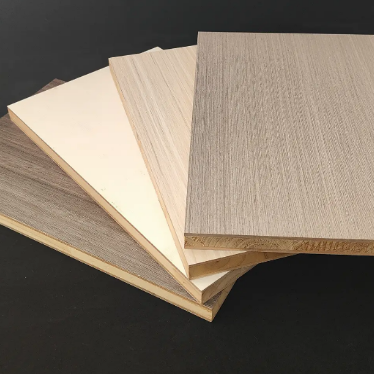
Anyone pricing a job from the shelf starts with b&q plywood sheets because the range covers the everyday sizes that workshops actually cut. The familiar labels hide real differences in thickness, face grade, and panel construction, and those differences change what a sheet will do. This guide compares the common sheet types, explains what the size code means, and maps each panel to the job that suits it.
The same buying logic applies to a single retail sheet and to a container load from a factory. Start below with the three numbers that decide every panel: thickness, width, and face grade.
The everyday plywood sheet range falls into a few practical families, and each one answers a different question. Softwood sheets give cheap general strength, hardwood plywood adds a cleaner face for visible work, and faced panels lock in a finish at the factory so the shop does not have to.
Most interior buyers settle on a small set of thicknesses: 4mm and 6mm for lightweight laminated work, 9mm for shelves and cabinet parts, 12mm for casework, and 18mm where a panel carries load. The 12mm and 18mm sheets do the heavy lifting in kitchen island bases, workbench tops, and structural cores.
Match the family to the environment first. A damp bathroom panel calls for a film faced sheet, while a visible cabinet end in a retail fit-out benefits from a faced board. Choosing by finish alone wastes money, and choosing by price alone creates callbacks.
How the plies differ: softwood plywood uses a fast-growing core with a pronounced grain, while a hardwood face carries a tighter texture that takes paint more evenly. For panels that stay bare or take a clear coat, the face texture decides the finished look, so name it in the specification.
First, list the environment, the load, and the visible face before you open a product page. That short list eliminates most of the range quickly and leaves the two or three sheets that can actually do the job.
Sheet size codes follow the industry module shared by retail and factory stock. The panel that most jobs assume is the 1220 x 2440 mm sheet, and suppliers cut smaller panels and longer strips from that same module to keep waste low.
| Sheet label | Size | Typical use |
|---|---|---|
| Half sheet | 610 x 1220 mm | Shelves, repairs, small parts |
| Full sheet | 1220 x 2440 mm | Standard project panel |
| Long panel | 1220 x 3050 mm | Long runs, soffits, dividers |
| Metric panel | 1250 x 2500 mm | EU spec and export cartons |
Consequently, the width and length on the label matter less than the thickness behind them. Two suppliers can quote the same 1220 x 2440 mm size with completely different load behavior, because the number of plies and the core species make the real difference. In practice, buy the largest sheet the job allows and pare the cutting plan to the module, because 300 mm and 600 mm steps leave a clean register and reusable offcuts.
The nominal size accepts a factory tolerance, so an 18mm sheet can read 17mm or 18.5mm at the caliper. Calibrated sheets, sanded on both sides, tighten that range for joinery work, while unsanded commodity sheets stay wider in tolerance. Ask which one the quote covers before you trust a dado size.
For a cutting plan with fixed grooves or a set rebate depth, specify calibrated sheet thickness up front. The extra cost is small, and it removes the most common fitting complaint on cabinet projects.
The grade letters on a plywood face describe cosmetic quality, not strength. A higher face grade means a cleaner surface with fewer repairs, which matters for paint and lacquer, while a lower grade suits panels that stay hidden or get covered by structure.
In contrast, a faced panel trades the grade question away. A melamine face, a phenolic film, or a factory paint coat arrives pre-fixed, so the visible side looks consistent on every sheet in the order. That predictability explains why production buyers specify faced boards for repeat cabinet and furniture parts.
A two-letter code names the face and the back separately. A B/BB sheet offers a clean face with minor repairs, C/D allows small knots and fills on both sides, and an overlay removes the wood face entirely. The code that fits your project sits between what the client sees and what the budget allows.
However, the cheapest grade is rarely the cheapest installed. A rough face adds sanding time, filler cost, and retouch work that a medium grade removes. Price the finished panel, not the bare board, when you compare quotes.
A sheet aisle sells more than plywood, and the neighboring panels solve some jobs for less money. MDF gives the smoothest painted surface in the shop, chipboard delivers the lowest unit cost for dry furniture, and plywood holds across the widest range of environments.
| Consideration | Plywood sheet | MDF | Chipboard |
|---|---|---|---|
| Moisture behavior | Resistant | Swelling | Swelling |
| Screw holding | Strong | Soft | Weak |
| Paint finish | Grain shows | Smooth | Patchy |
| Best buying case | Damp or rebuilt areas | Painted furniture | Budget wardrobes |
The decision often comes down to one question: will the panel meet moisture or get reworked? If either answer is yes, a plywood sheet earns its extra cost because the board keeps its dimension and takes a screw at the edge. If both answers are no, the cheaper panels do the same job for less.
A useful definition: commercial plywood means a general-duty grade suited to interior framing, shelving, and casework, where the face balances appearance and price. This panel stays the default choice when a project does not demand a special face.
Where concrete or standing water enters the picture, Film Faced Plywood with a sealed surface stays the right sheet, because it sheds moisture and cleans after each pour. That family answers the jobs the three panels above cannot handle.
For repeat parts that also need a smooth finished face, a pre-finished Melamine Plywood sheet removes the paint step from the schedule, while a general-duty Commercial Plywood board handles the parts that stay covered.
The store and the factory sell the same material with different economics. Retail prices cover small volumes, shelf space, and on-demand cutting, while factory pricing rewards quantity and repeatable specifications. Neither route is wrong, but the scale changes the decision.
For a steady project, lock the specification once and repeat it: one thickness, one sheet size, one face grade. That repeat order lets a supplier pack efficiently and keeps every delivery identical, which protects fit, finish, and cost from shipment to shipment.
Suppliers such as HYY focus on plywood and sheet products at factory scale, which suits buyers who order the same panels on a repeat cycle.
As a result, the cheapest per-sheet price is not always the cheapest per project. Add cutting, transport, waste, and rework to the unit price, and the comparison changes. Buy the sheet that finishes the job with the least total cost.
You can also mix the routes: use retail for a prototype and factory for the production run. The prototype confirms the grade and cutting, while the production order sets the price that matters. Many buyers fix the quantity to a packing unit so the delivery lands as one lot rather than a series of small drops.
Quick answers to the sheet questions that change the most purchase decisions.
For most work, builders reach for the 18mm structural sheet and the 12mm cabinet sheet first, then add 9mm for interior parts. The 18mm and 12mm panels cover framing, shelving, and furniture structure in one stock list.
Retail and factory stock share the same module, with 1220 x 2440 mm as the standard full sheet. If a project comes from another market, confirm the size in metric before ordering, because export panels can carry a different naming. When in doubt, request a mill data sheet or measure a physical sample before the cutting plan is set.
Yes, but the face needs preparation. Sand lightly, seal the edges and knots, and use a primer designed for wood before the top coat. Skip the sealer and moisture can telegraph through the grain.
Face the better grade to the outside, trim the other edge flush, then band or fill the cut edge. A clean edge finish reads as quality even when the sheet itself is a lower grade.
Structural plywood carries a stiffness and bond rating for load-bearing frames, while commercial plywood suits general interior duty without the certification. Check the project requirement before you pay for a rating you do not need.