Our Location
5th Floor, Huake Center, Lanshan District, Linyi City, Shandong Province, China

5th Floor, Huake Center, Lanshan District, Linyi City, Shandong Province, China
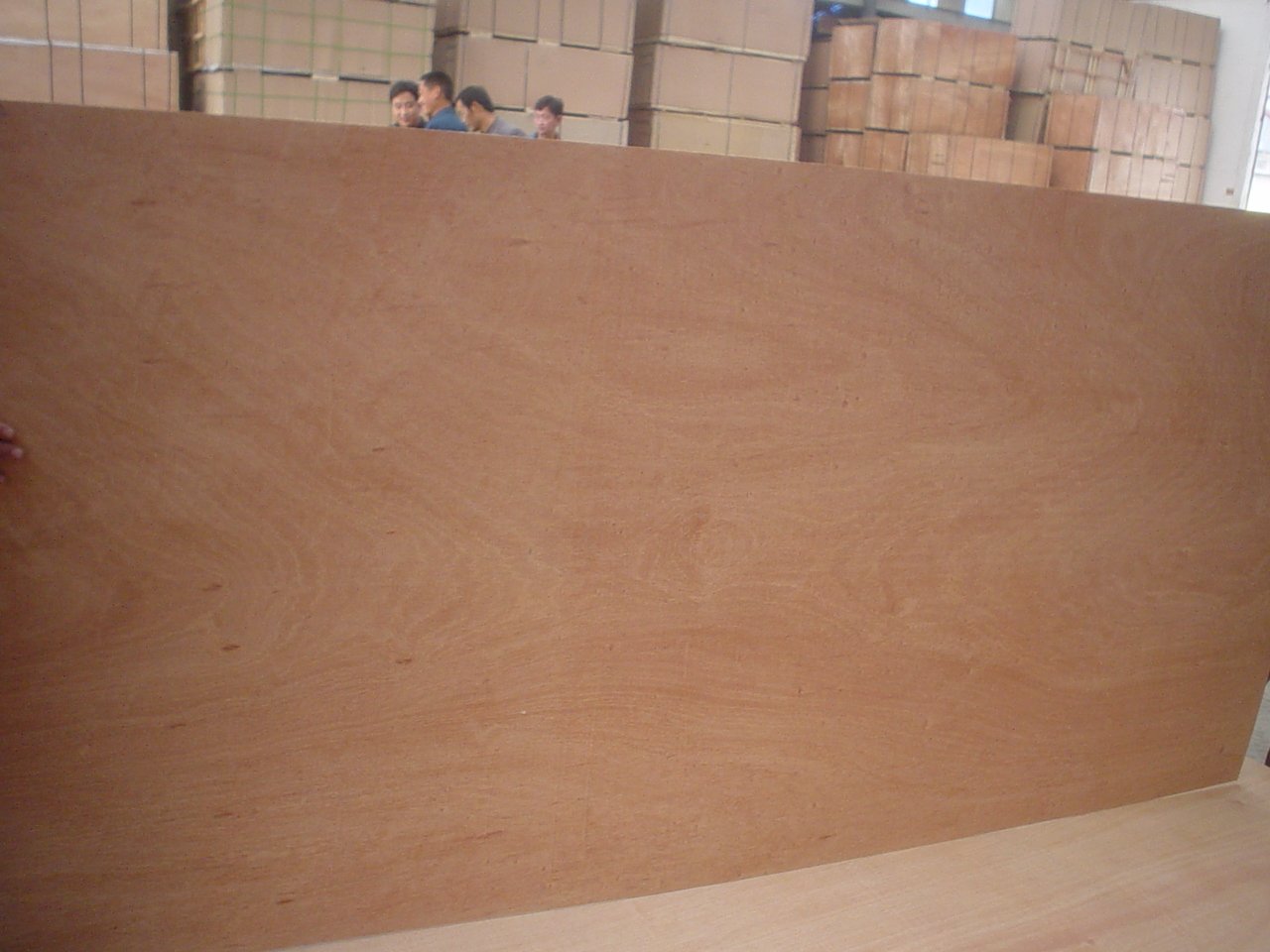
Plywood nearby names a source the buyer can reach in a day, a yard or a trade counter that keeps standard sheets on the floor and moves them out fast. The local lane answers a short lead time and a small order, and it saves the freight a container carries. This guide covers what a local supplier stocks, how it compares with an import, and how a buyer checks the panel before the money moves.
A buyer who searches for plywood nearby wants the sheet on the floor this week, not the one that clears a port in a month. The local source trades the lowest unit rate for speed and access, and the buyer who accepts that trade gets a panel that reaches the job without a wait. That trade suits a repair, a small build, or a run of common gauges.
The local lane gives a buyer a few clear benefits:
Lead time names the gap between the order and the delivery, and the local source drives that gap from weeks to days. A buyer with a stalled crew trades a small premium for a job that keeps moving, and that trade often pays for itself in a single day.
Consequently, the nearby source serves the urgent order and the steady small buy. A buyer who plans a full container does not need it, while a buyer who runs short mid-week leans on it hard, and the skill lies in knowing which order belongs in which lane.
A quick call to the yard also saves the trip. A buyer who confirms the gauge, the size, and the price before the drive picks the right panel and returns with a true order. That one habit turns a nearby source into a short errand rather than a lost afternoon.
An earns the name from a tight, fast-moving list, and the local yard keeps the panels that move every week rather than the whole mill range. A buyer who knows the stock list picks the panel before the trip and saves the call that follows an empty rack.
| Stock line | What it covers |
|---|---|
| Common gauges | 12 mm, 18 mm, and similar |
| Standard size | One or two sheet formats |
| Forming panel | A workhorse exterior sheet |
| Finished face | Interior work with a clean surface |
Next, the stock follows the local demand. A yard near a cabinet trade keeps a finished face, while a yard near a building trade keeps a plain structural sheet. A buyer who reads the list sees what moves and what sits, which sets the price and the availability.
In contrast, a mill order reaches the whole range, from rare gauges to special bonds. A buyer who needs a wide list plans ahead and accepts the wait, while a buyer who needs a common sheet today uses the local rack and skips the delay.
Furthermore, the stock list changes with the season. A yard that runs low on a common gauge calls in a fresh load, and a buyer who checks the stock by phone keeps the trip short. That one call separates a smooth buy from a wasted drive.
As a result, build a running list of what the local rack carries. A buyer who knows the common gauge, the size, and the face on hand picks the panel with reason and keeps the order true to the job.
The local lane and the import lane answer different questions, and a buyer who reads the trade-offs picks the source that fits the moment. The import wins on unit price for a planned volume, while the local source wins on time for a small, urgent buy.
| Factor | Local source | Import supply |
|---|---|---|
| Lead time | Days or same day | Weeks by sea |
| Unit price | Higher | Lowest |
| Order size | Pallet or a few sheets | Container load |
| Range | Common stock only | Full mill list |
Consequently, the price gap reflects the order, not the panel. A local buyer pays a premium per sheet and saves the freight, the duty, and the float that a container carries, while an importer pays a lower rate and accepts a longer wait and a larger commitment. The job size decides the lane.
However, a local source only works when the stock covers the job. A buyer who needs a rare gauge or a special bond finds the rack empty and falls back to the import lane anyway. Check the list before the promise, and confirm the gauge and the bond on hand.
Therefore, run both lanes at once. A buyer who plans the bulk of the work on an import and keeps a local account for the gap holds the unit cost low on the planned volume and still covers the urgent sheet without a panic order.
A quick check at the yard protects the buyer from a weak or thin sheet, and the checks take only a few minutes per batch. The goal is to confirm the panel matches the quote before the money leaves the account and the sheets reach the saw.
Run through a short list:
In contrast, a buyer who skips the check learns about a bad batch at the bench, when the panel fails a cut or a screw and the crew stops. The few minutes at the yard save the hours at the saw, and the buyer who documents the check holds proof against the supplier when a batch drifts.
Furthermore, keep one sample from each batch on file. The sample gives the shop a reference for thickness and face on the next order, and it proves the standard the buyer accepted. When a repeat shipment changes, the sample settles the dispute with a quick comparison.
As a result, the check at the yard turns a local buy into a safe one. A buyer who confirms the panel on the floor before the order keeps the build true and avoids the return that a weak batch forces.
A local source earns trust through a steady record, and a buyer who builds a habit around it keeps a short lead time and a stable price. The habit starts with a clear spec and a supplier who meets it on every run.
For general construction and a workhorse carcass, Commercial Plywood gives a steady core at a fair figure. For interior work that shows the face, Melamine Plywood brings a finished surface that skips the paint line. For a light shelf or a hidden part, Chip Board covers the job at a low cost.
A supplier such as HYY pairs the local lane with a steady spec, so a buyer gets a nearby sheet that matches the planned order on gauge and bond. That pairing keeps the build on schedule and the panel true to the drawing.
Keep the local account active even when a container runs. A buyer who buys a few sheets each week from the yard holds a working relationship that covers the gap between shipments, and the supplier remembers the spec. That relationship keeps the shop supplied without a panic order. A short account like that earns a fairer rate over time, and the yard often pulls a rare item from a hub for a steady buyer.
The questions below come up on the local buy, and each has a short answer.
Speed and access. A local source moves a small order in days and lets you check the panel before the money moves.
Often a little, but the freight, the duty, and the wait drop out, so the total can beat an import on a small order.
Common gauges, standard sizes, a workhorse forming panel, and a finished face. Check the list by phone before the trip.
Yes. Measure the gauge, check the face and core edge, soak a sample for the bond, and match the batch label.
For a planned volume and a wide list. An importer holds the lowest unit rate on a container order.
One habit ties the local buy together. A buyer who checks the stock, confirms the spec, and keeps a sample builds a nearby source that delivers the right panel without a chase. That routine turns a short trip into a reliable supply.