Our Location
5th Floor, Huake Center, Lanshan District, Linyi City, Shandong Province, China

5th Floor, Huake Center, Lanshan District, Linyi City, Shandong Province, China
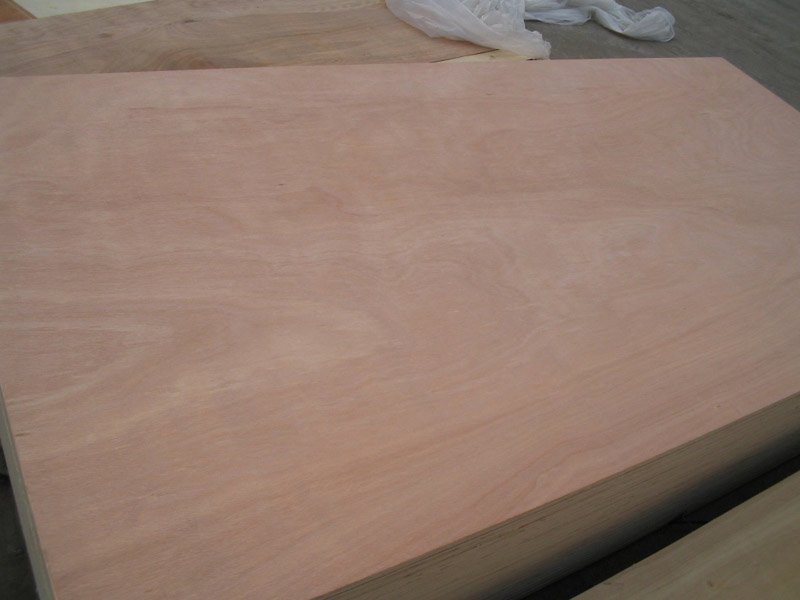
Plywood express names the fast lane of panel supply, where a local warehouse or trade counter ships standard sheets the same day instead of waiting on a mill order. The speed answers a stalled crew and a tight schedule, but it carries its own cost. This guide shows how express supply works, when it beats a container order, and how a buyer keeps the spec intact when the clock runs short.
A plywood express supplier holds stock in a nearby warehouse and moves it out fast, often the same day. The buyer skips the sea freight, the port clearing, and the weeks of lead time that a mill order carries. In return, the buyer picks from the sheets already on the floor rather than from the full mill range.
The model rests on a few simple rules:
Lead time names the gap between the order and the delivery, and express supply drives that gap from weeks to days. A buyer with a stalled job trades a small price premium for a crew that keeps working, and that trade often pays for itself in a single day of saved labor.
Consequently, express supply serves the urgent order. A buyer who plans a full container ahead of time does not need it, while a buyer who runs short mid-project leans on it hard. The skill lies in knowing which order belongs in which lane.
Speed also carries a hidden cost that a buyer should name. A rush order can skip the full quality check and the drawn-out sample test, so the buyer leans on the supplier’s record instead of a fresh inspection. That trust only holds when the supplier earned it across past orders. A buyer who keeps a proven express account takes the speed without the risk, because a trusted supplier holds the spec the buyer already accepted on the last shipment. That record, not the clock, decides whether the fast lane is safe.
The two lanes answer different questions. A mill order wins on price for a large, planned buy, and an express order wins on time for a small, urgent one. A buyer who reads the trade-offs picks the lane that fits the moment instead of forcing one model onto every job.
| Factor | Mill order | Express order |
|---|---|---|
| Lead time | Weeks by sea | Days or same day |
| Unit price | Lowest | Higher |
| Range | Full mill list | Common stock only |
| Order size | Container load | Pallet or a few sheets |
| Best for | Planned volume | Urgent small jobs |
Furthermore, the express lane removes the forecast risk. A buyer who commits to a container guesses the demand months ahead, while an express buyer commits only to the sheets the job needs this week. That lower risk has value, and the premium is the price of the option.
However, express supply only works when the stock list covers the job. A buyer who needs a rare gauge or a special face finds the express rack empty and falls back to the mill lane anyway. Check the stock list before the promise, and confirm the gauge and the bond on hand.
In practice, many buyers run both lanes at once. They plan the bulk of the work on a container and keep a local express account for the gap. That mix holds the unit cost low on the planned volume and still covers the urgent sheet without a panic order.
An express supplier earns the name from a tight, fast-moving stock list. A warehouse that tries to carry every gauge slows its own turns and raises its cost, so the fast lane stocks the panels that move every week and drops the rest.
A typical express list covers a short set:
In contrast, a mill order reaches the whole range, from rare gauges to special bonds. A buyer who needs a wide list plans ahead and accepts the wait, while a buyer who needs a common sheet today uses the express rack and saves the wait.
Therefore, match the order to the list. If the job calls for a standard 18 mm sheet with a workable face, the express lane covers it. If the job calls for a fire-rated or marine-grade panel, plan the mill lane and order early, because the fast rack rarely holds a special.
Next, a buyer builds a running list of what the local rack carries. A short call before the order confirms the stock, the price, and the delivery slot. That call turns a guess into a plan and keeps the crew on the job instead of on the road.
Express supply costs more per sheet, and the buyer should price that premium against the cost of a stalled crew. A day of idle labor and a delayed handover often cost more than the express markup on a small order, so the fast lane can win even when the unit price looks higher.
| Cost | Mill lane | Express lane |
|---|---|---|
| Unit panel price | Base | Base plus premium |
| Freight | Container rate | Local haul |
| Wait cost | Weeks of float | Near zero |
| Risk of overbuy | High | Low |
The premium pays when the schedule is tight and the order is small. A buyer who needs a hundred sheets for a planned build beats the mill lane on price, while a buyer who needs ten sheets tomorrow beats the express lane on time. The job size, not the habit, decides the lane.
Consequently, a buyer scores the two lanes on the total cost, not the unit tag. Add the freight, the float, and the risk of leftover stock, and the fast lane often wins on the small, urgent order. The same math turns the other way on a large, planned buy, where the mill lane holds the low unit cost.
As a result, keep both accounts live. A buyer with a mill supplier and a local express supplier moves between the lanes as the job demands, and the panel arrives on time at the best available rate for that moment.
Speed tempts a buyer to take whatever sits on the rack, and that short cut risks the wrong bond or the wrong face. A buyer who keeps the spec on the phone handles a fast order without a return, because the stock is checked against the need before the truck rolls.
For common construction and carcass work, Commercial Plywood covers the fast order with a steady core. For a forming job that needs a reusable, water-resistant sheet, Film Faced Plywood holds up across many pours and fits an urgent slab. For a lighter internal part, Chip Board ships from stock at a low cost and covers a shelf or a hidden panel.
Furthermore, a good supplier plans the fast order around the spec. When the local rack lacks the exact gauge, the supplier pulls from a regional hub and still beats the mill lead time. That network turns the express promise into a real option for more than the common sheet.
A supplier such as HYY pairs the fast lane with the mill lane, so a buyer can pull an urgent order from stock and plan the next container in the same account. The two lanes share one spec sheet, which keeps the fast order true to the planned one and avoids a mismatch at the bench.
The questions below come up whenever a job runs short, and each has a short answer.
Use it for a small, urgent order that the stock list covers. Plan a large or rare order on the mill lane instead.
It costs a premium per sheet. Weigh that premium against the cost of an idle crew and a delayed job before you decide.
Rarely from the local rack. A good supplier may pull it from a hub, but a special panel usually belongs on a planned order.
Confirm the gauge, the bond, and the face by phone before the truck loads, and match the stock sheet to the job need.
Yes. The mill lane covers planned volume and the express lane covers the gap, so one account rarely serves both.