Our Location
5th Floor, Huake Center, Lanshan District, Linyi City, Shandong Province, China

5th Floor, Huake Center, Lanshan District, Linyi City, Shandong Province, China
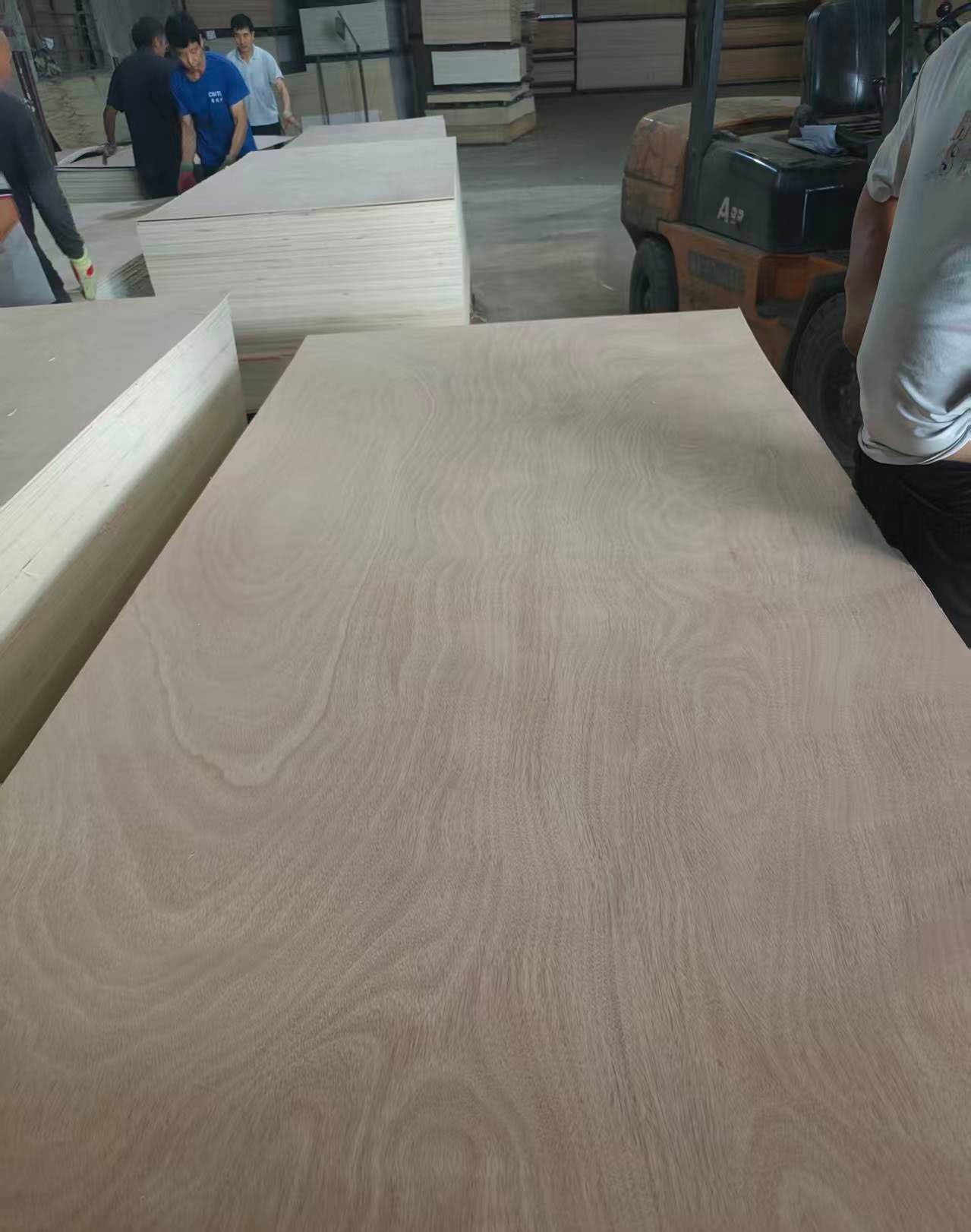
Is 710 grade plywood a thickness, a wood species, or a quality class? The number points to the Indian plywood standard IS 710, and sheets that carry it range from basic moisture-resistant boards to boiling-waterproof marine-class panels. This guide breaks down what the standard covers, what the grade letters mean, and how to verify the stamp before the order leaves the yard.
Buyers who skip the stamp pay twice, because a sheet sold as 710 grade can still fail the job when the glue bond class does not match the exposure. A few checks settle the question in under a minute.
IS 710 is the Indian Standard specification for plywood, and it sets the rules for veneer quality, construction, glue bond, thickness, and testing. The standard does not describe one single sheet. It defines a family of grades, and the bond class printed on the label tells you which member of that family sits in front of you.
The standard splits sheets by bond class first. Moisture Resistant (MR) plywood carries a urea-formaldehyde glue that survives normal indoor humidity. Boiling Water Resistant (BWR) boards add a phenol-formaldehyde glue that handles damp kitchens and bathrooms. Boiling Water Proof (BWP) is the top class, built to survive boiling-water tests and continuous outdoor exposure.
As a result, the same 18mm sheet can cost very different money depending on the bond class, even when the face looks identical from across the room. The face quality, the core construction, and the thickness tolerance all sit inside the same standard family.
Core construction also enters the frame. The thickness of each veneer, the ply count, and the quality of the inner layers change the sheet’s stiffness and screw grip, so two 710 sheets can behave differently under the same load. The label names the class; the edge and the weight evidence the build.
Finally, remember the standard governs the panel itself. The edges, the bond, and the faces carry the requirement, while the finishing and the framing remain the installer’s responsibility, so a compliant sheet still needs a sensible build around it.
The standard also fixes sampling and test methods, so a yard’s lab result carries more weight than a verbal promise. The common confusion is treating the number as a wood species or a thickness, which this universe of grades makes clear it is not.
On a stamped 710 sheet, the label packs the whole reading into one corner: maker name, standard reference, bond class, thickness, and often a face grade code. Read the line left to right and the sheet describes itself in a single glance.
Small mills print compact labels while larger plants add serial marks. The extra marks complicate forgery, yet the same reading discipline applies to both, because a clean print and a genuine stamp remain separate facts until the test confirms both.
The bond class appears as a short code, commonly MR, BWR, or BWP. A face code such as TG means a smooth, ready-to-finish surface, while S means a sanded surface suited to staining or laminating. The pairing tells the installer which side faces the room.
Next, the thickness and size confirm the sheet dimensions. A 12mm sheet measures 12mm at the nominal point, yet the edge can run thin where the core veneers stop short of the face. The stamp cannot fix a thin edge; only the micrometer check catches it.
Furthermore, the standard reference and the test mark let a buyer trace the sheet to a batch. A stamp without a test reference deserves the same distrust as a sheet handed over without paperwork, because nothing ties the label to a tested lot.
Keep the label readable as well. A stamp pressed too deep or printed on a rough veneer loses its legibility after the first sanding pass, so check the mark on the delivered sheet rather than on the sample photo the seller shows.
The bond class drives the price ladder more than any other single factor, because the glue decides where the sheet can serve. The table below shows the three common classes and their practical limits.
| Bond class | Glue type | Typical use | Price band |
|---|---|---|---|
| MR | Urea-formaldehyde | Indoor furniture, panels, light dry use | Entry grade |
| BWR | Phenol-formaldehyde | Kitchens, bathrooms, humid interiors | Mid grade |
| BWP | Waterproof phenol | Outdoor boards, formwork, exposed panels | Premium grade |
As a result, a furniture contract can spend MR-grade money on every internal panel and reserve BWP for the wet areas. The honest buyer matches the class to the moisture exposure rather than to the cheapest quote.
Import buyers meet the same ladder under different names, yet the moisture principle stays identical. The local 710 class and an export BWP class both answer the question of where water can sleep beside the wood, so the class question travels across every border.
A kitchen carcass built entirely from MR boards risks swelling long before the warranty matures. The saving at purchase time becomes a replacement cost at failure time, which is the arithmetic every buyer should run before signing.
The stamp is a claim; the physical checks prove it. Five quick tests separate a genuine 710 sheet from an exaggerated label, and a contractor can run all of them at the receiving dock.
Run the micrometer on four sheets, not one. A single lucky panel can hide a lot that runs thin, while four corners across a stack expose the mill’s tolerance within minutes and prevent a joinery surprise later.
The boil test decides the BWP claim. A sample that survives the test without separating supports the bond class printed on the label, while a sheet whose layers open under heat fails the claim on the spot.
Furthermore, weigh every sheet in the stack. An 18mm, 8-by-4 commercial board runs far heavier than a lightweight core imitation, and consistent weight across the stack signals a consistent core rather than a lucky first sheet.
Confusion around 710 grade costs buyers real money, and the market repeats the same mix-ups. The most common one treats 710 as a thickness or as a premium guarantee on its own, when the standard number alone promises neither.
Is 710 grade plywood waterproof? Only the bond class decides that. A 710 MR sheet fails the boil test while a 710 BWP sheet passes it, so the question needs the second word before it gets an answer.
Does 710 mean marine plywood? No. Marine plywood follows its own specification and testing regime, while 710 defines the general plywood family. A buyer who needs true marine performance should ask for a marine-grade certificate, not a 710 stamp alone.
Does 710 fix the thickness? No. Available sizes still run from thin decorative panels to thick structural boards, and the thickness band matters more than the number.
Do 710 sheets need a moisture barrier anyway? In wet zones, yes. Even a BWP panel benefits from sealed edges and ventilated fixing, because the standard sets the panel’s own resistance rather than the site’s care around the panel.
The takeaway is simple: 710 tells you the sheet meets an Indian Standard, and everything else depends on the letters around the number. A confirmed stamp plus a passing boil test buys more confidence than a slogan ever will.
For project contracts, the grade claim must travel with the delivery. Ask the supplier to mark the bond class, thickness, and standard reference on the invoice, and keep a sample from the first box for comparison with later lots.
Volume buyers should request the mill test certificate and a small pre-order sample. The sample confirms the face color, the edge construction, the thickness tolerance, and the weight before a full container leaves the port.
Finally, track the delivery against the certificate. The months that matter are the first service months, and keeping the sample beside the order makes a later claim easy to prove rather than expensive to dispute.
When the local offer fails the checks, an import line gives a documented alternative. A buyer comparing a 710 MR sheet against Commercial Plywood from an export mill gets a clearer spec sheet, and kitchens that need a smooth finish read Melamine Plywood against the same checklist.
Outdoor boards and formwork faces compare naturally against Film Faced Plywood, where the coated surface replaces the finishing step altogether.
For a documented panel range, the import supplier chain such as HYY supplies sheets with the standard reference printed on the delivery documents, so the grade claim survives the trip.
A 710 stamp saves time when it matches the bond class, the face, and the millimeters in the spec. Without those matches, the number alone stays just a number.