Our Location
5th Floor, Huake Center, Lanshan District, Linyi City, Shandong Province, China

5th Floor, Huake Center, Lanshan District, Linyi City, Shandong Province, China
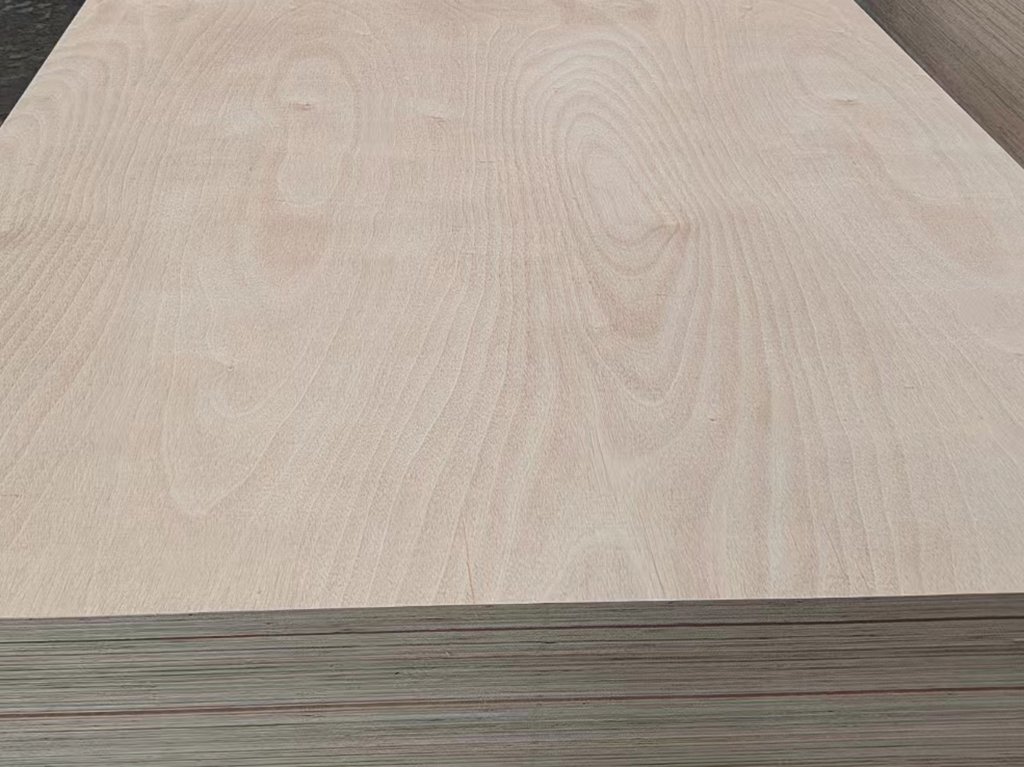
Comp plywood is a buyer’s shorthand for composite panels, the family of engineered sheets that carry a wood-based core behind a smooth face. The term covers plywood itself, MDF, chipboard, and faced panels, and each member suits a different job and budget. This guide explains what the family shares, where the members differ, and how to pick the right sheet without paying for the wrong density.
The deciding details are moisture behavior, screw holding, and the visible face, which change more between members than between brands.
The comp family also shares one buying rule: the core and the face never tell opposite stories. A smooth surface can hide a cheap substrate, and a plain sheet can carry a strong build, so the buyer reads both lines of the spec before ordering.
The composite panel family shares one trait: a manufactured core engineered for flatness and consistency, covered by a controlled face. Producers build the core from veneers, fibers, or particles, then bind it under heat and pressure into a sheet that never grows or shrinks like solid lumber.
Consequently, buyers use the comp label when they need a predictable flat panel with a defined thickness, which suits furniture, shelving, and interior fit-out where solid wood stays too expensive or too unstable.
Part of the confusion comes from how the word travels. Some buyers use comp for any sheet with a glued core, others mean a specific melamine-faced panel, and a third group uses it for plywood alone. Naming the board on the order removes the ambiguity, because one term covers four different behaviors.
First, name the job before you name the sheet. Each member trades strength, moisture resistance, face quality, and price differently, so the right choice follows the environment and the finish requirement.
The manufacturing process explains the family’s consistency. Raw material, whether veneer, fiber, or particle, dries, gets sized, glued, and pressed under controlled heat, which removes the knots and wander that solid lumber brings. That control is the entire reason interior buyers choose composite panels.
Side by side, the three mainstream members divide the interior market cleanly. Plywood wins on strength and wet tolerance, MDF wins on painted smoothness, and chipboard wins on cost for dry furniture, and the overlap decides most purchases.
| Sheet | Moisture | Screw hold | Paint face | Best buy |
|---|---|---|---|---|
| Plywood | Good | Strong | Grain shows | Damp, structural, rebuilds |
| MDF | Poor | Soft | Smooth | Painted furniture |
| Chipboard | Poor | Weak | Patchy | Budget dry shelving |
In contrast, the face finish steers the pick as often as the price. A painted door wants the smooth MDF edge, while a cabinet that sees steam and spills wants plywood’s moisture margin. Matching the sheet to the room beats matching it to the sticker.
Density data adds to the compare. Plywood and MDF sit at the heavier end of the range and carry their load well, while chipboard stays light and cheap. The weight shows up in freight, in hinges, and in how the panel feels on site, so the truck cost often changes the winner between two equal panels.
Edge behavior separates the members again. MDF cuts clean but crumbles at thin edges, chipboard fuzzes where saws dull, and plywood holds an edge through most cuts. Router work, dados, and hinge rebates all reward the plywood edge, which is why cabinet shops keep returning to it for structural parts.
However, an engineered part with screws, hinges, and repeated load favors plywood. Its edges accept fixings without crushing, which keeps hinges and shelf brackets tight for the life of the furniture.
A faced composite adds a finished surface to the chosen core, removing the shop painting step. Melamine faces, veneer panels, and phenolic films each lock a finish at the factory, which suits fast interior fits where onsite finishing costs time.
Furthermore, the face changes how the sheet behaves. A melamine surface resists heat and light cleaning and stays constant across every part, while a raw wood face needs sealing and paint before it matches that performance.
Melamine faces also wear differently. A melamine overlay resists heat, scratches, and light cleaning, while laminate films handle heavier domestic wear and printed veneers deliver a natural look. The face choice affects daily service, not just the first appearance, which is why production buyers fix one face per product line.
Where construction meets moisture, a sealed construction sheet such as Film Faced Plywood uses a phenolic overlay on a strong core, which carries both a finish and the wet-duty bond that MDF and chipboard lack.
As a result, the faced member suits production buyers who want consistency without a finishing line, and the bare member suits shops that finish their own panels.
The film face also changes maintenance. Phenolic and melamine surfaces wipe down clean and resist stains, while bare wood needs sealing and regular care. In kitchens, retail, and healthcare, the faced member carries a service advantage that offsets its price within the first year.
The composite choice narrows to three questions: will the sheet meet moisture, does it take repeated fixings, and does the face show? Answer them in order and the right member appears without a long compare.
For wet or reworked areas, choose plywood. For a seamless painted surface, choose MDF. For dry budget furniture, chipboard carries the cost, while a faced sheet such as Melamine Plywood handles repeat cabinetry with a factory finish.
Fire and load performance belong in the same check. Doors and escape corridors require a fire-rated core, while heavy fixtures need a sheet with enough density to hold anchors. Adding those two lines avoids a panel that looks right but fails an inspection mid-build.
For the majority of interior fit-outs, one or two members cover the whole project. A plywood family handles structure and moisture, a faced sheet covers repeatable finishes, and the budget member fills the hidden areas. Specifying all three from the same family keeps the colors, tolerances, and lead times consistent.
However, none of the members acts like structural lumber. Composite sheets span short distances, and long unsupported runs need framing or an engineered rating, so keep the layout honest about load.
Composite buy decisions improve when the specification names thickness, core, and face separately. A written line such as 18mm plywood core with a melamine face removes the ambiguity that a generic panel name leaves behind.
For dry interiors with a fixed finish, a trimmed panel such as a MDF Board sheet or a budget Chip Board sheet keeps the cost flat, while plywood-family members handle the wetter edges of the same project.
Suppliers such as HYY quote composite sheets against a written core and face spec, which suits buyers who mix plywood, MDF, and chipboard in one project without mixing up the qualities.
Cutting and waste also change the economics. A 2440mm sheet yields different panel counts than a 1220mm sheet for the same job, and a specification that names stock sizes cuts the edge waste and the shop time. Buyers who plan the cut list before the order rarely over-buy composite sheets.
Finally, ask about machining service at purchase. Many composite suppliers cut, edge-band, and laminate to size, which turns a sheet order into ready-to-build parts. Freight on finished parts costs less than freight on whole sheets, and the worked edges save a full workshop pass.
Direct answers to the sheet comparisons that come up on most quotes.
Not exactly. Comp works as a family label that includes plywood, MDF, and chipboard, so always confirm the core before ordering, because the members differ in moisture, strength, and price.
Plywood with a sealed face handles moisture best of the mainstream members. MDF and chipboard swell quickly in damp air, so budget sheets belong in dry rooms only.
Plywood carries a stronger, moisture-tolerant veneer core and supports repeated fixings, while chipboard uses cheap particles. The price gap matches the difference in strength and service life.
Yes, with preparation. MDF paints smoothest after priming, plywood needs sealing and grain filling, and chipboard needs edge treatment before the coat. A faced sheet skips the paint step entirely.
Plywood edges hold shelf brackets best, while MDF paints to a smooth finish over short spans. Use chipboard only for dry, light shelves, and brace any span beyond about 600 mm.